
Blogs from the Field
A healthy future for wildlife, people, and planet.
December 04, 2024
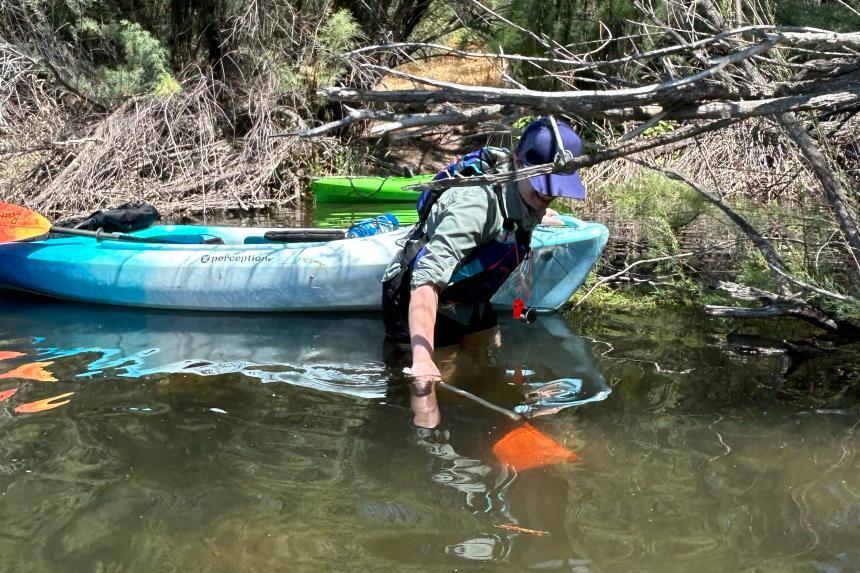
Government isn’t the first place that most veterinary students would think of charting a career path, even those of us interested in wildlife. However, as I learned this past summer, government work can offer just as rich and diverse an experience as any zoo....
September 12, 2024
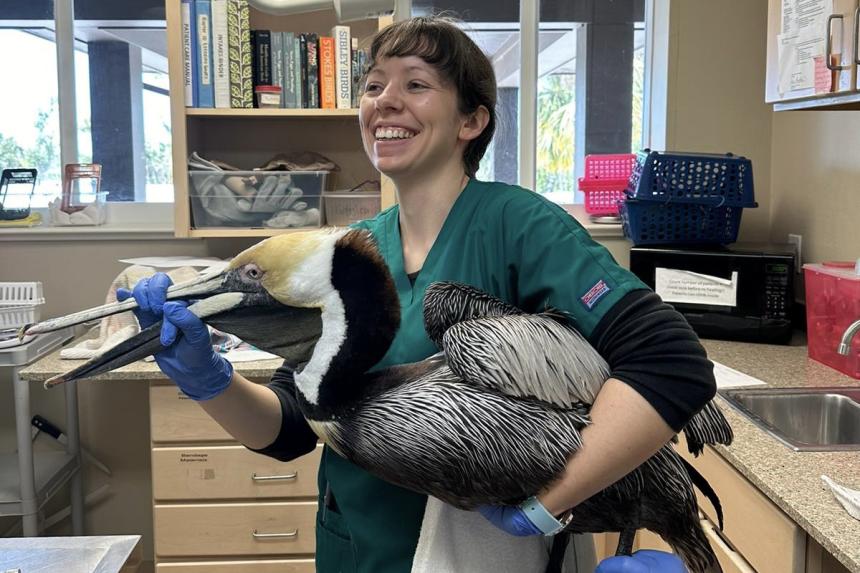
I have always been passionate about wildlife conservation and have been pursuing that career path throughout my veterinary studies. I have used most of my school breaks to go abroad and gain clinical experiences working with a variety of endangered species (notably in South Africa, Costa Rica and my most recent trip to Namibia)....
August 23, 2024
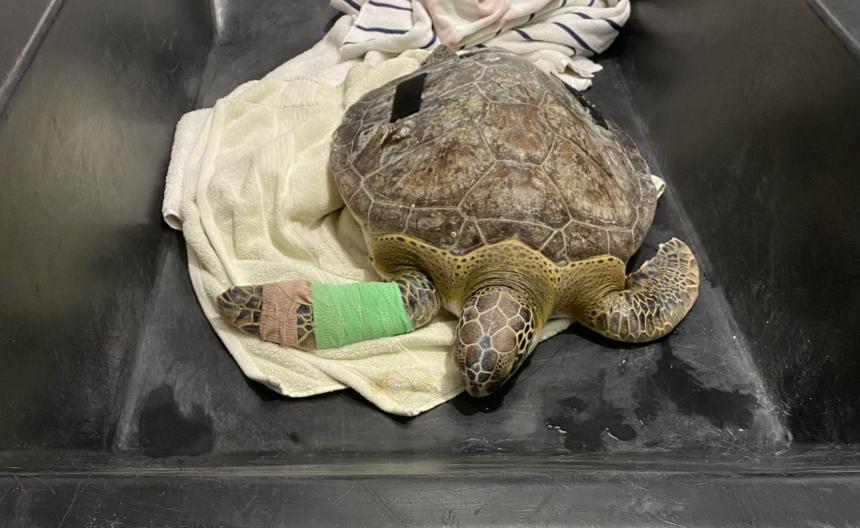
I grab a pair of gloves from the hospital and walk out into the tank area. I am not sure why I put gloves on - 90% of the time they get soaked anyway. As I approach the tank, the other veterinary extern heads into the storage area to grab a net. Turns out there is no need....

July 26, 2024
In October 2023, I had the opportunity to travel to Tasmania, the island state of Australia, to learn more about one of its most iconic species, the Tasmanian devil. Tasmanian devils are the world’s largest carnivorous marsupials, and they play a key ecological role as scavengers and in suppressing populations of invasive species....
April 11, 2024
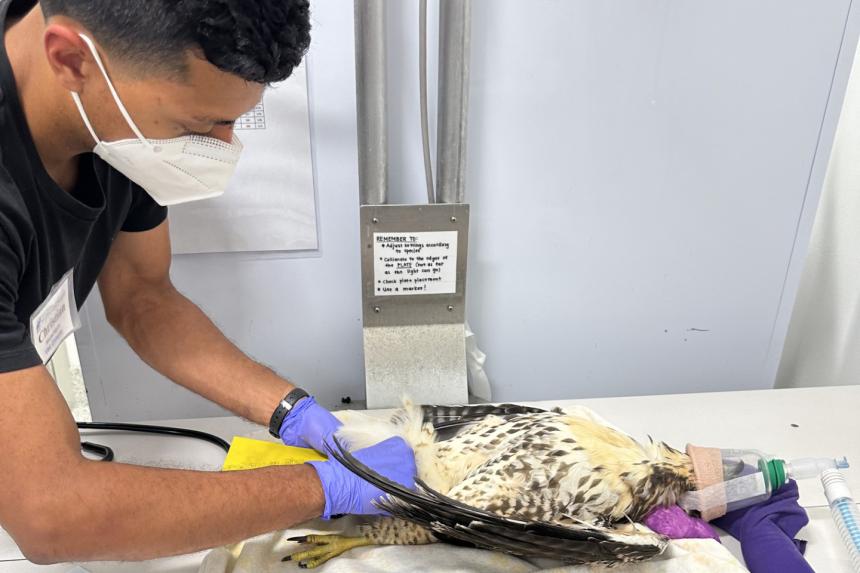
Santa Barbara is widely regarded as one of the most breathtaking coastal cities within the state of California. Home to perfect weather, beautiful beaches, five-star restaurants, and lively bars, it’s pretty safe to assume that I had a “wild” time and partied it up in this amazing city during the ten weeks I spent living there. Well, not exactly. Instead, I had a “wild” time treating wildlife at the Santa Barbara Wildlife Care Network (SBWCN) as a veterinary extern....
February 09, 2024
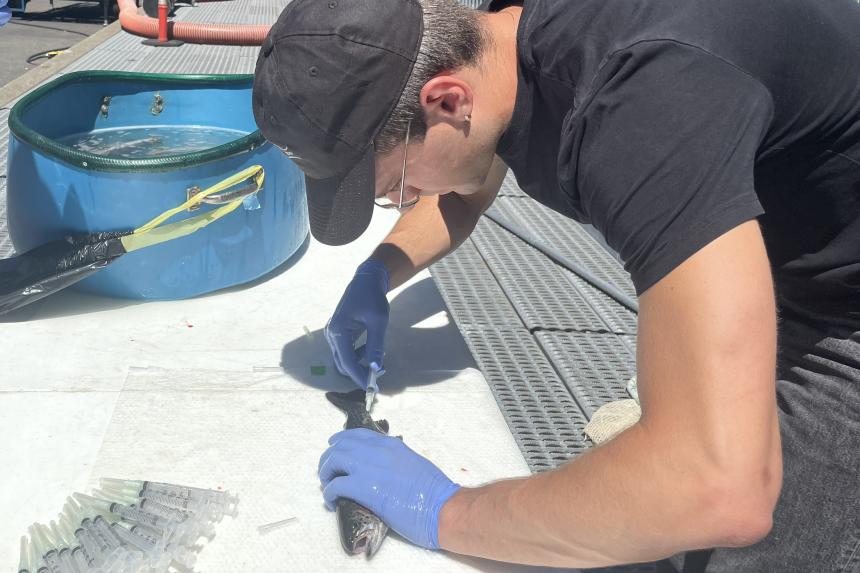
This summer, I embarked on an unforgettable journey into the heart of aquatic veterinary medicine with Dr. Tim Miller-Morgan at the Hatfield Marine Science Center (HMSC) in Newport, Oregon. The center is Oregon State University’s coastal campus, also serving as a marine science laboratory and an oceanographic research base for six state and federal agencies....
January 03, 2024
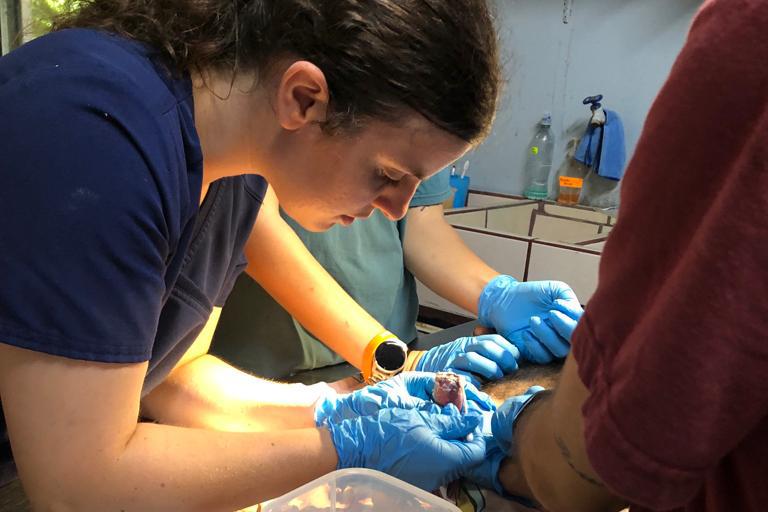
My heart hammers in my chest as I unlock the door to the enclosure, my eyes hunting through the mesh to find the animal inside. It’s not just the heat making my palms sweaty as I open the door and duck inside; it’s not just the exercise making me short of breath. Of all the animals in the clinic, this is the one that terrifies me the most: the one-armed, two-toed sloth named Ace....
December 20, 2023
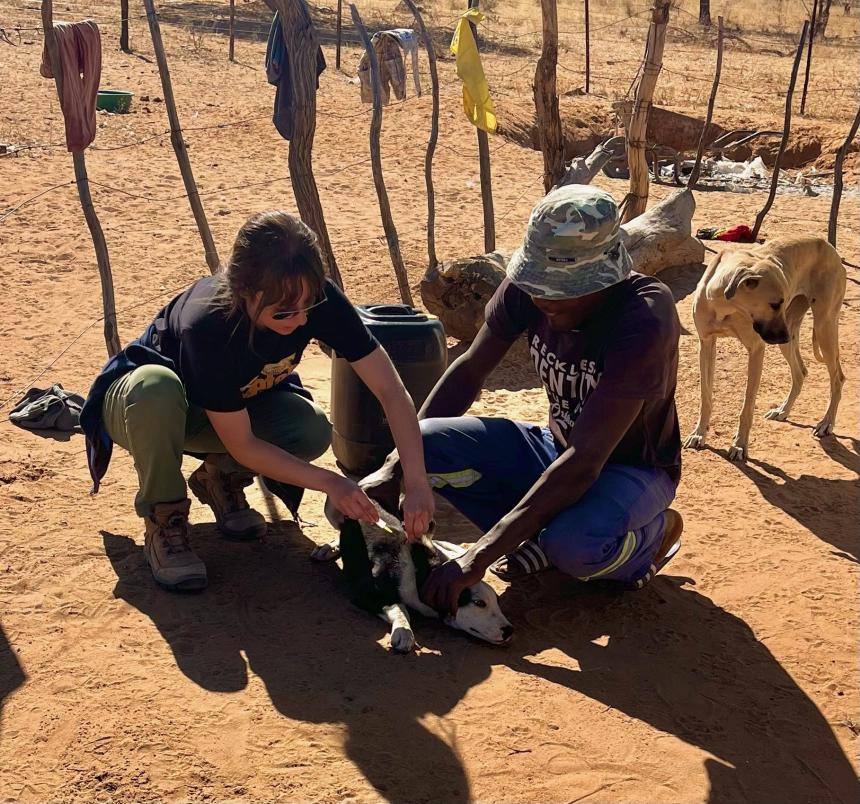
On an early Saturday morning in late September 2021, I was half-awake when I logged in to attend the virtual Veterinary One Health Association Symposium. The first presenter was Dr. Laurie Marker, who I then learned was the Founder and Executive Director of the Cheetah Conservation Fund (CCF)....

November 21, 2023
Did you know that the second most common cause of injured sloths coming into rescue centers is electrocution? If not, you are in the majority. There is little to no literature about sloth electrocution in the academic world, even though it is such a pervasive problem.
November 08, 2023
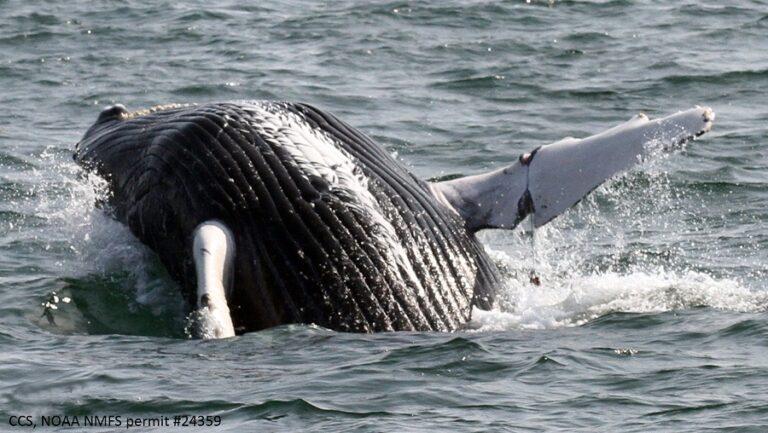
For my last summer before clinical rotations, I wanted to gain experience with marine animals. I was accepted as an intern with the International Fund for Animal Welfare (IFAW) Marine Mammal Rescue & Research (MMRR) program in Cape Cod, Massachusetts, a unique geographical area where tides and coastlines can suddenly trap a dolphin or whale in inches of water....