
Charting a Career Path in Zoological and Wildlife Medicine
By Sylvia Kimmel, DVM ‘26
Since the start of my veterinary education at the Cornell University College of Veterinary Medicine, I knew I wanted to work with unique species. I made sure to take advantage of every opportunity available to me: I worked with sloths in Costa Rica through Cornell’s Expanding Horizons Program, I joined an Engaged Cornell team at the Jane Goodall Institute in the Republic of Congo, and I worked alongside top experts as a student technician with the Exotics Service at Cornell’s Companion Animal Hospital during my first three years. When the time came to find externships for my clinical year, I knew I wanted to complete at least one at a zoo, preferably one ranked highly for its research and conservation efforts.
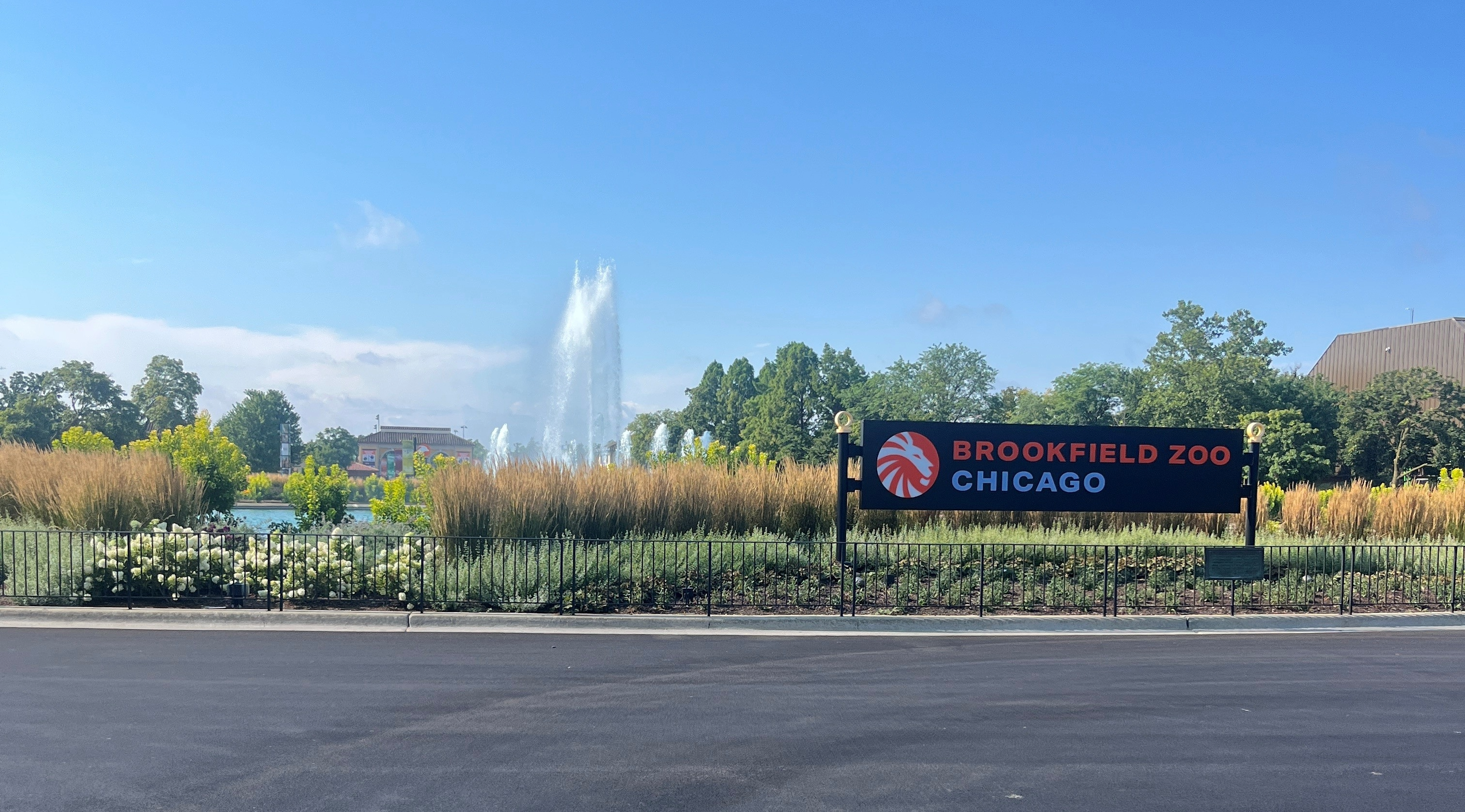
This path is what led me to my veterinary preceptorship at Brookfield Zoo Chicago, a 235-acre zoological park founded in 1934. Brookfield Zoo Chicago is North America’s first modern, bar-less zoo, and is home to over 3,500 animals representing over 500 species—including many of Earth’s most endangered. Thanks to the Cornell K. Lisa Yang Center for Wildlife Health Student Support Fund, I was able to spend four weeks in the suburbs of Chicago working with a wide range of species and learning what being a “zoo vet” truly entails.
Stepping into the shoes of a zoo veterinarian
I learned quickly that zoological veterinarians wear many hats. In addition to typical clinical work, all eight staff veterinarians at Brookfield Zoo Chicago have numerous research, education, and conservation projects. As a preceptor, my primary role was to shadow and assist with daily clinical work, gaining as much hands-on experience as possible. Like a typical small animal general practice, the zoo has full days of appointments for animals that require attention for various reasons, including illness, injury, or routine preventive exams. While many of the appointments for smaller animals took place in the hospital, we also traveled around the sizable park to visit larger animals in their habitats. Some notable experiences for me included performing a CT scan on a dolphin, trimming a giraffe's hooves, and safely immobilizing a rhino.
My most memorable experience
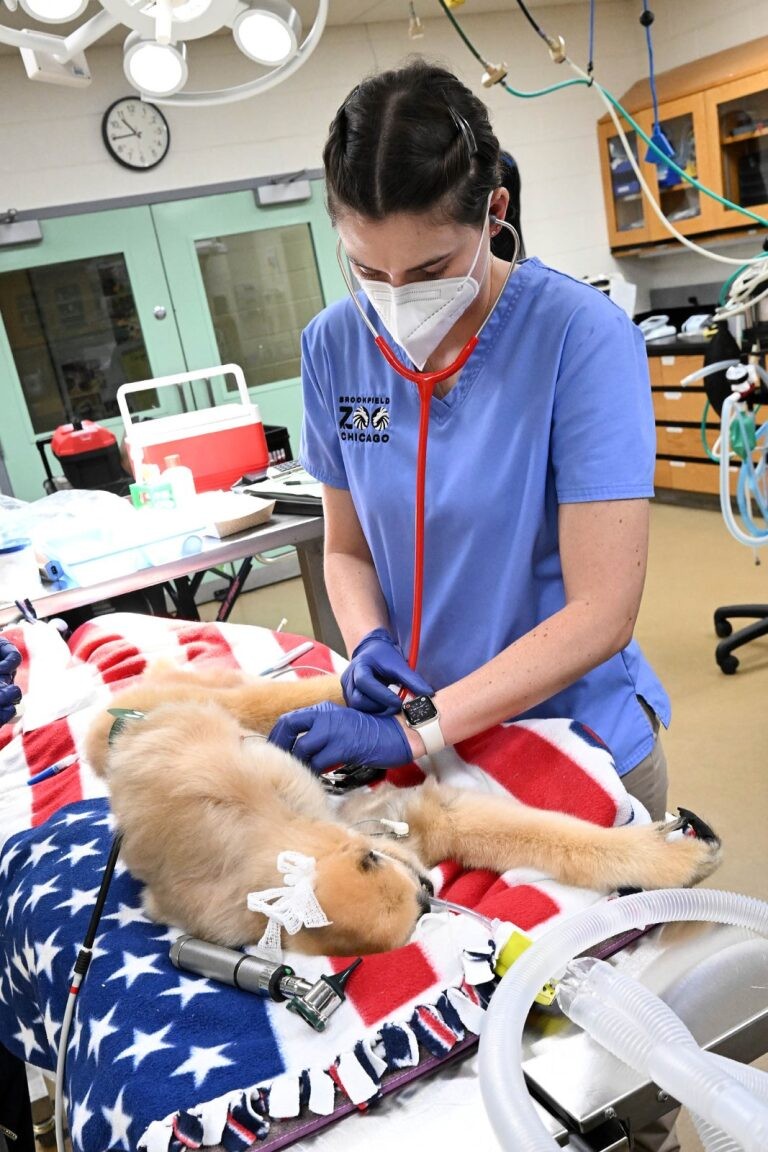
Although every day at the zoo was noteworthy, my most memorable experience was working with River, a clouded leopard. While River was scheduled for a preventive medicine check-up, I learned that we were also contributing to something much more impactful. Dr. Lily Parkinson, one of the clinical veterinarians at Brookfield Zoo Chicago and the primary doctor on the case, also spearheaded a project to create a blood bank for zoo animals. During the COVID-19 pandemic, numerous snow leopards were falling ill due to the emerging virus. The treatment of choice for a snow leopard infected with coronavirus is a blood transfusion, but obtaining this blood was, and still is, much more complicated than it seems in theory, since blood banks for leopards do not exist. In addition, little is known about blood type compatibility in exotic species. The pandemic is a good example of why Dr. Parkinson decided to start collecting and freezing blood samples from various species, a practice used for years in human medicine but far from routine in zoological or wildlife medicine.
Reflecting on the impact of my time at Brookfield Zoo Chicago
I could not be happier or more satisfied with my experience at Brookfield Zoo Chicago. This opportunity allowed me to really step into the role of a zoo veterinarian for a month. I learned so much not just from the veterinarians and veterinary technicians, but also from working alongside the knowledgeable and passionate animal care staff, an experience which differed in many ways from the typical client-provider relationship I had become accustomed to in private practice. On a more tactical level, I was able to hone my clinical skills, including monitoring anesthesia, drawing blood, taking samples, and administering treatments to a wide range of species, many of which I had never previously worked with, such as clouded leopards, ball pythons, Humboldt penguins, and bottlenose dolphins. Most importantly, I furthered my passion for working with wildlife, and I’m even more determined to pursue a career that includes non-domestic animals in some capacity. Seeing conservation work in action is never something I take for granted, and I want to thank the Cornell K. Lisa Yang Center for Wildlife Health for this opportunity.
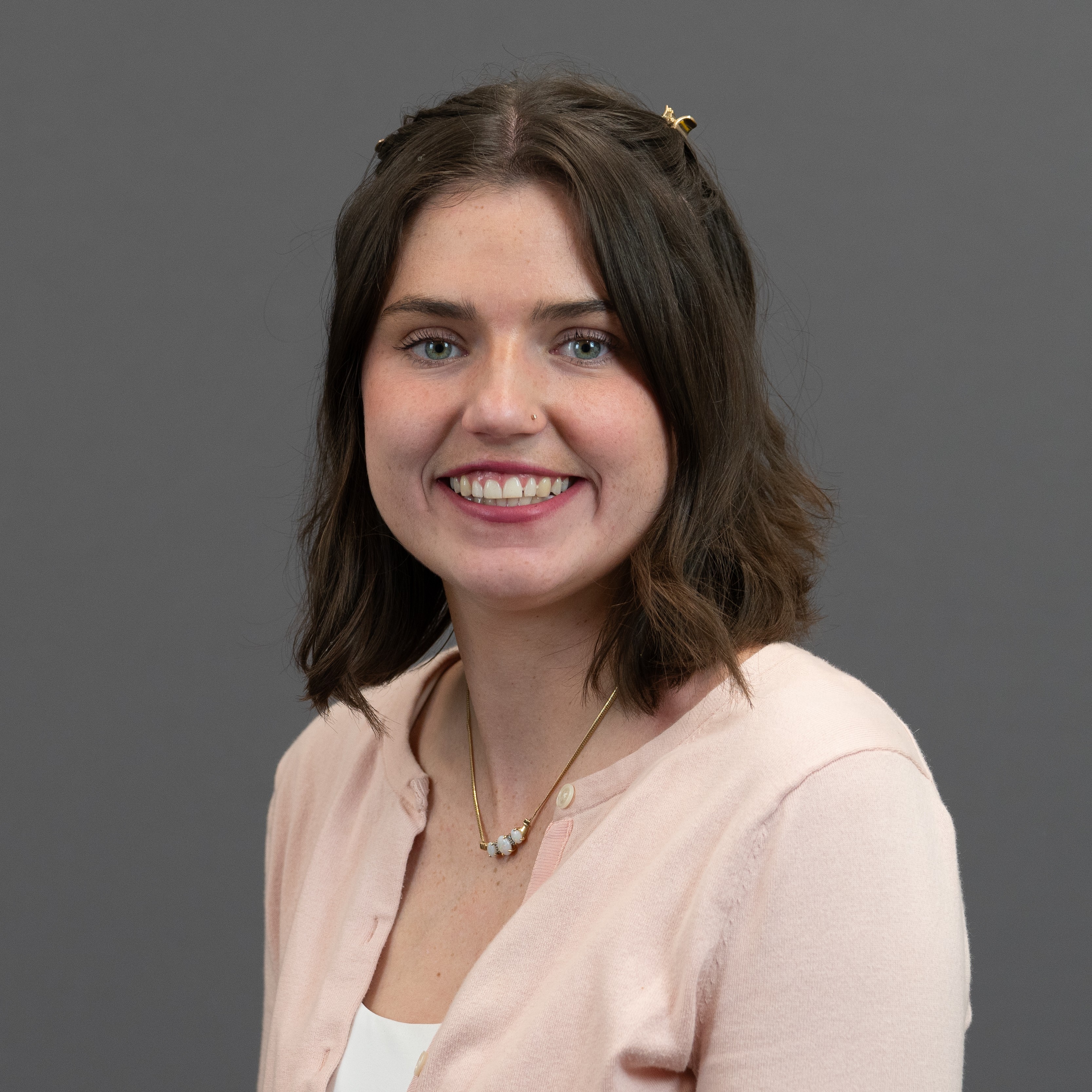
Sylvia Kimmel, Class of 2026, is a fourth-year DVM candidate at the Cornell University College of Veterinary Medicine. She has a keen interest in exotic companion animal and wildlife medicine, and hopes to conduct field work abroad in her future career.
Photos provided by Sylvia Kimmel.
Please consider giving to the Cornell Yang Center for Wildlife Health Student Support Fund to help provide more hands-on experiential learning opportunities for students passionate about wildlife health and conservation.