
Blogs from the Field
A healthy future for wildlife, people, and planet.
April 07, 2026
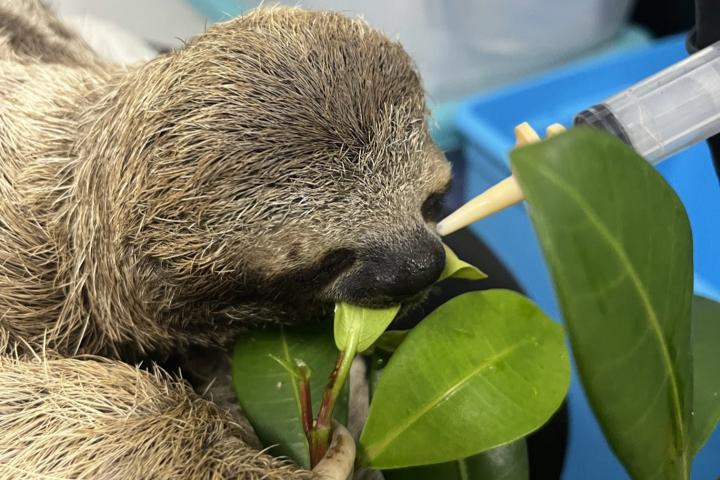
Thanks to Cornell’s Expanding Horizons program, I had the opportunity to complete a project at The Sloth Institute in Manuel Antonio, Costa Rica. TSI is a non-profit organization dedicated to rescue, rehabilitation, research, and public education, with a strong emphasis on sloth health, behavior, and overall well-being in both wild and rehabilitation settings....
March 19, 2026
Since the start of my veterinary education at the Cornell University College of Veterinary Medicine, I knew I wanted to work with unique species. I made sure to take advantage of every opportunity available to me...
January 24, 2025
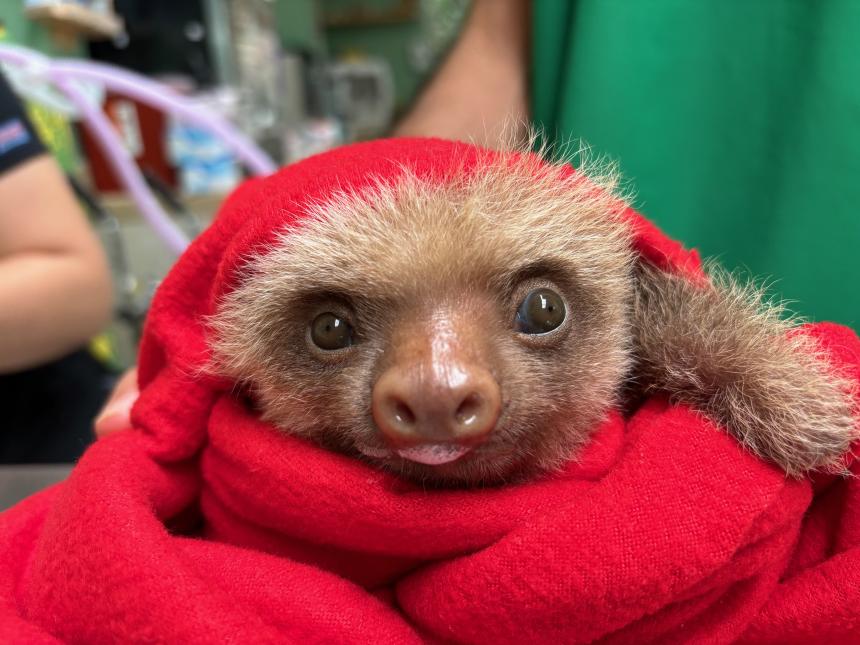
This past summer, I had the opportunity to work alongside the veterinarians at the Toucan Rescue Ranch (TRR) in San Isidro, Costa Rica. TRR provides veterinary care, enrichment, and rehabilitation for a diverse array of animals, including birds, sloths, felids, and more....

November 21, 2023
Did you know that the second most common cause of injured sloths coming into rescue centers is electrocution? If not, you are in the majority. There is little to no literature about sloth electrocution in the academic world, even though it is such a pervasive problem.