
Studying Sloths Through the Scope: A Summer of Conservation in Costa Rica
By Amy Yang, DVM '27
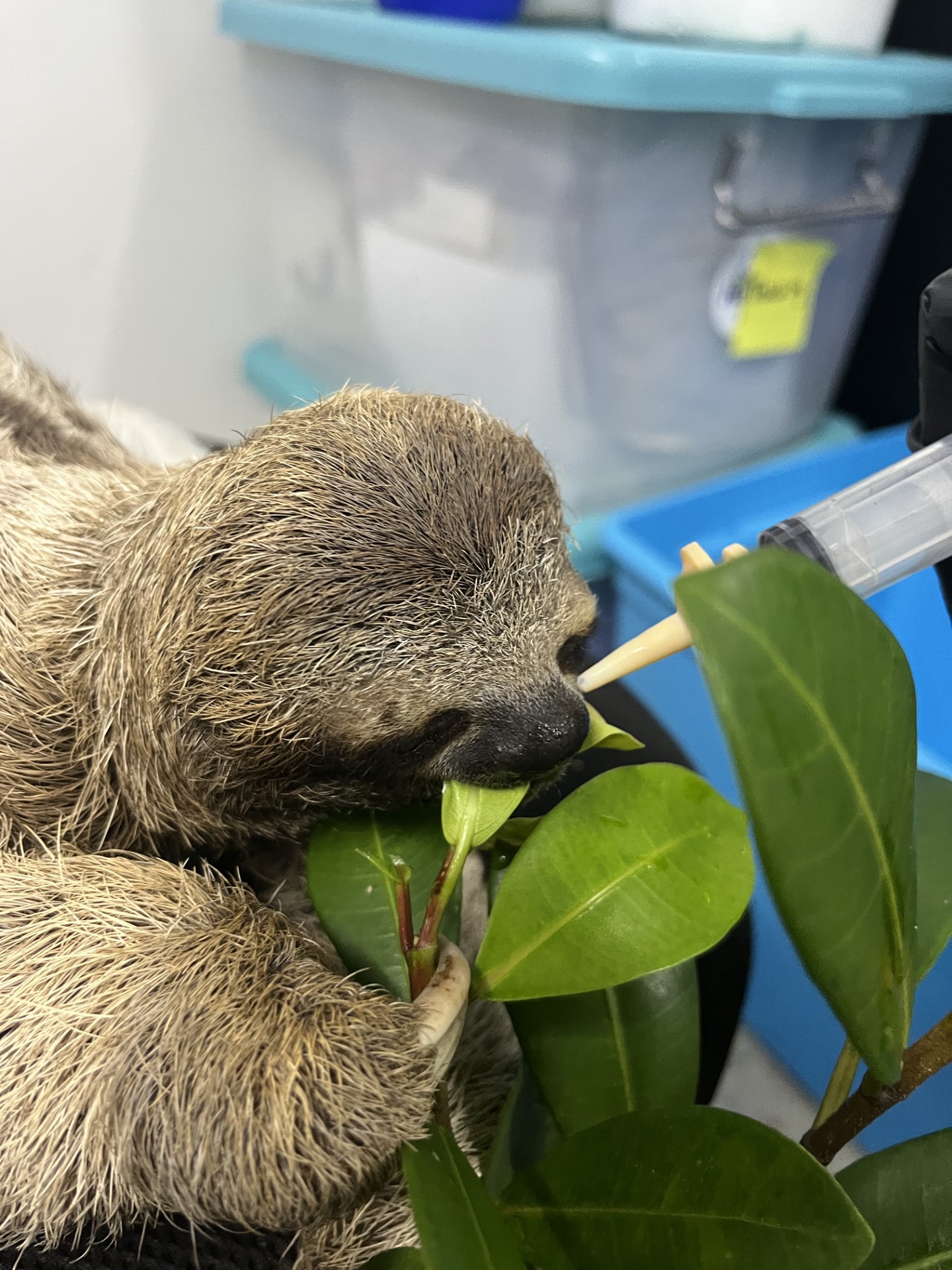
Thanks to Cornell’s Expanding Horizons program, I had the opportunity to complete an eight-week project this summer under the supervision of the head veterinarian and conservation medicine research manager, Dr. Ana María Villada Rosales, at The Sloth Institute (TSI) in Manuel Antonio, Costa Rica. TSI is a non-profit organization dedicated to rescue, rehabilitation, research, and public education, with a strong emphasis on sloth health, behavior, and overall well-being in both wild and rehabilitation settings.
During my time at TSI, I was actively involved in various aspects of both research and clinical work. With guidance from Dr. Villada Rosales, along with several veterinary technicians and other professionals in sloth conservation medicine, I received comprehensive training related to radio tracking, data collection, and the animals' natural history. This knowledge allowed me to provide appropriate routine care, including enrichment activities and health monitoring, to support patients’ transition back into the wild.
Establishing a Baseline
Brown-throated sloths (Bradypus variegatus), a species of three-fingered sloth, live in the tropical rainforests of Central and South America. Their highly specialized leaf-based diet and sensitivity to stress make them difficult to maintain in captivity, limiting opportunities to study their biology, behavior, and health. As a result, significant knowledge gaps remain despite their abundance and ecological importance in nutrient cycling and seed dispersal.
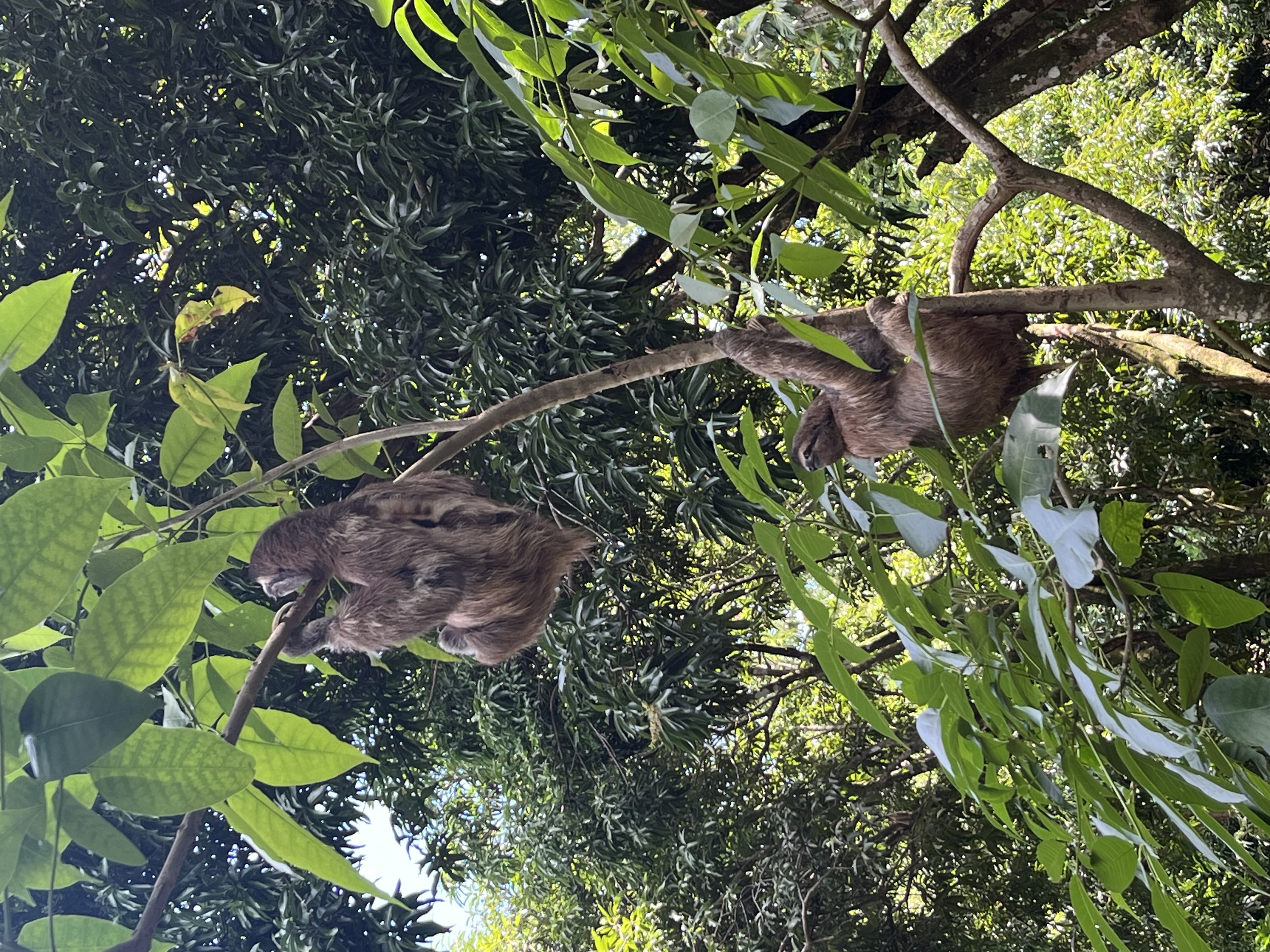
Little is known about typical blood health indicators for this species. My project at TSI aimed to establish local reference intervals for blood values in wild male and female brown-throated sloths living in a tropical lowland forest in Costa Rica. Knowing species-specific blood values allows veterinarians to assess overall health, detect early signs of illness, and make informed treatment decisions. This work helps fill an important gap in both wildlife conservation and clinical practice.
Although blood reference ranges exist for wild populations in Brazil, few studies have established standardized values for Costa Rican sloths. Local reference data are critical because differences in diet, environment, and genetics can influence what is considered normal for each population. While Brazilian values provide a general guide, Costa Rica-specific data allow veterinary staff to make more accurate health assessments of local sloths.
The data from my project were also contributed to the Zoological Information Management System (ZIMS), a global database that tracks animal health records and biological data. By adding these results to ZIMS, this study helps strengthen a global resource that can help improve care for this species.
Tracking and Treating Sloths
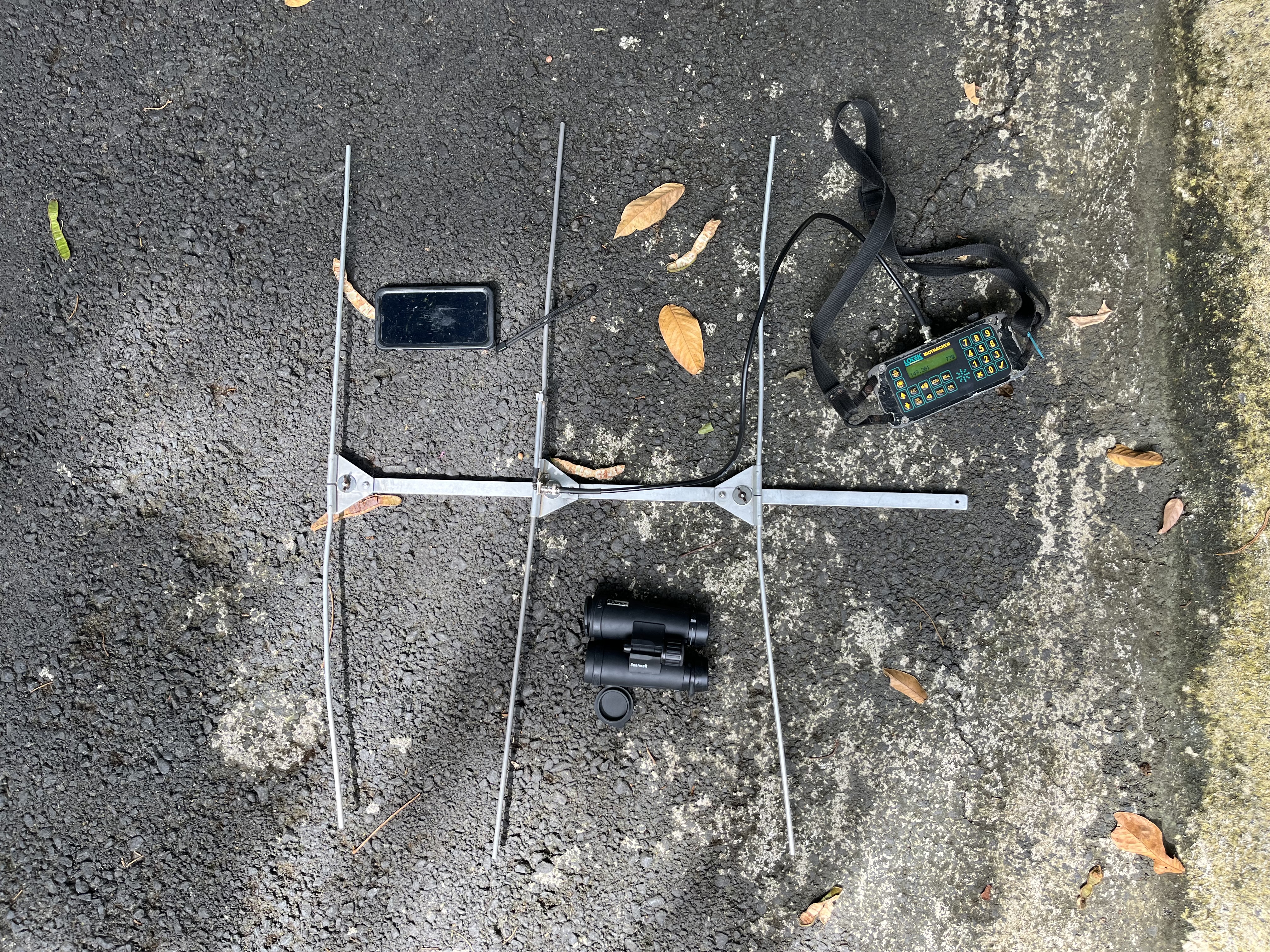
Daily fieldwork was conducted to monitor and opportunistically collect blood samples from free-ranging sloths, most of which have been rehabilitated by TSI and have established known territories nearby. These individuals were scheduled for routine health assessments as part of post-release monitoring and ongoing research. Each rehabilitated sloth is released with a tracking collar equipped with an antenna transmitting a unique radio frequency, a battery to power the signal, and a Bluetooth tracker, allowing a sloth’s location to be tracked using a combination of radio telemetry and Bluetooth signals.
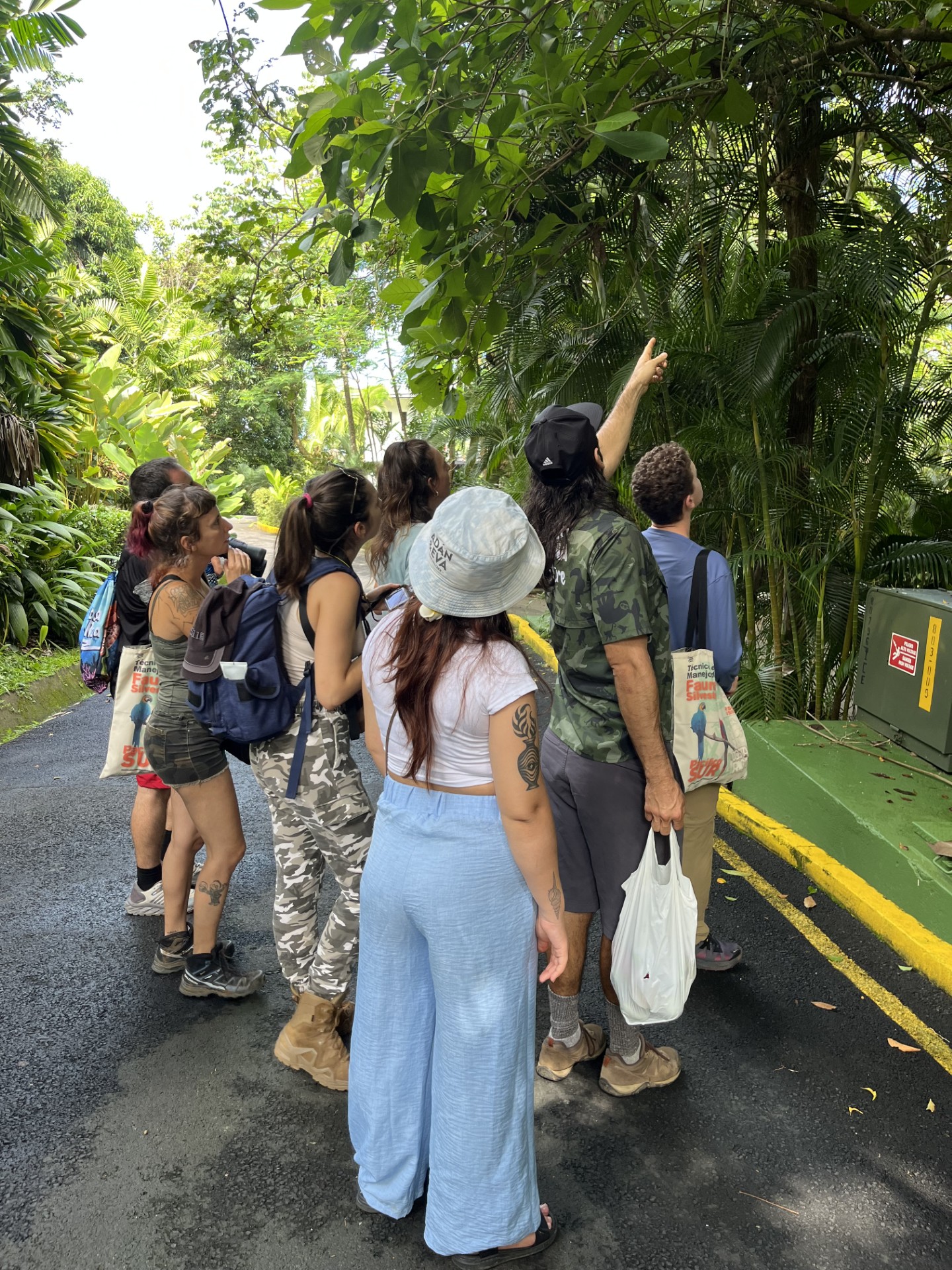
Once a sloth was located, I recorded its initial behavior, the tree it occupied, and the details of the surrounding area. Sloths observed low in a tree or descending to the ground to defecate (a behavior that usually occurs about once a week) presented ideal opportunities for capture and post-release health assessments at the onsite clinic. I learned that safely handling a sloth requires you to clasp your hands around the claws of the forelimb and press them snugly against the sloth’s palm to prevent pinching, as sloths are extremely strong. The sloth was then held by these strong, climbing-adept forelimbs, lowered into a soft pet carrier, and carefully taken back to the clinic.
During routine health assessments, each sloth underwent a thorough physical examination, followed by sample collection. I prepared blood smears to evaluate cell morphology and thus differentiate white blood cell types, measured hematocrit (to check for issues like anemia), and did manual white and red blood cell counts. With repeated practice, I improved my ability to differentiate white blood cell types under the microscope and developed a general sense of normal blood values, an essential skill when working with wildlife species that often lack established reference ranges.
Although there were fewer brown-throated sloth cases than expected, which limited my opportunities to practice venipuncture in that species, a high number of emergency cases involving two-fingered sloths provided valuable critical care experience. These cases allowed me to become familiar with the blood profiles of two-fingered sloths and to recognize the characteristic changes associated with illness. This unexpected shift in the work taught me to adapt to changing circumstances, particularly when working abroad, where conditions can be unpredictable and wild animals rarely follow a set plan.
One Health Lessons From the Local Community
This trip has shown me that no matter where I go in the world, people care deeply about animals and want to contribute to their well-being. In one instance, a firefighter brought in a sloth with a large, infected wound on its head, which was later confirmed to be caused by the New World screwworm (Cochliomyia hominivorax). Days after the sloth underwent surgery to clean and repair the wound, I ran into the firefighter by chance, who asked about the sloth’s recovery, and I shared a hopeful update. These interactions reminded me how veterinary professionals rely on collaboration with the broader community and how crucial it is to nurture those relationships with respect and appreciation.
In this case, Dr. Janet Sandi Carmiol, TSI’s veterinary advisor, also took on a vital public health role, educating TSI staff from diverse backgrounds about screwworms and advising that we monitor other sloths for signs of screwworm infection. She was also responsible for sending such parasite samples for analysis and for reporting confirmed cases to the appropriate authorities.
My experience with this case expanded my view of veterinary medicine as a global profession grounded not only in animal care but also in community partnership, public health, and environmental stewardship. I was impressed by the seamless integration of government support, such as police and firefighters aiding in wildlife rescue, which reflects a broader societal recognition of the value of animals and conservation efforts. The experience reminded me that while the resources available may differ, the core mission of veterinary medicine remains the same: to protect the health of animals, humans, and ecosystems alike.
Costa Rica attracts many ecotourists who come to learn with an open mind and who are endlessly fascinated by the country’s rich biodiversity. Even as infrastructure is built to support tourism, the town of Manuel Antonio maintains its sense of identity and its unwavering commitment to protecting native wildlife. TSI hosts daily “Sloth Walks” around the property that highlight the organization’s work through powerful storytelling, focusing on cases like Tilly, once an illegally owned pet; Elsa, an orphaned sloth with hindlimb paralysis; and Luke, whose electrocution injury required a forelimb amputation to stop the spread of infection. These stories leave a lasting impact on visitors, reminding them of the very real dangers sloths face and of the importance of protecting them in the wild.
Experiencing Language, Culture, and Personal Growth
This project has given me an unforgettable opportunity to immerse myself in Costa Rican culture. Over the summer, I developed meaningful relationships with local staff members, gaining insights into the spoken and unspoken customs that shape daily life. Making these life-changing friendships strengthened my Spanish and gave me the confidence to initiate conversations with additional people who otherwise would have remained strangers to me. These experiences have not only improved my communication skills but also enriched my clinical abilities, better preparing me for a career in wildlife veterinary medicine.
Building connections with local professionals, including biologists, tour guides, and others, broadened my perspective on conservation and deepened my empathy as a future veterinarian. Ultimately, this experience pushed me out of my comfort zone, especially when I was confronted by unanticipated challenges. Thoughtful reflection helped me recognize both my strengths and areas for continued growth.
Looking Ahead
Beyond strengthening my technical skills, my time with TSI allowed me to build valuable connections with professionals in sloth conservation, who provided mentorship and networking opportunities that will influence the course of my career. Working alongside professionals in veterinary medicine and rehabilitation has given me insights into the latest research, innovative treatment approaches, and the types of conservation initiatives needed to address the threats to these species. This experience has strengthened my ability to integrate wildlife health into broader conservation efforts. My time in Costa Rica has also equipped me with the diagnostic, clinical, and conservation-focused skills essential for future internships, residencies, and ultimately a career dedicated to protecting the health of wildlife in captive settings as well as natural ecosystems.

Amy Yang, Cornell University College of Veterinary Medicine DVM Class of 2027, aspires to be a board-certified zoological veterinarian. Originally from Rhode Island, she hopes to use her knowledge of conservation medicine to address the biodiversity crisis and support vulnerable human and animal populations impacted by environmental change.
Photos provided by Amy Yang.