
Wildlife Conservation Gets a Seal of Approval
By Kathleen Wendover, DVM ‘26
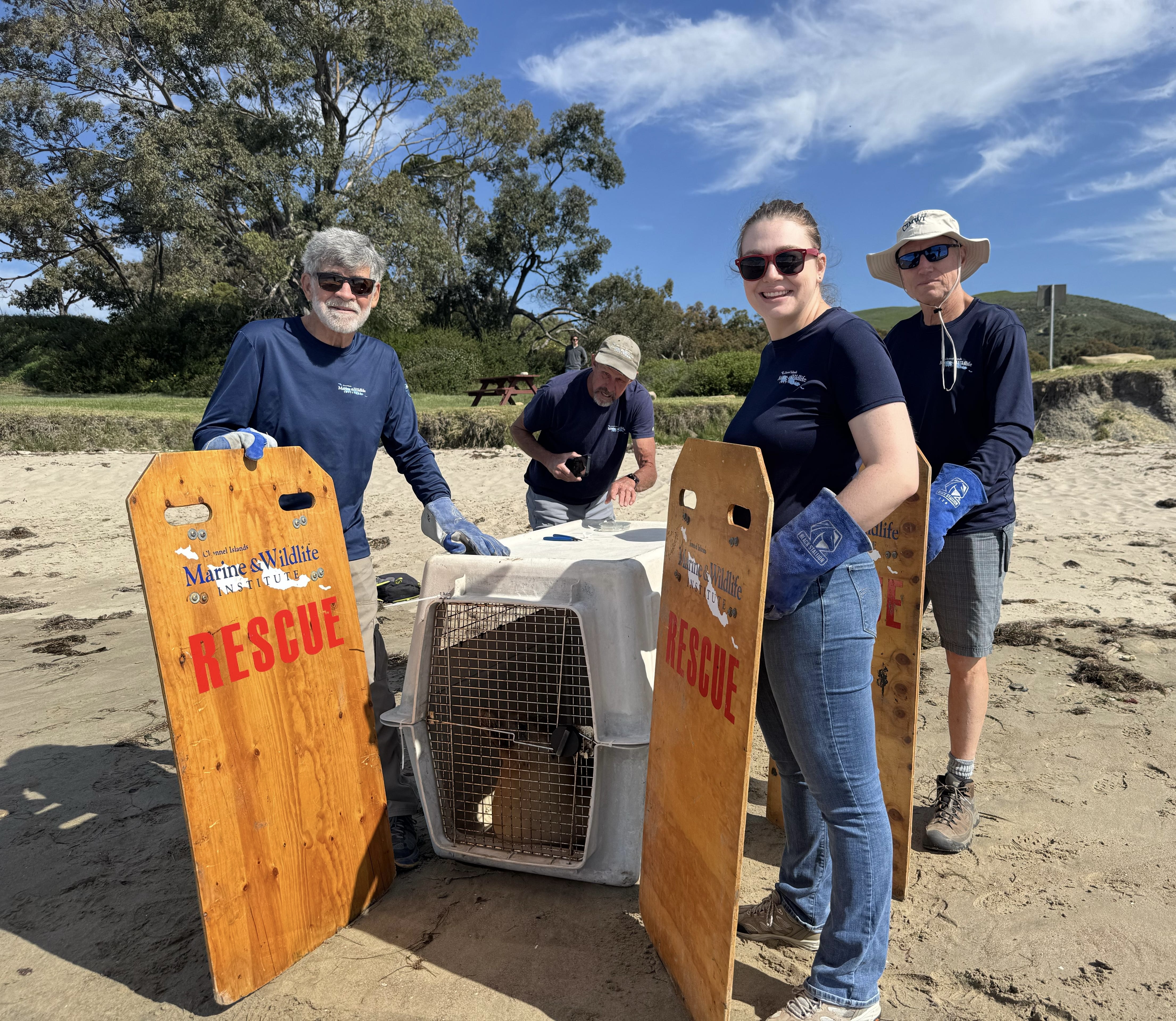
Each spring brings familiar and unfortunately common threats to wildlife conservation along the California coast. Northern elephant seal pups, born in the first months of the year, are weaned from their mothers, leaving them vulnerable as they learn to find food on their own. At the same time, changes in ocean temperature, acidity, and nutrient levels favor harmful algal blooms. These blooms release toxins that can accumulate and harm wildlife species, including the California sea lion.
The Channel Islands Marine and Wildlife Institute (CIMWI) works tirelessly to care for marine animals impacted by numerous threats like these. CIMWI is a nonprofit organization that responds to reports of stranded marine animals within Santa Barbara and Ventura counties. The institute provides field aid by monitoring sick or injured wildlife while also educating nearby members of the public. When necessary, CIMWI volunteers rescue and transport animals to facilities for further care. This includes CIMWI’s own rehabilitation facility, which specializes in caring for northern elephant seal pups and California sea lions.
For four weeks, I immersed myself in CIMWI’s mission while learning about marine mammal strandings and rehabilitation. I worked alongside the CIMWI team to provide patients with daily feedings and treatments, as well as to address health issues as they arose. My primary goal during this time was to gain experience in the field of marine mammal medicine, stranding response, and population health. I hope to utilize this knowledge as I pursue a career in wildlife and aquatic animal medicine.
Tackling Marine Mammal Conservation First-Hand
At CIMWI, I worked with northern elephant seal pups and California sea lions from the time of their initial presentation through their progression in rehabilitation and eventual release. This included admission exams, basic blood work, nutritional support, systemic support (e.g., fluid and medication administration), wound care, and data collection. With training, I was able to conduct abbreviated physical exams on both species. These exams included blood draws, as well as assessments of skin and coat condition, heart and lung function, blood glucose, hydration status, injuries, and signs of illness.
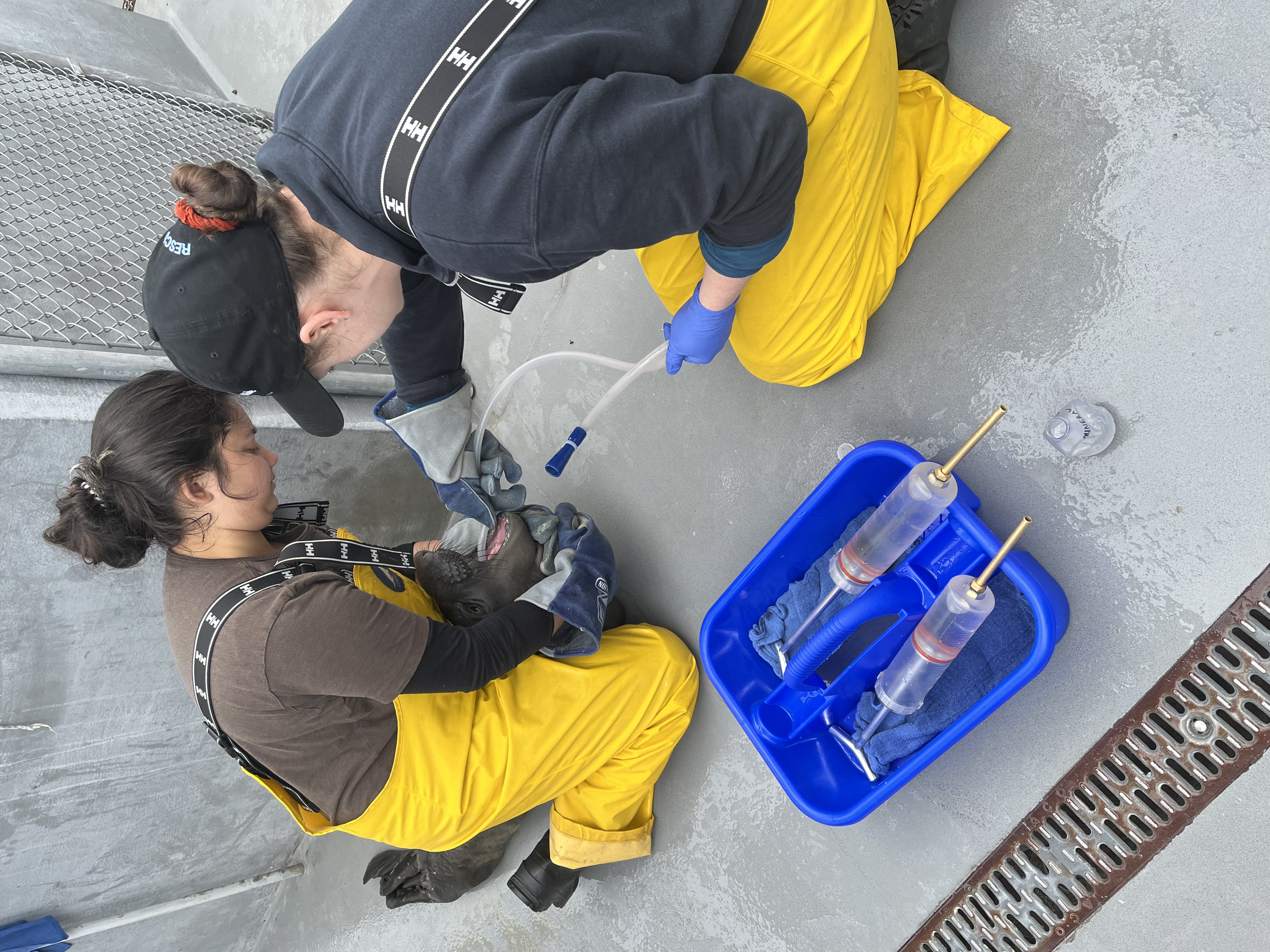
During admission, we also gathered basic information such as sex, age class, weight, body measurements, and assigned patient numbers. Each animal was fitted with a small tag for identification, and basic treatments were given. Most of the sea lions admitted were too large and unpredictable to examine without sedation. In these cases, I learned about different sedative and reversal drugs.
Advanced diagnostics such as radiographs or complete blood counts were utilized for more urgent or complicated cases. The two patients that received radiographs during my time at CIMWI were both California sea lions. One received imaging during admission due to a suspected chest injury. While no sign of a chest injury was visible, the radiographs revealed a dislocated right elbow. The other sea lion was imaged to evaluate a swollen jaw wound, thought to be the site of an embedded stingray barb. The radiographs could not determine the stingray barb’s location, and it was assumed to have migrated to another location. Participating in these cases allowed me to gain experience with the positioning of patients and imaging interpretation.
I also received training in seal and sea lion husbandry during my time at CIMWI. From day one, I honed my skills in safely handling California sea lions and northern elephant seal pups for exams, treatments, and feedings. I gained plenty of practice moving animals in a herd-like fashion and using non-contact boards for feedings and pen cleanings. On a daily basis, I also helped with nutritional support, which included assisted feedings (guiding a tube or fish into the esophagus/stomach), offering food by hand, and training animals to forage independently. Another important part of the husbandry work involved preparing medications and diets, as well as maintaining clean pens.
For the unfortunate cases where patients had a poor prognosis, I was able to help with euthanasia and post-mortem exams. Through this process, I gained a better understanding of the decision-making involved in euthanasia, as well as the medications and methods used. I was also able to observe post-mortem exams of both California sea lions and northern elephant seals, and helped with tissue sample collection and cataloging. Eventually, with guidance from a staff rehabilitator, I was able to perform a basic post-mortem exam myself. This experience gave me a better appreciation for marine mammal anatomy and the physiological changes associated with different disease processes.
While these cases were very interesting, I was glad to see that many of CIMWI’s patients recover well in rehabilitation and are released back into the wild. One of my favorite memories from the externship was attending the release of a female adult California sea lion. Watching the sea lion head for the shore and dive into the waves filled me with hope and reminded me of the purpose behind our efforts.
Tackling Issues in Population Health and Rehabilitation
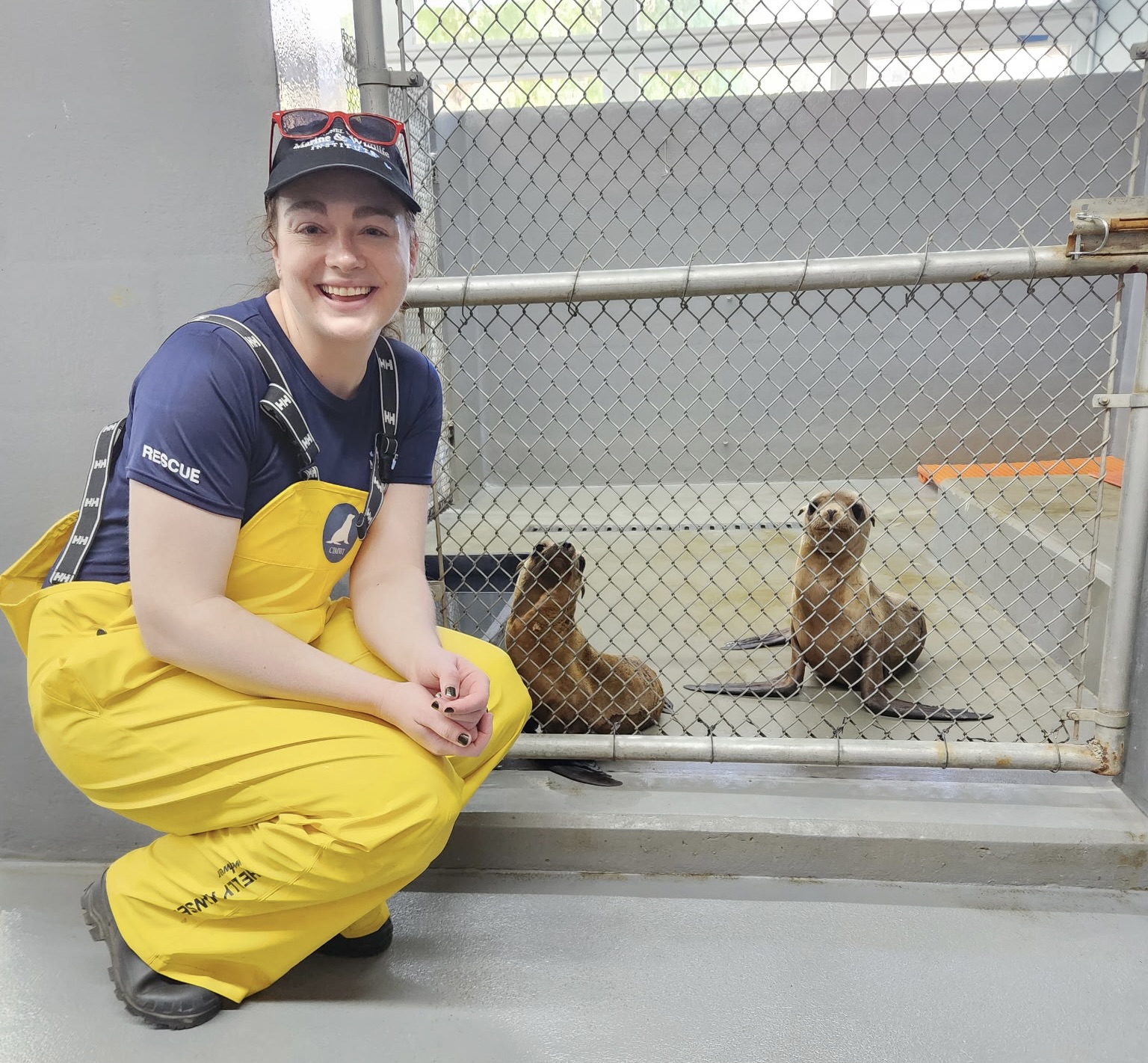
Many of the illnesses faced by the rehabilitation patients at CIMWI reflect broader health and environmental concerns impacting coastal wildlife populations. California sea lions often presented with signs of domoic acid toxicosis. Domoic acid is a neurotoxin produced by algae that damages the heart and brain of affected animals, causing abnormal behavior, odd movements, or even seizures. The severity of illness depends on the amount of toxin ingested. As sea lions feed on smaller filter-feeding organisms such as mollusks or small fish, they are often exposed to high levels of domoic acid.
Unfortunately, some of the most severely affected animals are pregnant female sea lions attempting to build nutritional reserves. As a result, they often experience worsened neurological conditions as well as pregnancy complications. Because there is no standard treatment for domoic acid toxicosis, disease progression is difficult to predict and varies with each animal’s ability to clear the toxin. Once seizing begins, little can be done to improve the animal’s condition, making euthanasia the humane option. The influx of these cases gave me a better understanding of how environmental conditions can devastate wildlife populations. The Channel Islands Marine & Wildlife Institute notes that algae proliferation producing this neurotoxin is favored by conditions with increased temperatures, sunlight, and nutrients—often fueled by runoff or pollution. This raises serious concerns about the growing prevalence of toxicosis in the face of marine pollution and climate change.
In addition to intermittent spikes in illness, we also faced treatment limitations inherent to a rehabilitation setting. To protect natural ecosystems, proper antibiotic withdrawal periods must be met before animals are deemed ready for release. Limitations in funding also meant that many advanced diagnostics and treatments commonly available in small animal hospitals were not accessible to CIMWI patients.
These challenges were compounded by health issues related to captivity. For example, skin damage from urine scald or abrasive pen surfaces is common among seals and sea lions. The rehabilitation team addresses these concerns by minimizing irritation with timed sprinklers in the pens that go off multiple times a day to divert fecal matter and urine to nearby drains. Additionally, the pens are cleaned regularly, and patients are provided with pool access when possible, but only release offers a long-term solution. If warranted, skin lesions on pups can be treated with warm water soaks containing the antiseptic chlorhexidine. This experience allowed me to further reflect on the balance between keeping animals in captivity for proper treatment and releasing them into a more favorable environment.
Conclusion and Acknowledgements
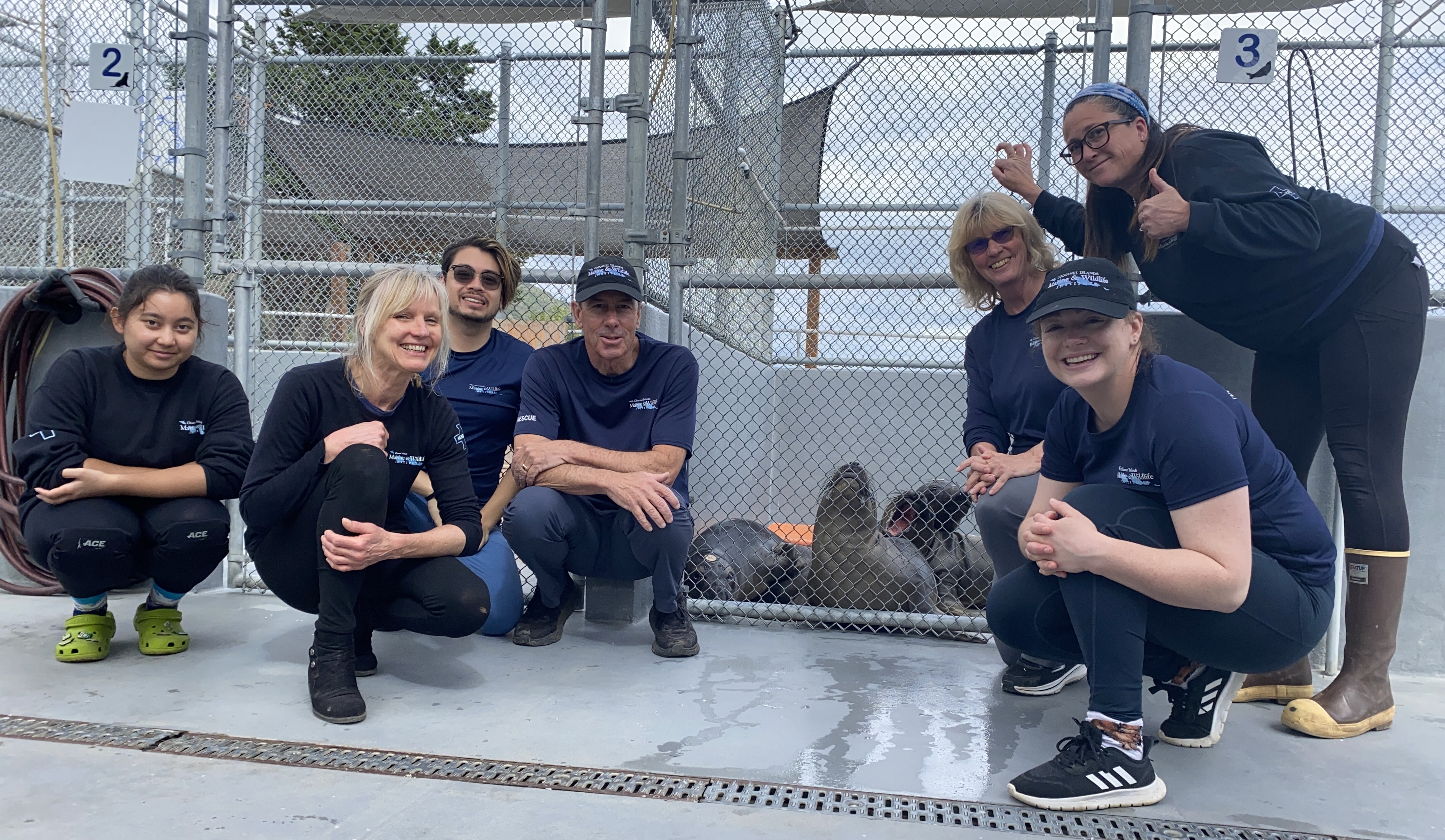
I would like to thank Jen Levine-Griffiths, Stranding Operations and Animal Care Manager, and Dr. Kris Burnell, seasoned rehab volunteer, for showing me the ropes and offering daily guidance. From the start, they ensured my experience was as hands-on as possible and that I had the opportunity to participate in clinical procedures as they arose. I would also like to thank Dr. Jake Bryan from whom I received clinical mentorship on the progression of different rehabilitation cases and procedures. Additionally, I am grateful to Dr. Kate Mullin and Dr. Beth Whitney, veterinarians I worked alongside who dedicate one day each week as general volunteers at CIMWI. Collaborating with them allowed me to gain a well-rounded understanding of marine mammal care from both veterinary and husbandry perspectives. All of the veterinarians at CIMWI volunteer their time, and I am inspired by their passion for helping these animals. I would also like to thank Dr. Sam Dover and Ruth Dover for graciously allowing me to join the CIMWI team and providing on-site housing. Finally, I am grateful to Jake Holshuh ‘67, DVM ’69, who generously sponsored my experience through the Student Support Fund and made this truly incredible experience possible!
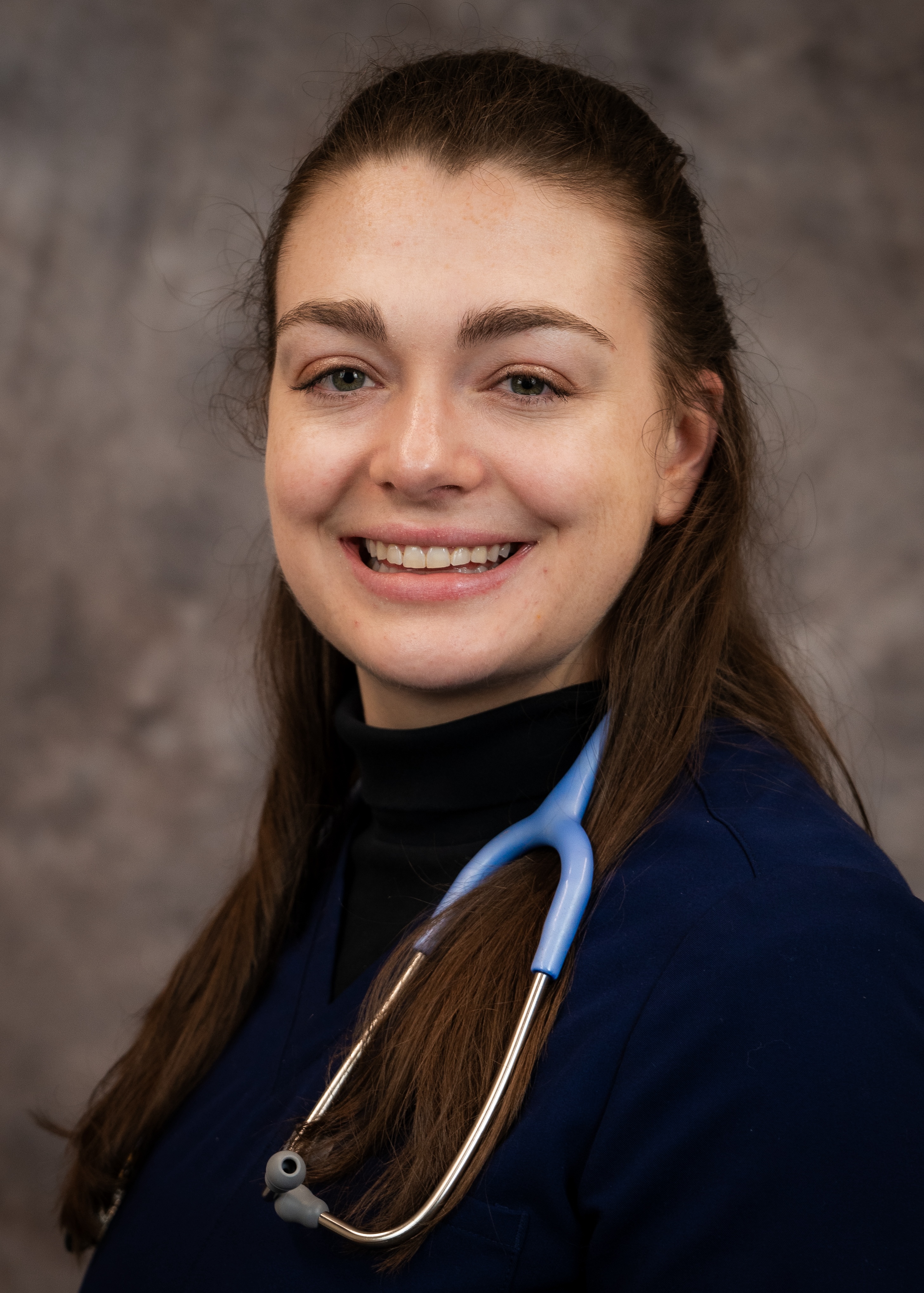
Kathleen Wendover, Class of 2026, is a fourth-year DVM student at the Cornell University College of Veterinary Medicine. She obtained a BA in biochemistry and molecular biology from Hendrix College in Conway, Arkansas. She is passionate about wildlife medicine, with a special interest in aquatics, and aims to pursue a career in wildlife conservation focused on population health.
All photos and videos provided by Kathleen Wendover.
Please consider giving to the Cornell Yang Center for Wildlife Health Student Support Fund to help provide more hands-on experiential learning opportunities for students passionate about wildlife health and conservation.