
From Penguin Swab to Viral Genome: Beyond the Perfect Pipeline
By Mayssoune Lamzili
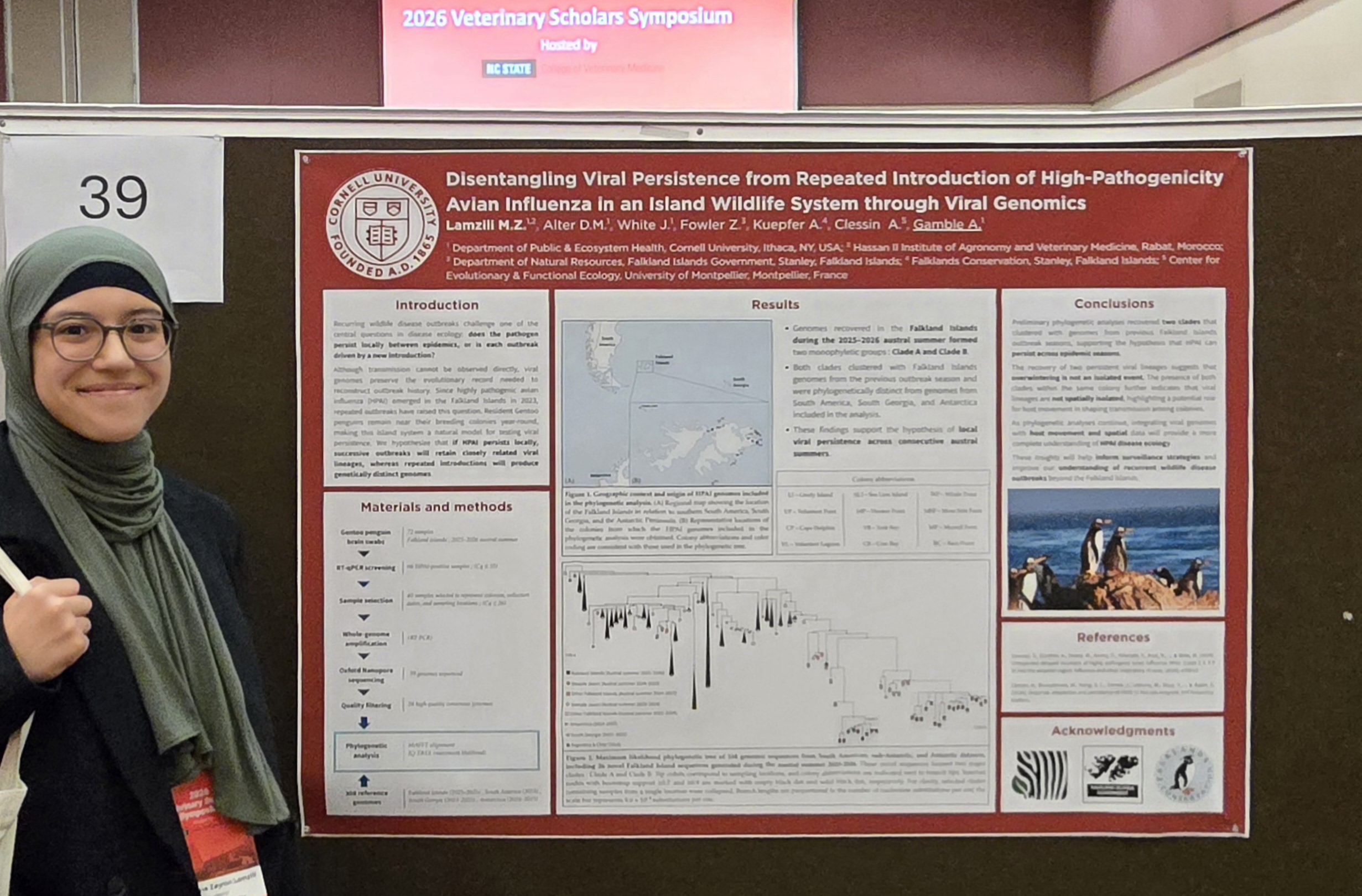
If you had told me back in Morocco that I would spend a summer investigating bird flu in Falkland Island penguins, detangling viral RNA, tracking wildlife disease in New York, presenting research onstage, and making lifelong friends, I would be in disbelief.
Yet, that was my experience in the Veterinary Investigation & Leadership Program (VILP) at Cornell University’s College of Veterinary Medicine. I was fortunate to take part thanks to the generous support of the Cornell K. Lisa Yang Center for Wildlife Health.
For ten weeks, I worked at the intersection of infectious diseases, wildlife conservation, and One Health. I explored their connection in my research project with Dr. Amandine Gamble, assistant professor in the Department of Public & Ecosystem Health, on the persistence of highly pathogenic avian influenza (HPAI) in the Falkland Islands.
I expected to spend the summer learning research techniques and following a clearly defined process. Instead, I came to realize that some of the most important lessons would come from navigating unexpected challenges and seeking support along the way.
Persistence or Reintroduction? Revealing Bird Flu Dynamics
A swab collected from a deceased penguin’s brain may seem insignificant, but it contains clues to a much bigger story: how a virus sweeps through wildlife populations.
The Falkland Islands, located in the sub-Antarctic waters off South America's southern coast, are home to large concentrations of seabirds and marine wildlife. But since HPAI struck the region in 2023, several outbreaks have caused significant wildlife mortality. One key question is whether the bird flu virus persists locally or whether new HPAI strains are introduced each year.
But if transmission can’t be seen directly, how can we tell?
The clue was on the swab: it contains the virus’s genetic material. Every time a virus replicates, it accumulates tiny genetic changes. By comparing viral samples from many infected penguins, we can investigate whether HPAI outbreaks are connected and piece together where the virus has been, even when we never observed it spreading.
My job was to turn those swabs into genomic information: extract genetic material, amplify it, sequence it, and compare the resulting viral genomes. On paper, it sounded straightforward. Except in reality, it wasn’t.
From a Brain Swab to a Genome Sequence
It was my first time being immersed in laboratory work, and I had a lot to learn. At first, I was nervous about almost everything: learning new techniques, making a mistake, and, most of all, wasting a sample. Each test tube was precious: it represented an animal, a field collection, and a long journey before it reached our lab.
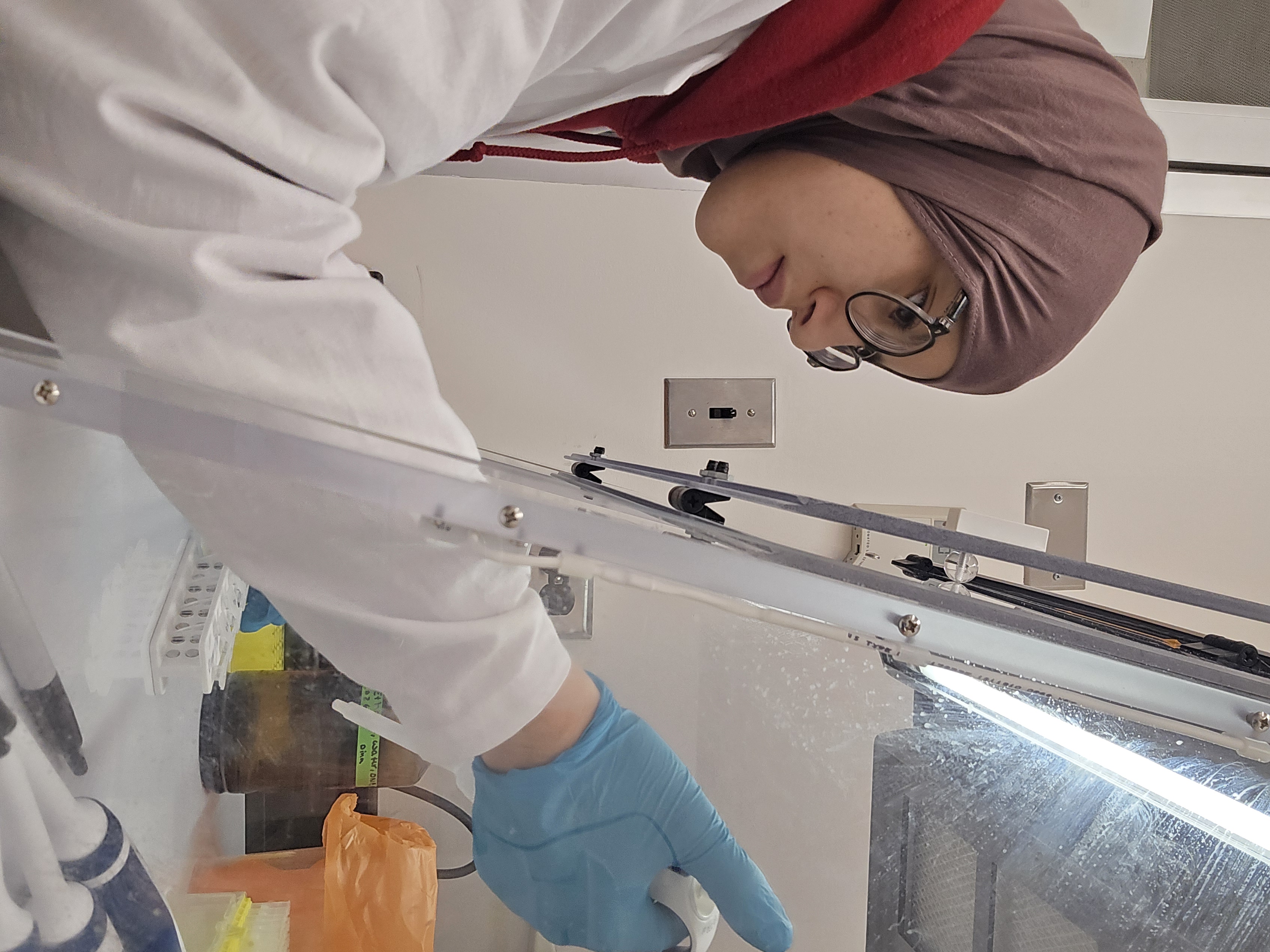
Honestly, I was clumsy. I spilled things more than once, but my mentors were patient. Slowly, I became more independent and comfortable with the techniques, always driven by a sense of responsibility to make the most of these samples.
Then research had other plans. A delivery is delayed. A reagent runs out. A negative control (a test sample that should contain no viral material) comes back positive. We had to stop and repeat steps to verify the result.
The first sequencing run was when the stakes really hit me. I was waiting to see whether all the work that had gone into preparing the samples had produced usable data. But when the results came back, many of the sequences were of too poor quality to use. I remember feeling frustrated, but more than that, I started doubting myself. Had I done something wrong? Would we have enough data to draw meaningful conclusions?
After working hard to prepare the samples a second time, we were ready for a second sequencing run. This time, I was nervous for a different reason. I knew exactly what it felt like to open the results and be disappointed, so I was almost afraid to look.
Thankfully, when the new results came back, most of the sequences were of good quality. I was incredibly happy that we finally had results to work with.
Through this experience, I learned that research isn't about making the road perfectly smooth ─ it's about learning how to keep moving when it isn't. But the lab wasn't the only place where I learned that research doesn't follow a script.
Beyond the Laboratory: Working with Wildlife
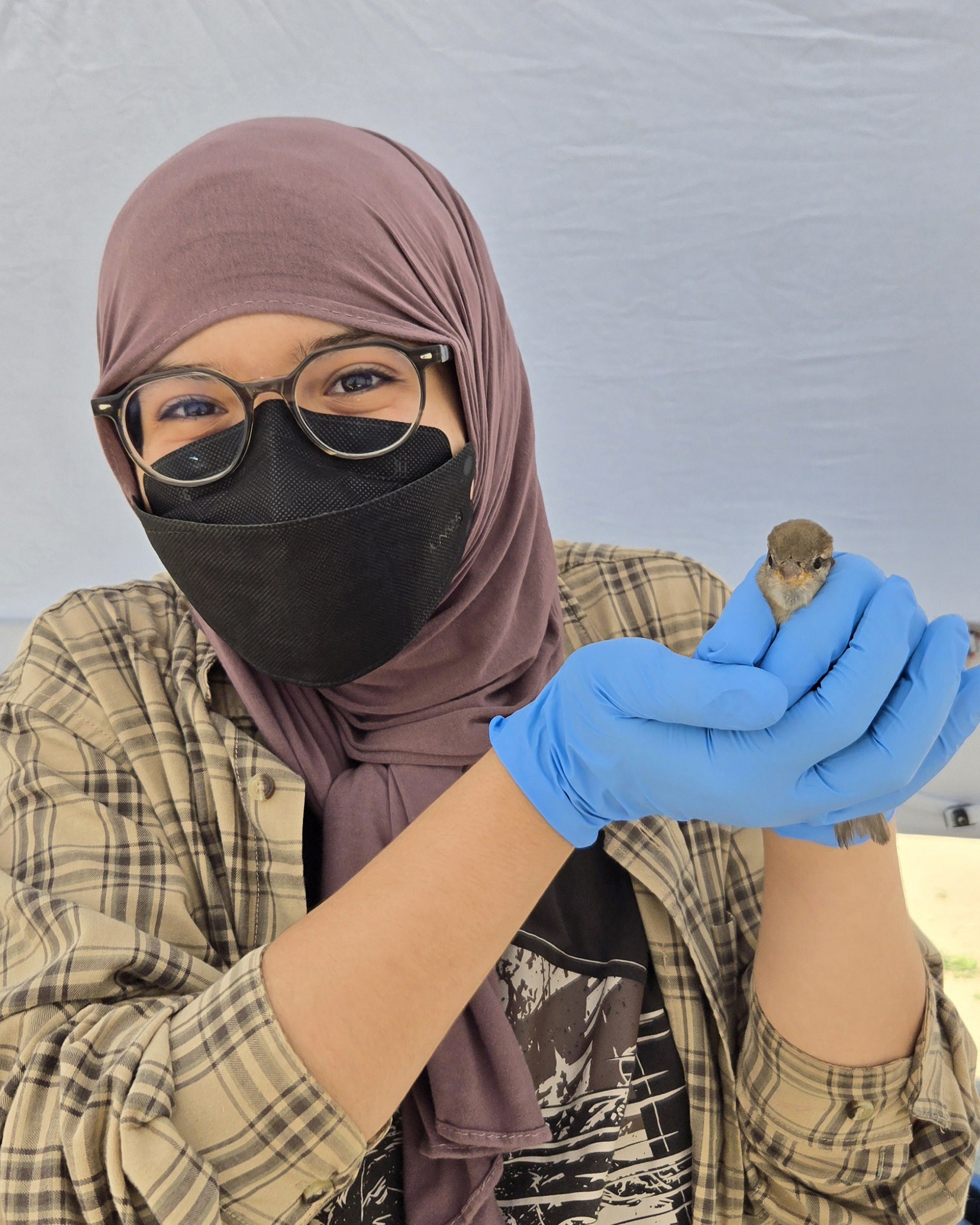
Although I couldn't sample penguins myself, I joined the team for local HPAI surveillance work. The project I got to participate in tracks viral transmission between livestock and wildlife around farms in New York State.
Our work started early in the morning, as preparation was crucial. We set up traps in hopes of catching rodents, raccoons, opossums, or skunks, and mist nets for birds. We checked our equipment and carefully planned to minimize stress and prioritize the welfare of the animals we captured for sampling. We also had to disinfect between sites to ensure we weren’t carrying pathogens from one site to another.
But even with careful planning, one cannot anticipate everything. We hit the road before sunrise, the weather looked promising, and we even had extra helping hands. But just as we set up the mist net on site, the wind grew fierce. That was no longer a bird day! Some days, we could catch a dozen animals. On others, none.
My time in the field led me to reflect on the penguin HPAI swabs I’d handled in the lab: before they reached my bench, each sample had already required a great deal of logistical planning, careful work to obtain it, and a bit of good luck.
The People Behind the Science: Finding My Place
Both in the lab and in the field, things don't always go according to plan. But the people around me taught me something else: research is rarely done alone.
I remember meeting the other VILP participants for the first time and being impressed by their projects and experiences. For a moment, I wondered whether I really belonged among them.
But with time, my perception changed. We learned from each other, shared experiences, spent time together, and slowly became friends. Somewhere along the way, I stopped wondering whether I belonged. I had found my place.
The same was true in the lab. I was lucky to have Dr. Gamble and Dina Alter, a Cornell DVM-PhD student, as my mentors.
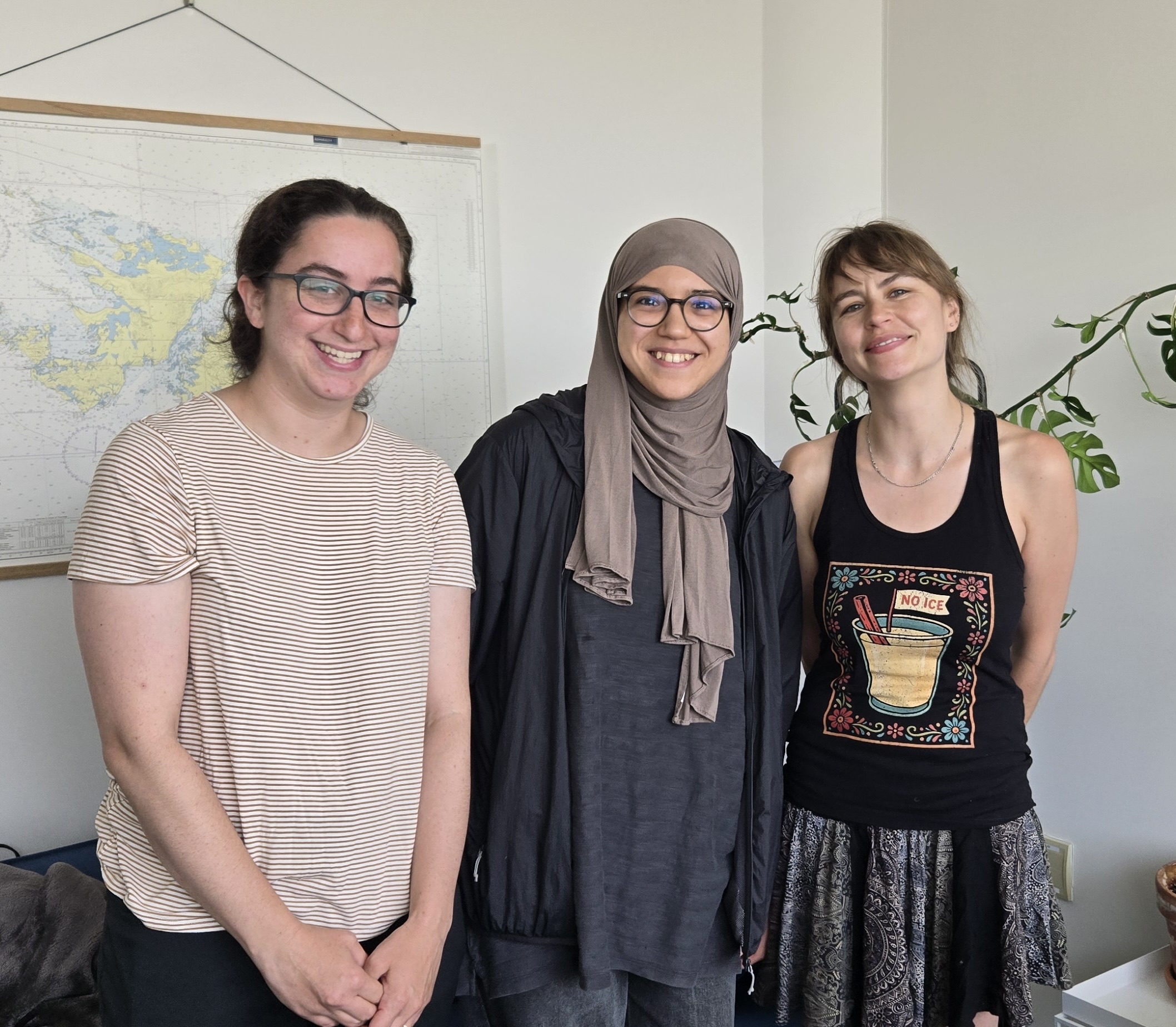
Before this summer, I mostly encountered research through its finished products: figures, papers, results, and conclusions. VILP gave me a chance to see the failed experiments, unexpected results, fieldwork challenges, and numerous decisions in between.
Somewhere between those steps, a penguin swab became a viral genome that could help tell a story. I went from viewing research as a finished product to savoring the process. I learned to look beyond the perfect pipeline and found my place in the process.
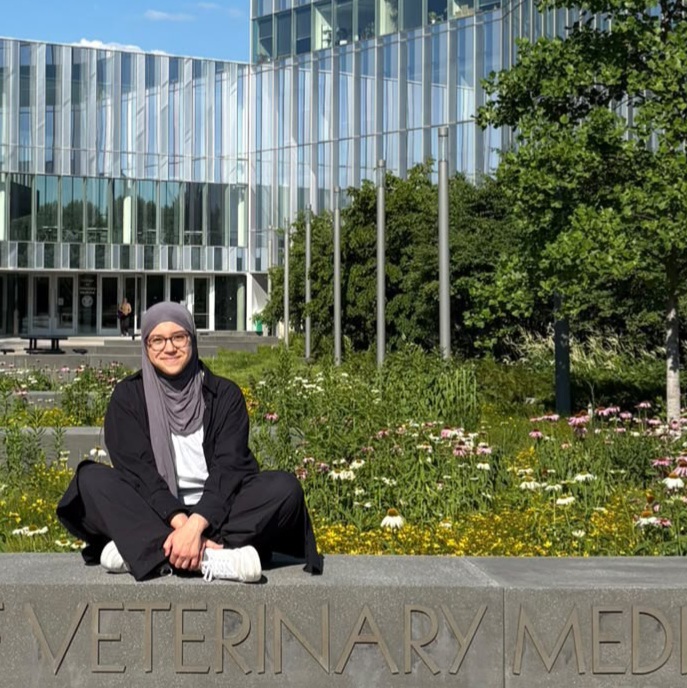
Mayssoune Lamzili was a visiting summer student with the 2026 Veterinary Investigation & Leadership Program (VILP) at Cornell University’s College of Veterinary Medicine. Dr. Amandine Gamble was her primary faculty mentor.
Mayssoune is a DVM student at the Hassan II Institute of Agronomy and Veterinary Medicinein Rabat, Morocco (Class of 2029). She is drawn to questions at the intersection of wildlife health and conservation, infectious disease ecology, and One Health. While she is still exploring her career path, she hopes to keep learning through research and experiences that bring these fields together.
Photos provided by Mayssoune Lamzili.