
The Continuum of Wildlife Care at Woodland Park Zoo
By Sarah Henderson, DVM ‘27
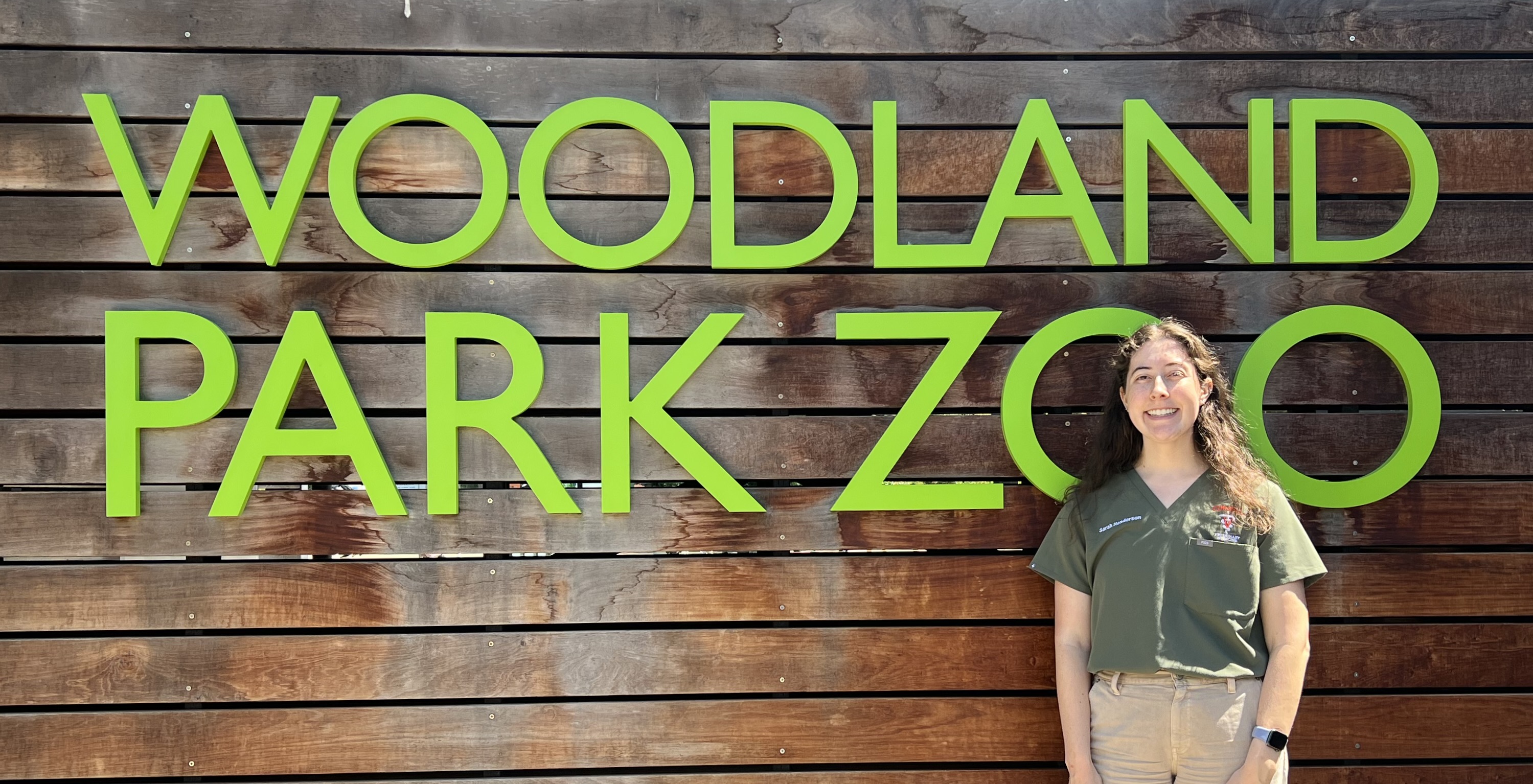
Woodland Park Zoo in Seattle, Washington, is a major community and conservation institution that welcomes Seattle residents and visitors from around the world year-round. Through its wildlife conservation, education, and animal-care programs, the zoo brings visitors closer to the urgent work of protecting wildlife.
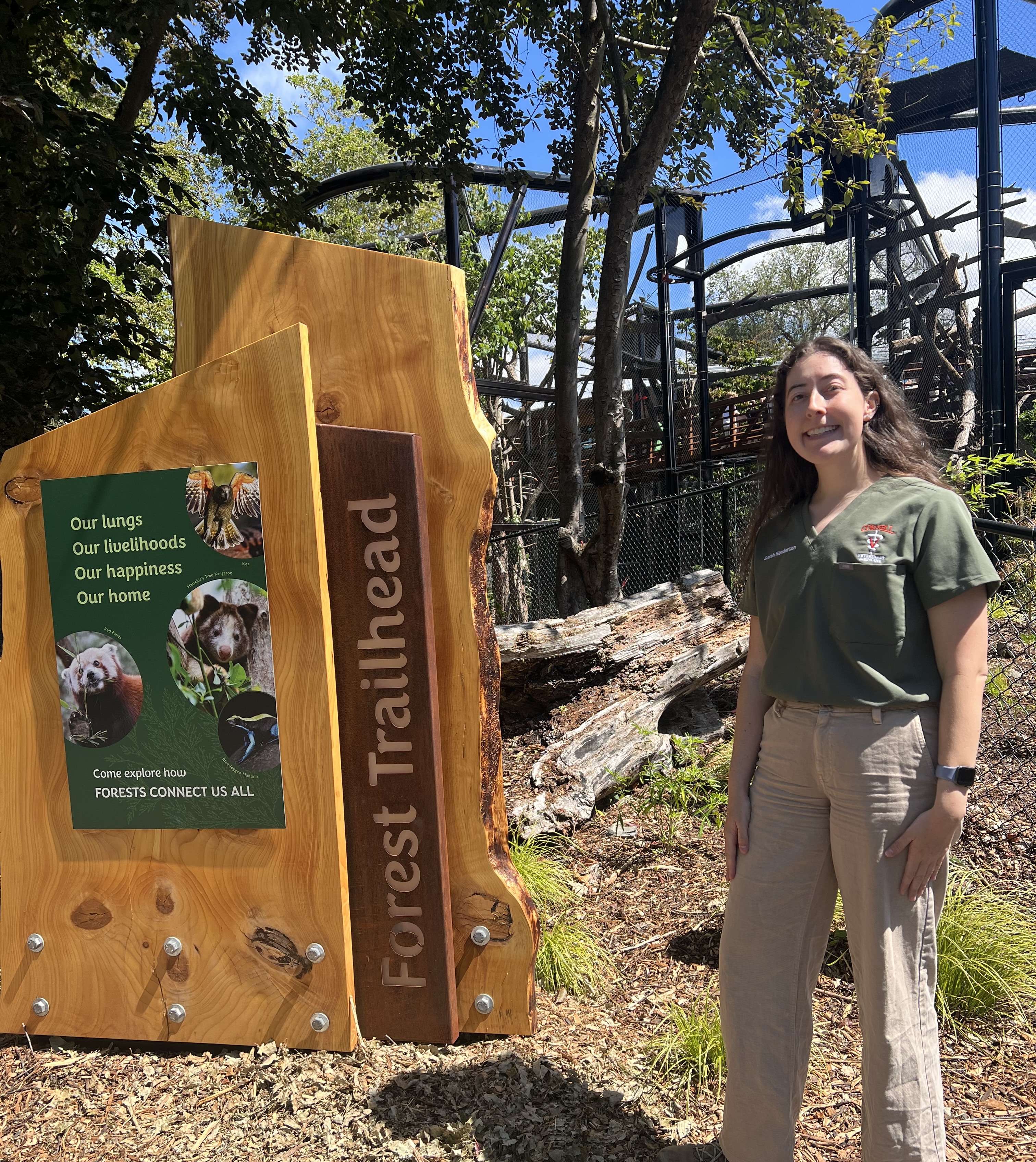
Having grown up in the Seattle area, I had long hoped to complete a clinical rotation at this Association of Zoos and Aquariums (AZA)-accredited institution. Home to more than 1,000 animals representing over 250 species, the 92-acre Woodland Park Zoo offered an exceptional opportunity to learn within a diverse, high-quality zoological medicine program.
I am interested in pursuing a career in zoological medicine with an emphasis on conservation. Before this rotation, I had experience caring for free-ranging carnivores and working in sanctuary-based conservation settings. My only prior exposure to clinical medicine in a traditional zoological collection had been through a veterinary school course, making this four-week veterinary externship at Woodland Park Zoo an especially valuable opportunity. I was eager to expand my clinical skills and deepen my understanding of preventive and population-based zoo medicine under the mentorship of Woodland Park’s veterinary team.
Feels Like Home
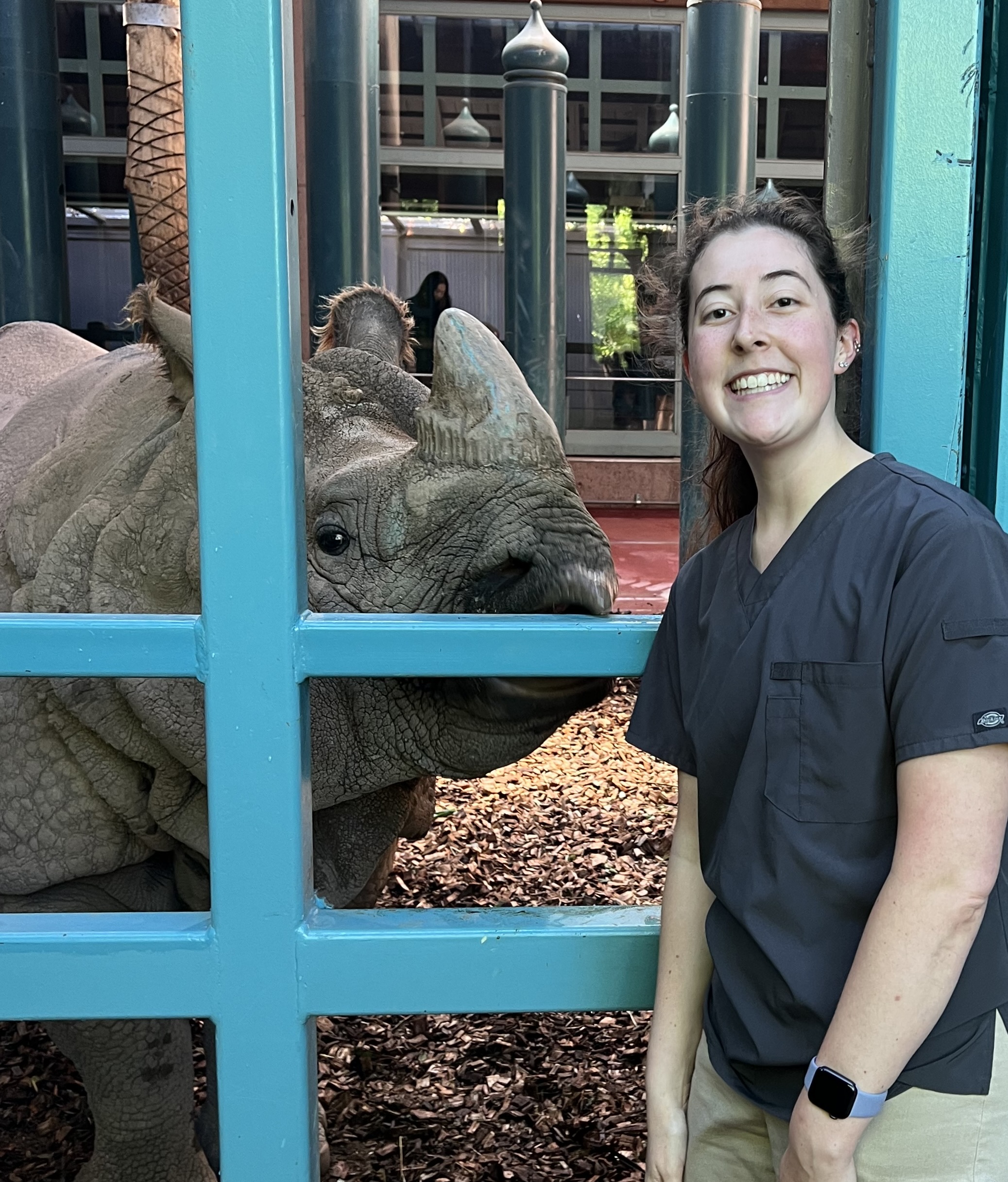
Growing up, I often visited Woodland Park Zoo, and I participated in several of its summer camps. Seeing my favorite animals at close range was among the most formative experiences of my childhood. Returning to the zoo as a clinical extern allowed me to see it from a new perspective: not only as a place that inspires visitors, but also as an institution with a strong sense of community and public engagement with thoughtfully designed, environmentally focused horticulture throughout the campus.
From day one, I felt welcomed as a member of the team at the veterinary hospital.
I found it particularly enriching to participate in discussions that connected individual patient care with broader species conservation goals. Woodland Park Zoo recently opened the Forest Trailhead exhibit, which highlights its conservation work with the endangered Matschie’s tree kangaroo. Learning about the zoo’s conservation model, which incorporates collaboration with local communities, Indigenous peoples, conservation organizations, national governments, and local and state agencies, helped me better understand the care and long-term commitment the institution brings to the species it supports.
From Procedures to Charting and Everything in Between
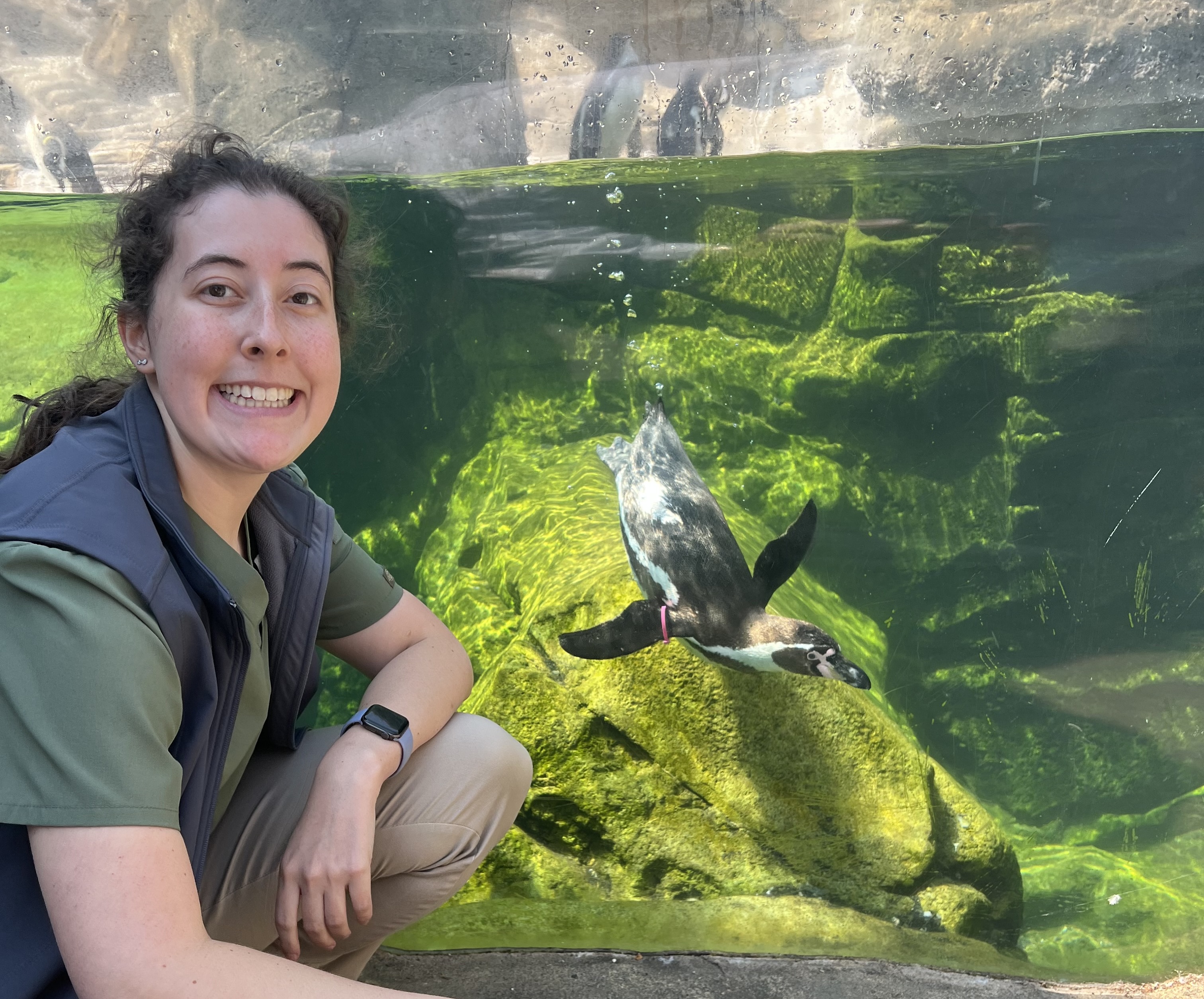
I worked alongside three veterinarians, Drs. Tim Storms, Laura St. Claire, and Rodrigo Garces, as well as expert veterinary technicians and animal health support staff. Close collaboration among the veterinary team, animal keepers, and animal collection managers enabled me to observe and contribute to the care of a broad range of species. Through participation in clinical procedures, necropsies, and chemical immobilizations, I gained exposure to the scope and diversity of zoological medicine. Experiences ranging from evaluating penguin health and administering antibiotics to a flamingo to trimming giraffe hooves and examining a gorilla before transfer all demonstrated the breadth of medical, surgical, preventive, and regulatory considerations involved in caring for a zoological collection.
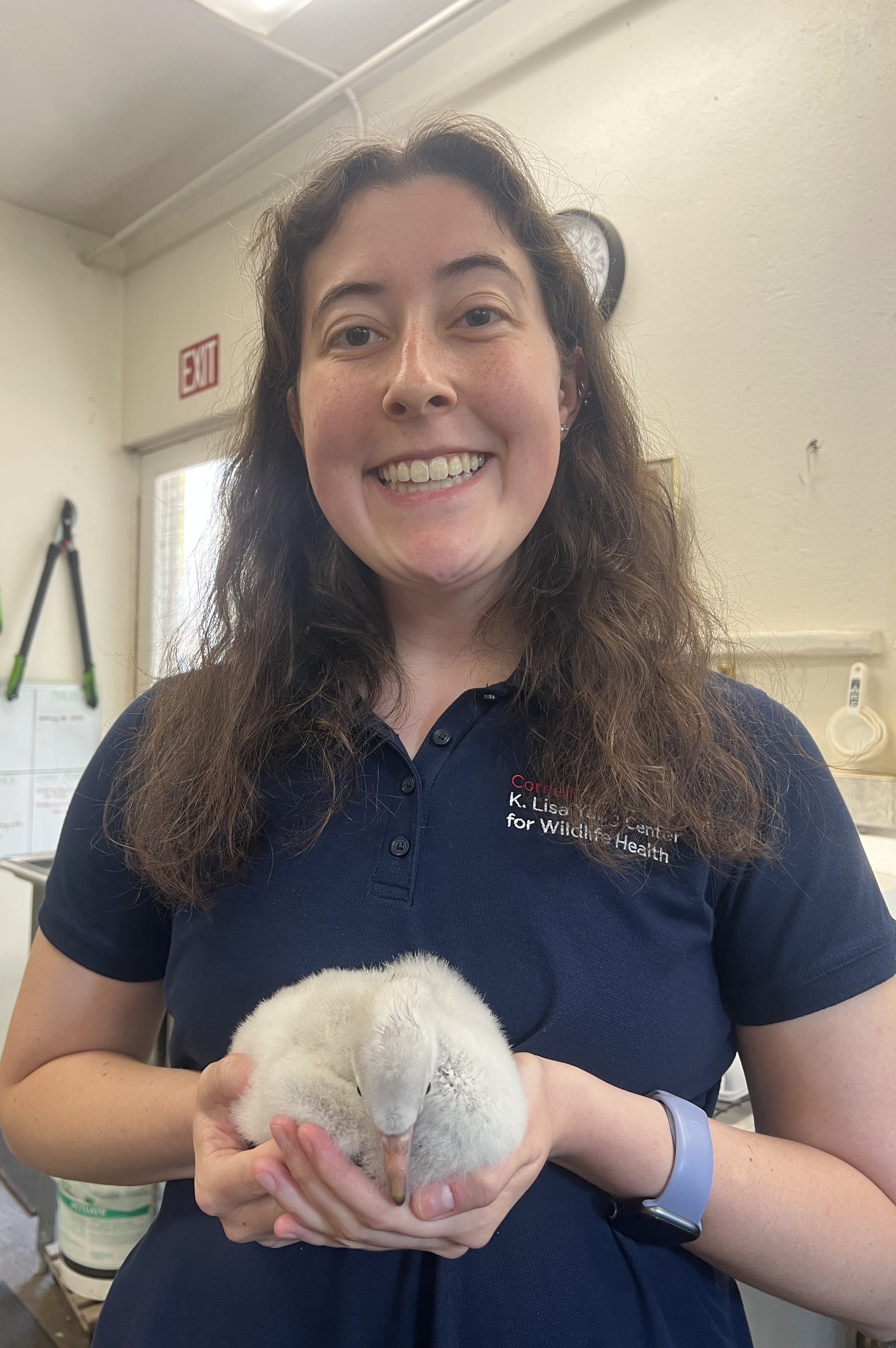
The externship also gave me insight into the full continuum of animal care. From neonatal examinations of flamingo chicks to discussions surrounding quality of life and the eventual euthanasia of a terminally ill flamingo, I observed the care, thoughtful deliberation, and compassion invested in each animal’s welfare throughout its life. Participating in carnivore medicine meetings and annual physical examinations of species, such as grizzly bears, lynx, tapirs, blood pythons, kea, and ring-tailed lemurs, further illustrated the planning required to develop and sustain effective, year-round preventive health programs for individual animals.
In addition to participating in veterinary procedures, I spent several days shadowing zookeepers in animal areas aligned with my interests. This experience provided a valuable perspective on daily husbandry, behavioral observation, and positive-reinforcement training within managed populations. Because of my particular interest in carnivore medicine, I especially appreciated observing the care of brown bears, sloth bears, snow leopards, and jaguars. I saw how husbandry and training support both welfare and clinical care by enabling animals to voluntarily participate in procedures such as blood collection and vaccination, thereby reducing stress and, when appropriate, avoiding the need for general anesthesia.
Continued Learning: An Immersive Experience
Learning from three exceptional zoo veterinarians gave me valuable insight into the collaborative clinical reasoning required in zoological medicine, particularly for cases involving complex anesthetic protocols, including a Grant’s gazelle and a maned wolf requiring hands-on care. During these procedures, I contributed to diagnostic evaluation through physical examination, radiographic interpretation, and ultrasonography, and I was encouraged to join discussions on each animal’s therapeutic management after immobilization. I am deeply grateful for the mentorship I received from the veterinarians, technicians, and broader animal care staff. Their willingness to teach and include me in case discussions made me feel like a valued member of the team.
My externship concluded with a journal club presentation on giraffe husbandry and hoof disorders, a topic I selected because of my interest in preventive care and management of megaherbivores. I also presented a case report on regional limb perfusion (a method for antimicrobial delivery) in a flamingo, a case I was deeply involved in throughout my four weeks. These opportunities allowed me to pursue topics that genuinely interested me while contributing to team-based learning and reflection on clinical experiences from the rotation. Preparing and sharing these presentations strengthened my ability to evaluate veterinary literature, communicate clinical information, and connect husbandry, preventive medicine, and individualized patient care.
The Zoo and Beyond
I truly enjoyed my time at Woodland Park Zoo. This externship deepened my appreciation for conservation-focused zoological medicine and strengthened my connection to a zoo that has been meaningful to me since childhood. Through hands-on participation in caring for zoo animals, I gained confidence that zoological medicine is the career path I am committed to pursuing.
I am sincerely grateful to the Cornell K. Lisa Yang Center for Wildlife Health Student Support Fund for making this externship possible. I also extend my appreciation to the Woodland Park Zoo Animal Health team, especially Drs. Tim Storms, Laura St. Clair, Rodrigo Garces, the veterinary technicians, and the many other staff members who contributed to my learning and mentorship throughout the rotation. Thank you for welcoming me into the team, and for sharing your expertise, time, and inspiring dedication to animal welfare and conservation.
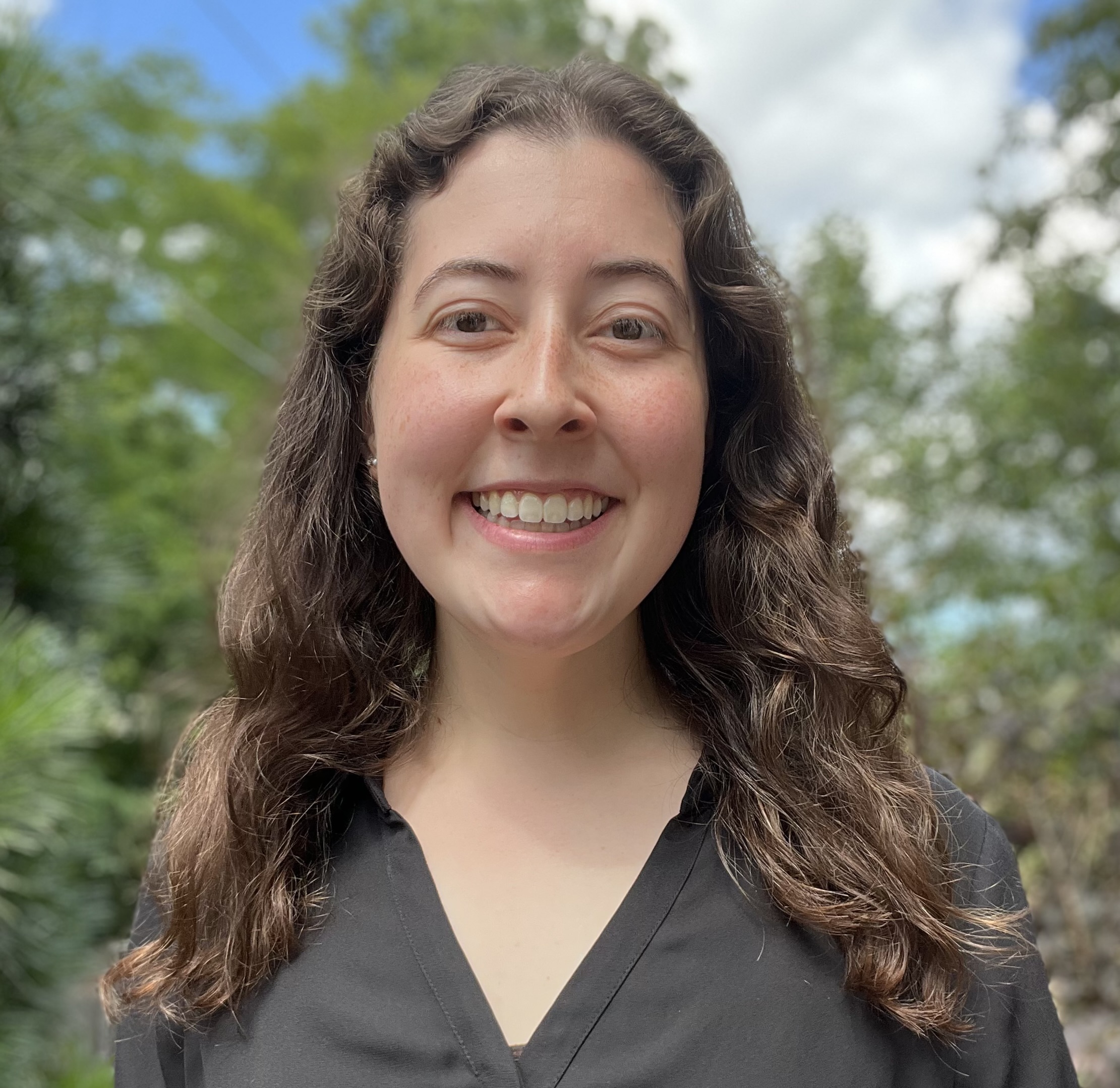
Sarah Henderson (Class of 2027) is a fourth-year veterinary student at Cornell University’s College of Veterinary Medicine. She earned a bachelor’s degree in veterinary technology from Long Island University in 2023 and has continued to work as a licensed veterinary technologist throughout veterinary school. Sarah’s professional interests include conservation-focused zoological medicine as well as emergency and critical care. Following graduation, she plans to pursue a small animal rotating internship to further develop her clinical skills and advance toward her long-term goals in zoo and emergency medicine.
Photos provided by Sarah Henderson.
Please consider giving to the Cornell Yang Center for Wildlife Health Student Support Fund to help provide more hands-on experiential learning opportunities for students passionate about wildlife health and conservation.