
Marine Mammal Rescue and Rehabilitation Along the California Coastline
By Katie Broikos, DVM ‘26
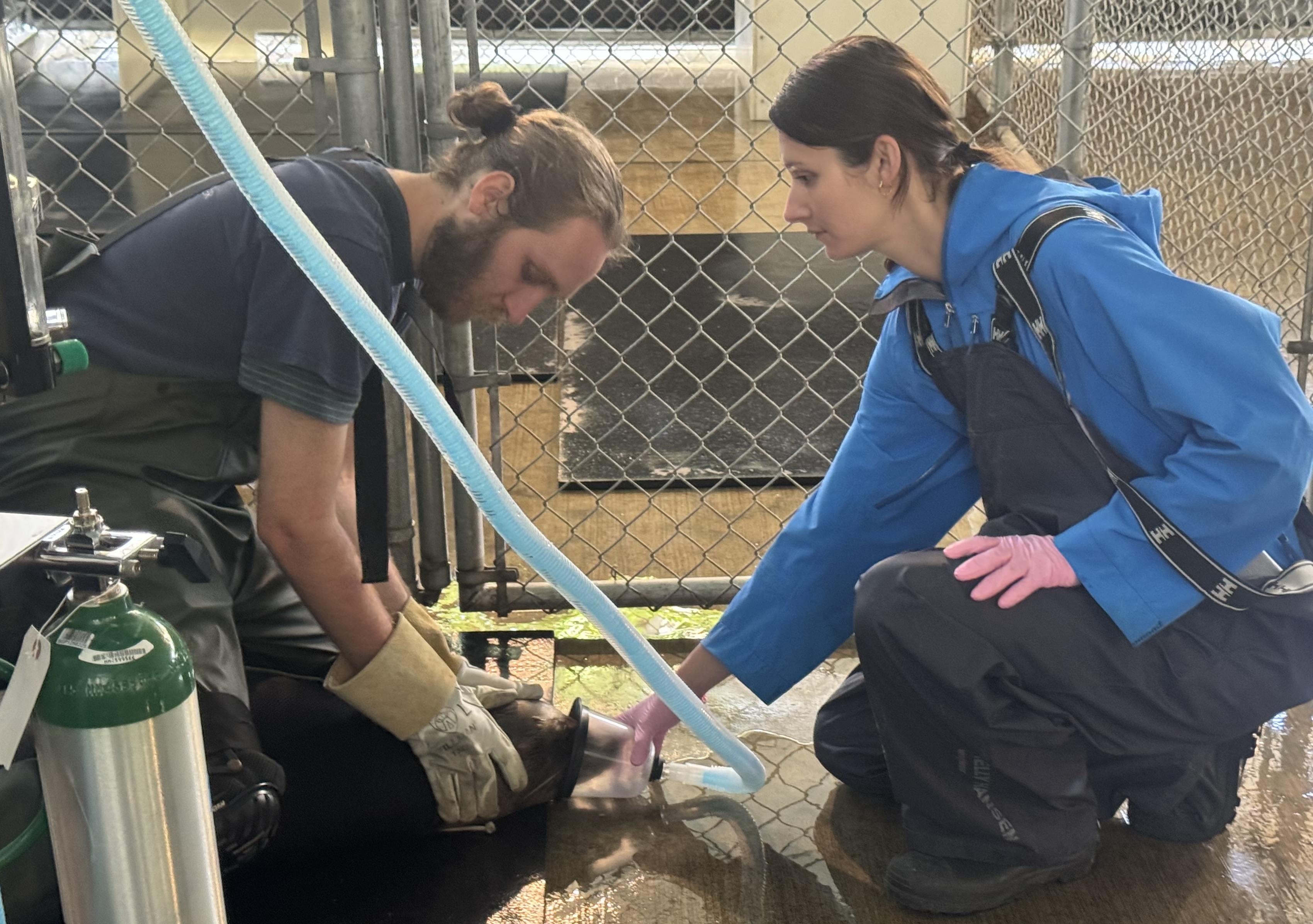
This spring, I traveled to Laguna Beach, California, to participate in a veterinary student externship at the Pacific Marine Mammal Center (PMMC). As a member of the West Coast Marine Mammal Stranding Network, PMMC is responsible for responding to marine mammal strandings along Orange County’s coastline. The center promotes ocean stewardship through animal rescue and rehabilitation, research, education, and advocacy. PMMC is authorized to respond to stranded seals, sea lions, sea turtles, dolphins, and whales. Working alongside amazing veterinarians, animal care staff, researchers, and volunteers, I had an excellent opportunity to learn about marine mammal medicine.
Rescue and Admission
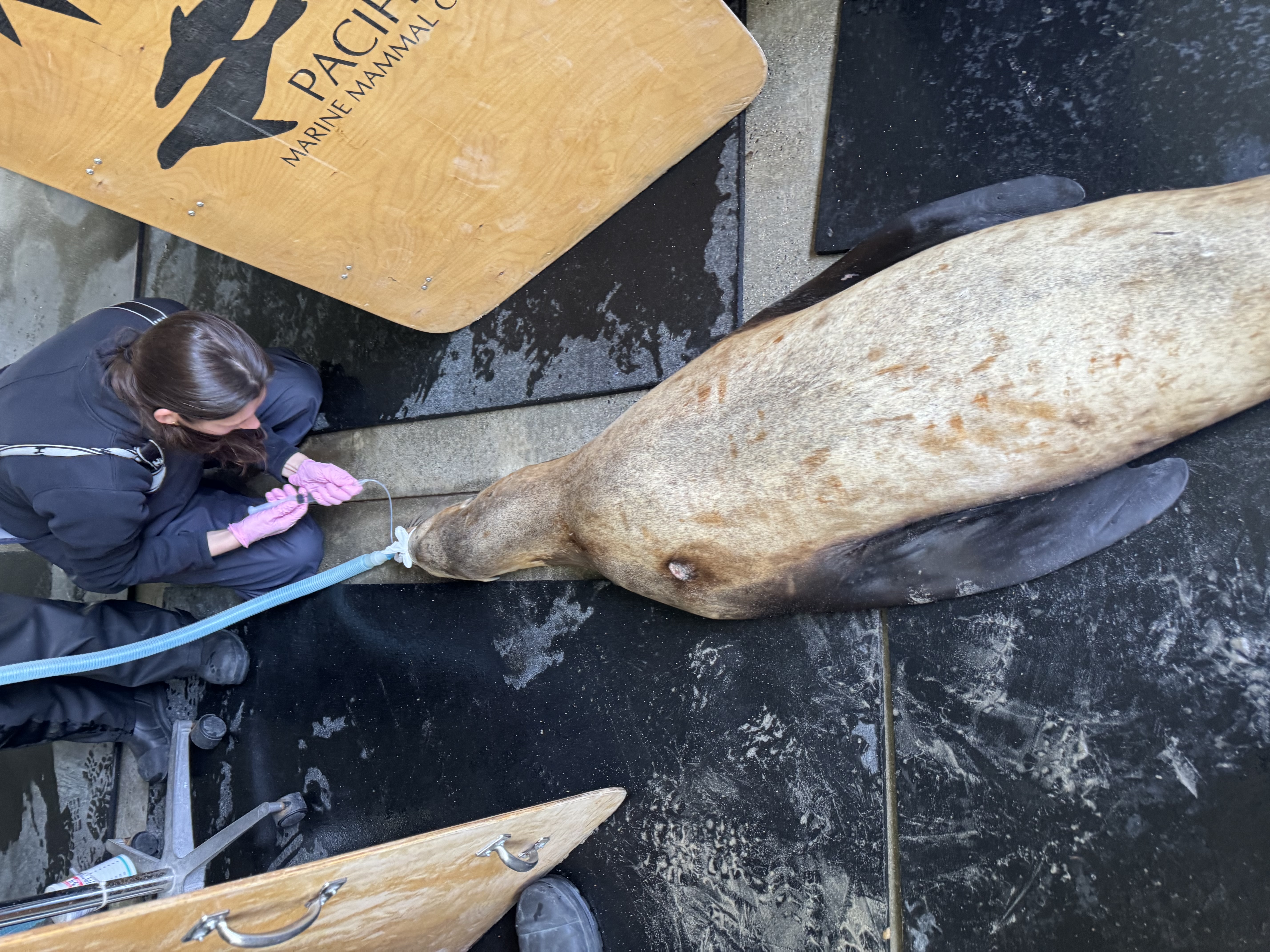
During my time at PMMC, I assisted in rehabilitating injured and ill pinnipeds. We admitted adult California sea lions, northern elephant seal pups, and a Guadalupe fur seal pup. PMMC is notified of stranded marine mammals by the public through a 24/7 rescue hotline. To determine if they can assist, PMMC requests information including the animal’s location, species, and current state. If PMMC determines intervention is appropriate, a rescue team will be dispatched. Once on site, the rescue team safely captures and transports the animal back to the center for further triage and assessment.
During admission, the animal is weighed and brought into a quarantine area for evaluation. After a visual assessment confirms the animal is stable enough to be safely restrained (with anesthesia as needed), the medical team is assembled to assess the new patient up close.
A physical examination is performed, documenting external wounds or abnormalities, the condition of the animal’s eyes, ears, nose, mouth, flippers, abdomen—along with auscultation (listening with a stethoscope) of the heart and lungs. The team also identifies the animal’s sex, measures the animal’s length (from the tip of the nose to the tip of the tail), performs nasal swabs, and collects blood, gastric contents, feces, and fur samples. In addition, the team performs other diagnostics, such as X-rays and ultrasounds, and treatments as needed. Identification tags or marks may be placed during this time. A treatment and feeding plan is then made.
Hospitalization
Common reasons animals are rescued include malnutrition, fishing gear entanglements, trauma, parasitic infections (e.g., lungworm), bacterial infections (e.g., leptospirosis), viral infections (e.g., poxivirus), toxins (e.g., domoic acid intoxication), and cancers (e.g., urogenital carcinoma).
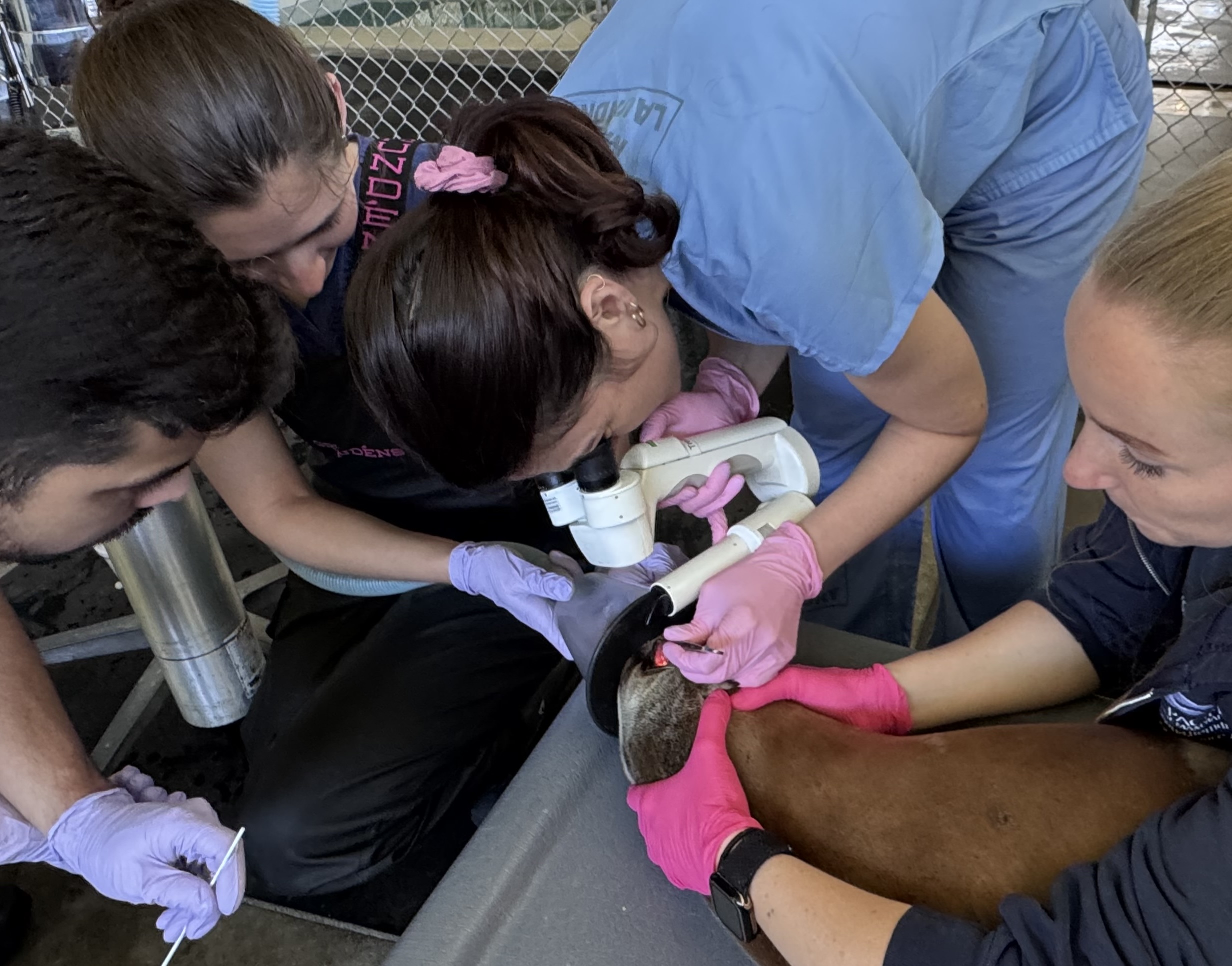
The goal of hospitalization is for each patient to reach good overall health, achieve an appropriate weight for their species and age, and demonstrate successful foraging behaviors. Achieving progress takes multistep feeding protocols and specialized treatment plans, including various therapies, medications, and sometimes surgery, depending upon the primary problem(s).
A major component of rehabilitation is to ensure that the patient is able to hydrate, feed, and forage. Feeding progressions vary by species (e.g., California sea lion vs northern elephant seal) and age. Malnourished pups and yearlings are initially tube-fed to stabilize them and to allow for gradual introduction to live fish, with whole fish and feeding competition slowly incorporated. Adults are fed fish individually with a gradual competition cascade (animals go from controlled, individual feeding to feeding in a competitive group), similar to the yearlings and pups. Select animals may also undergo live fish test feeding, particularly seals or sea lions that have stranded more than once or are experiencing physical limitations (e.g., impaired vision), which may impact their ability to hunt effectively.
Release of Rehabilitated Animals
When an animal’s weight, overall health, and foraging ability meet the release criteria, the animal is scheduled for a pre-release examination, done under anesthesia to allow for a thorough physical examination. During the exam, samples such as blood are collected, and the individual is evaluated once more for any physical abnormalities or other changes. Identification tags are also checked and reapplied if they are not present.
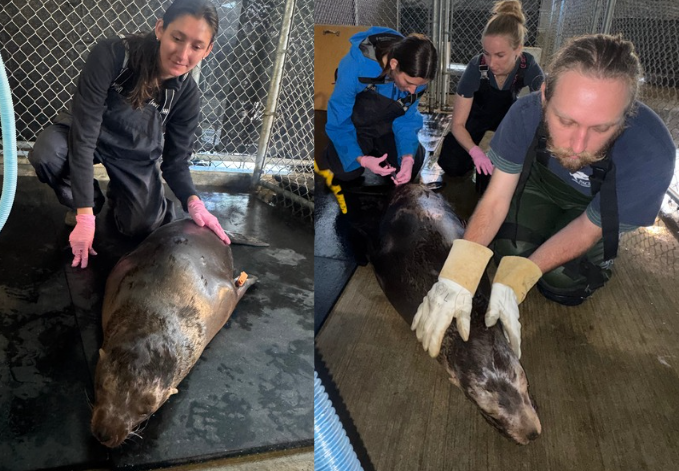
If no concerns are found during the pre-release examination, the animal must be released within 14 days. During this period, an incident action plan is created, outlining the release protocol including location, timing, and coordination. On the day of release, the animals are transported to a local beach in the early morning. Whenever possible, at least two seals or sea lions are released together. This approach supports the animals' confidence, and may improve their chances of survival by aiding in predator awareness and the finding of food.
On my second day at PMMC, I was able to see the release of four sea lions: Chump, Dami, Funnyfish, and Bernese. The animals were transported to the beach in the morning, where many volunteers and family members were waiting to see the sea lions go back into the ocean. The sea lion crates were placed in their designated spots, and the kennel doors were opened. The sea lions then galloped into the ocean together. It was very rewarding to see all the volunteers and workers watch the animals return home.
Reflections
I will never forget my time at PMMC. I learned from so many incredible people and solidified my interest in marine mammal medicine. I furthered my medical knowledge, clinical and technical skills, and understanding of marine mammal husbandry. I learned how to intubate, anesthetize, draw blood, X-ray, and ultrasound seals and sea lions. I could not have asked for a better introduction to marine mammal medicine.
Thank you to the Cornell K. Lisa Yang Center for Wildlife Health; their dedication to advancing wildlife research and conservation made this project possible. I appreciate Jake Holshuh '67, DVM '69, who sponsored this experience through the Student Support Fund. I also want to acknowledge the staff and volunteers at PMMC, especially Dr. Deming, Dr. Zotto, Malena, Cristina, Emma, Amanda, Biz, Shawn, Michele, Inno, Sophia, Julia, Alexandra, Allie, and Kelly.
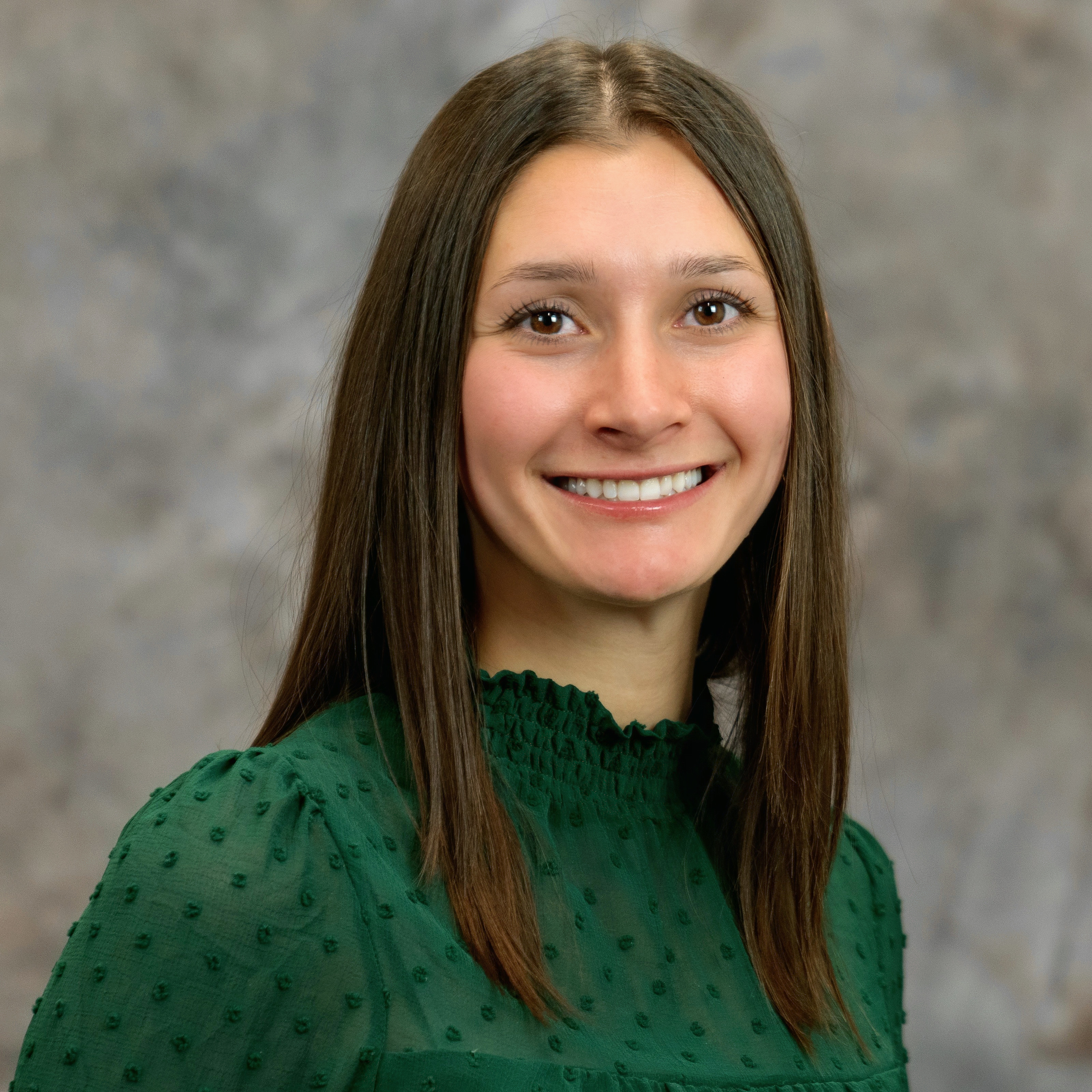
Katie Broikos, Class of 2026, is a recent graduate of the Cornell University College of Veterinary Medicine. She received a bachelor’s degree in biology and animal behavior, ecology, and conservation from the College of Arts and Sciences at Canisius University. Katie is interested in zoological and aquatic medicine and plans to pursue a career in coastal wildlife medicine.
Media provided by Katie Broikos unless otherwise noted.
Please consider giving to the Cornell Yang Center for Wildlife Health Student Support Fund to help provide more hands-on experiential learning opportunities for students passionate about wildlife health and conservation.