
Zoo and Wildlife Medicine in Australia
By Katie Broikos, DVM ‘26
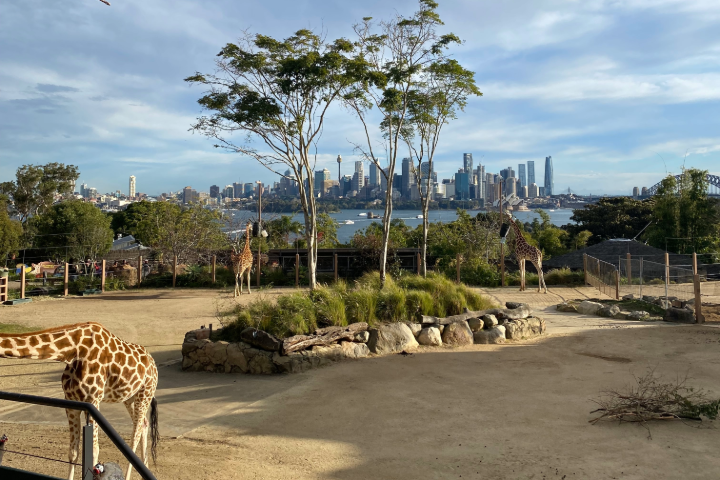
This past summer, I traveled to Sydney, Australia, to serve as a veterinary student extern at the Taronga Wildlife Hospital (TWH) located in Taronga Zoo Sydney. The zoo is part of the Taronga Conservation Society Australia, a not-for-profit organization run by the New South Wales (NSW) government. The conservation society’s mission is to secure a future for wildlife, habitats, and communities across the globe.
TWH provides care for over 350 species in the zoo’s collection, as well as an average of 125 injured and orphaned native wild animals admitted each month. During my time at TWH, I assisted with the triage, diagnosis, and treatment of sick and injured birds, reptiles, amphibians, and mammals. Working alongside eight outstanding veterinarians and numerous veterinary nurses at the hospital was an excellent opportunity to learn about both zoo medicine and Australian wildlife medicine. This unique experience was made possible by the Cornell K. Lisa Yang Center for Wildlife Health Student Support Fund.
During morning rounds, the veterinarians reviewed the daily reports from keepers and medical updates on the zoo’s animal collection. Individuals who required follow-up care, treatments, or in-person evaluations were identified. When available, the veterinary pathologist and nutritionist joined rounds to discuss relevant cases and provide updates. The team also reviewed any new diagnostic results from previous workups. After morning rounds, the clinical veterinarians divided responsibilities into three main areas: inside rounds (hospitalized collection and wildlife patients), outside rounds (zoo grounds), and procedures. This organizational structure helped with smooth coordination and communication throughout the day.
Inside rounds
The veterinarians leading inside rounds manage the care of both hospitalized collection animals and wildlife patients. We typically began with the zoo’s collection animals, reviewing each case with a veterinary nurse and discussing the patient’s condition, medications, treatments, diagnostics, and plan. We would then add any necessary treatments or diagnostics to the day’s schedule. I gained valuable experience working with species I had never handled before, including a potoroo (a small marsupial), red-lored amazons, and an echidna. I learned the specialized housing setups and dietary requirements these animals need to thrive in a hospital setting. In addition, I observed and developed safe handling and restraint techniques for various species, including a platypus and rainbow lorikeets. I also assisted with administering medications, including antibiotics, antifungals, and analgesics via subcutaneous, intramuscular, and intravenous routes, and helped perform physical examinations.
After reviewing the collection animals, the veterinarian would then go to the wildlife building and make their rounds with the wildlife veterinary nurse. We reviewed the currently admitted patients and identified those requiring treatment or further evaluation. During my time in Sydney, the wildlife hospital cared for a range of native species, including ringtail and brushtail possums, lorikeets, and green turtles. A kookaburra, a seal pup, and a sea eagle were also admitted during my rotation. The wildlife hospital receives injured and orphaned animals from across Australia, and it was rewarding to see cases progress. A little penguin, the smallest of the penguin species, arrived around the start of my externship and was successfully rehabilitated and returned to the wild during my time there. I also observed animals transitioning to outdoor rehabilitation spaces, such as three lorikeets moved to flight aviaries to prepare them for release back into the wild. In one case, I participated in the full workup of an eastern water dragon, performing its physical exam, blood collection, and ultrasound.
Outside rounds
The veterinarians responsible for outside rounds began by following up with zookeepers on animals discussed during morning rounds, particularly those needing check-ins, treatments, or assessments. We coordinated with keepers to determine the best time for further evaluation of the animal and scheduled visits accordingly. The veterinarian would then visit the exhibits to evaluate the animals and create plans. If additional diagnostics or intensive treatments were needed, the animals would be scheduled for procedures at the hospital.
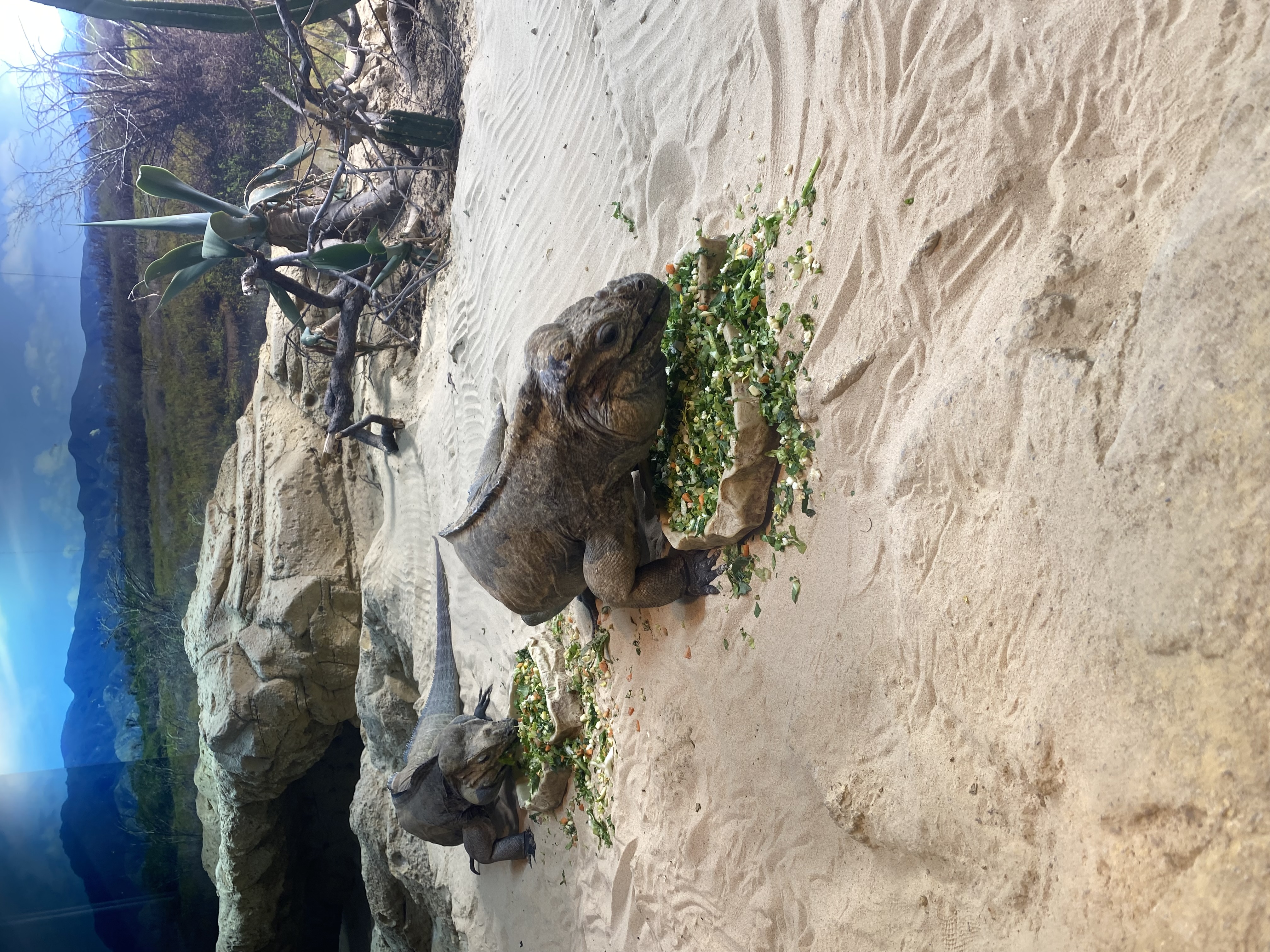
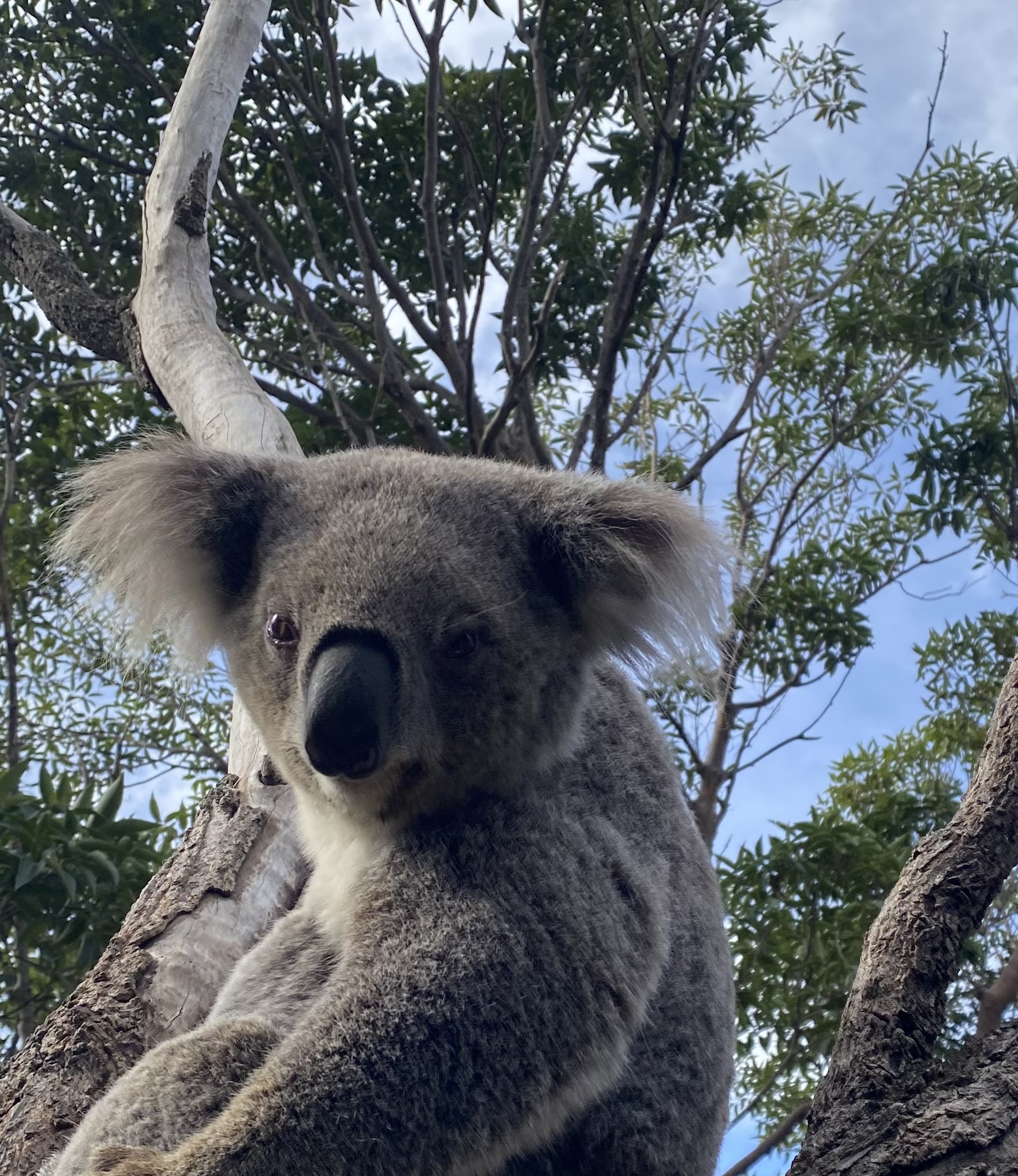
I found these outside rounds to be one of the most exciting parts of my externship. I had the opportunity to observe a wide range of animals, including greater bilbies, southern hairy-nosed wombats, alpacas, sheep, pelicans, chimpanzees, Aldabra giant tortoises, short and long-beaked echidnas, meerkats, giraffes, squirrel monkeys, a reticulated python, rhino iguanas, koalas, and a California sea lion.
It was great to go behind the scenes and work alongside keepers to investigate clinical concerns in real time. I learned that zoo medicine often requires creative problem-solving, as treatment plans must consider not only the animal’s condition, but also factors such as access to the animal, the presence of other animals, the animal’s temperament, and whether sedation is necessary to administer care. Highlights of my externship included participating in the careful immobilization of two François' langurs and a red kangaroo, where I assisted the veterinary team throughout the process, from preparing equipment to monitoring recovery in the animal habitats.
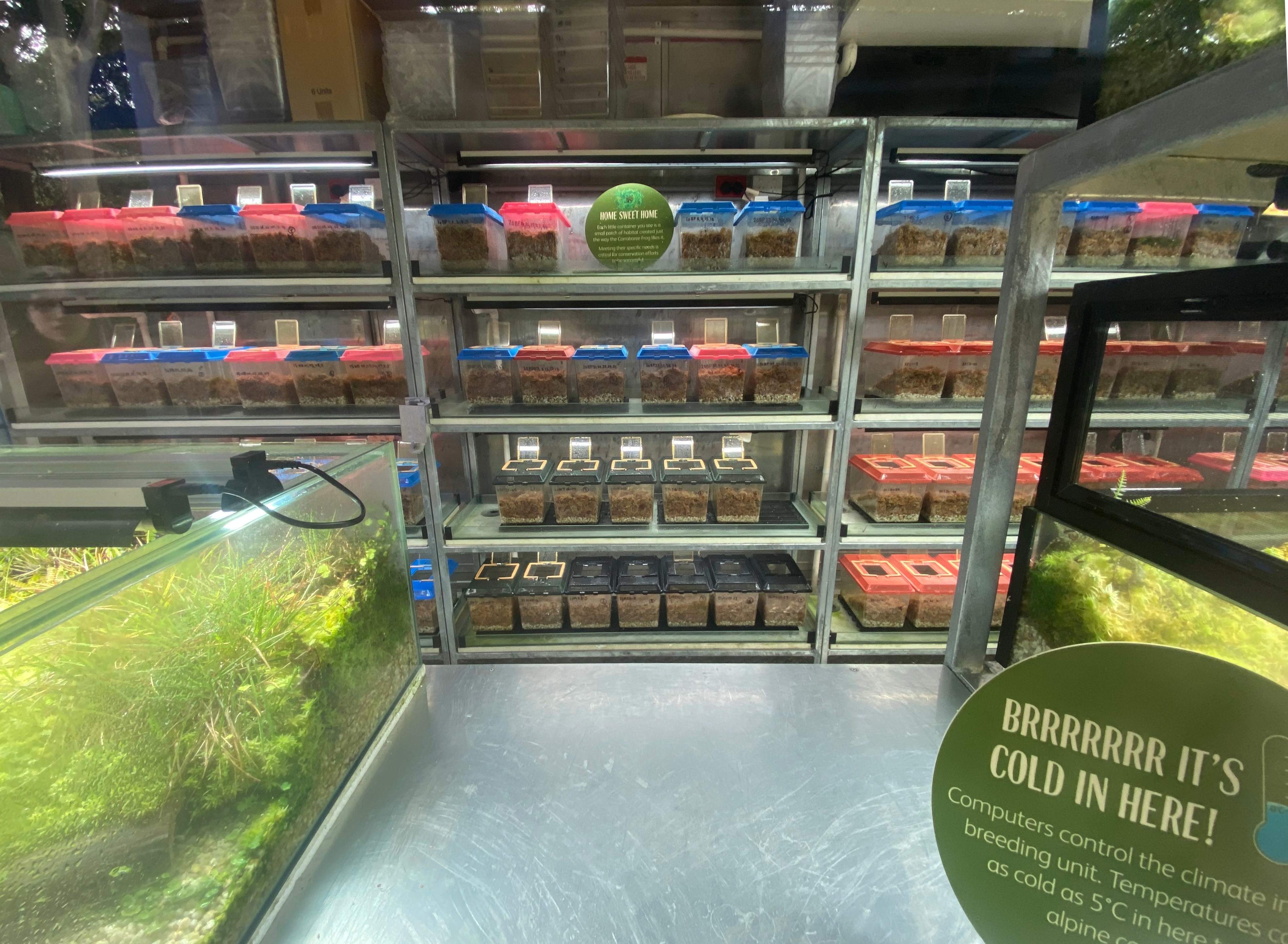
Taronga Zoo Sydney also plays a vital role in conservation programs for endangered species like the Bellinger River turtle, northern corroboree frog, and regent honeyeater. I was fortunate to work directly with each of these species, using ultrasound to check for eggs in some female Bellinger River turtles, investigating a mass in a northern corroboree frog, and assisting with physical exams, banding, and pre-release health checks of regent honeyeaters. These experiences were rewarding and gave me an appreciation for how zoo medicine contributes to conservation.
Procedures
Diagnostic imaging, such as radiography, ultrasonography, and endoscopy, as well as sample collection, including blood draws and sample analysis, were performed on the collection animals and admitted wildlife cases. Many procedures required sedation or general anesthesia, allowing for more thorough physical exams. I assisted with premedication, induction, maintenance, and anesthetic monitoring, which was a valuable experience in terms of learning to recognize normal vital sign ranges across species, from parrots to kangaroos.
Some of the procedures I observed were zebra finch metal leg-band removals, platypus foot injury repair, a swift parrot celioscopy, and a basilisk’s tail amputation along a fracture plane. During my second-to-last week, visiting ophthalmologists collaborated with the zoo’s veterinarians to evaluate and develop treatment plans for a California sea lion and a giant tortoise. The interdisciplinary teamwork was a valuable and memorable part of the experience.
Post-mortem evaluations and pathology rounds
Another aspect of my time at TWH involved performing necropsies alongside the veterinary pathologist. These post-mortem evaluations strengthened my understanding of comparative anatomy, pathology, and necropsy technique. The evaluations also improved my ability to connect clinical presentations with gross lesions. I assisted with tissue and sample collection for ancillary diagnostic testing and histopathology. My necropsy experience included cases involving species such as broad-footed marsupial mice, echidnas, wompoo fruit doves, veiled chameleons, and feathertail gliders. Additionally, I attended pathology rounds at Taronga’s Australian Registry of Wildlife Health, where they discussed, for example, investigation of an acute disease outbreak in ringtail possums and a chronic parasitic infection in a short-beaked echidna.
Reflections on my time with Taronga Wildlife Hospital
This externship was an invaluable introduction to zoo and wildlife medicine in Australia. I gained an appreciation of the critical role that zoological institutions play in conservation through reproductive management, wildlife rehabilitation, and advancements in veterinary knowledge. The experience broadened my perspective on the global impact of zoo-based medicine and furthered my interest in pursuing a career in this field.
I am especially grateful to have learned from such a knowledgeable and collaborative team. The veterinarians, veterinary nurses, and zookeepers were incredibly generous with their time and expertise, and I greatly valued their mentorship. It was a privilege to work alongside professionals from around the world and to be immersed in such a rich educational environment. My time at TWH was profoundly meaningful, and I would return in a heartbeat.
Acknowledgments
Thank you to the Cornell K. Lisa Yang Center for Wildlife Health Student Support Fund for helping to fund my externship. I also want to acknowledge the staff at TWH, especially Dr. Vinette Herrin, Dr. Gabrielle Tobias, Dr. Frances Hulst, Dr. Kresen Pillay, Dr. Michael Lynch, Dr. Phil Kowalski, Dr. Luke Glendenning, Dr. Lydia Tong, and the amazing veterinary nurses.
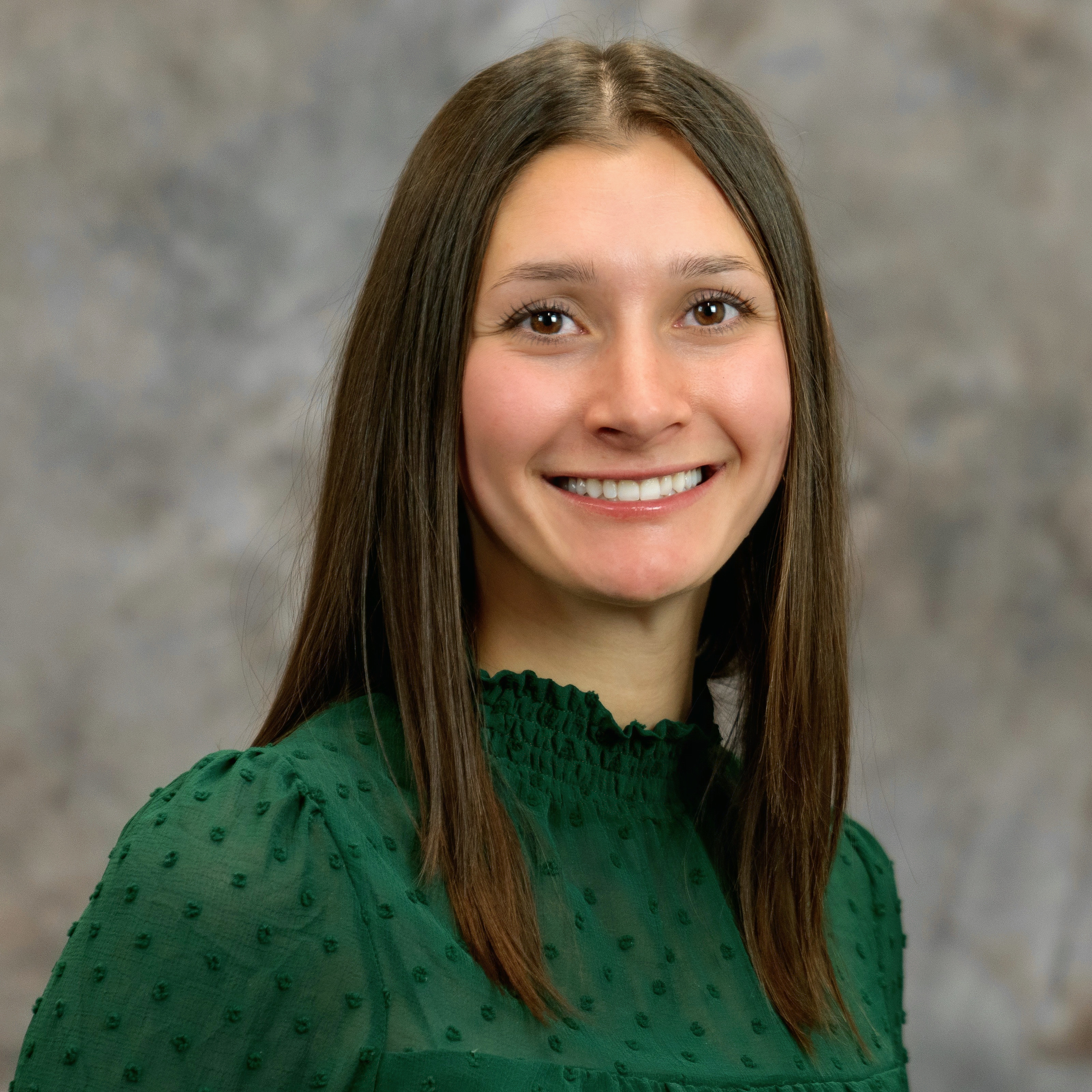
Katie Broikos, Class of 2026, is a fourth-year veterinary student at the Cornell University College of Veterinary Medicine. She received a bachelor’s degree in biology and animal behavior, ecology, and conservation from the College of Arts and Sciences at Canisius University. Katie is interested in zoological and aquatic animal medicine and plans to pursue a career in coastal wildlife medicine.
Photos provided by Katie Broikos.
Please consider giving to the Cornell Yang Center for Wildlife Health Student Support Fund to help provide more hands-on experiential learning opportunities for students passionate about wildlife health and conservation.