
Forging a Path Between Veterinary Medicine and the Ocean
By Natalia Antonsanti-Santana, DVM ’25
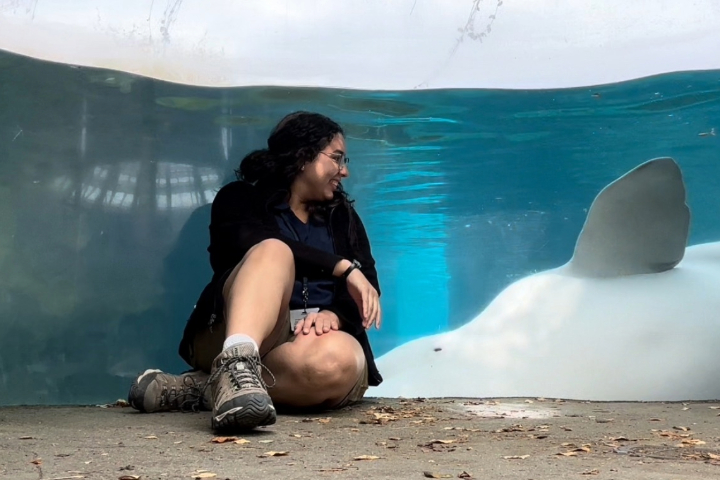
Aquatic veterinary medicine began as a dream for me, a field hidden behind the scenes, largely unknown. Still, I knew that someone was providing medical care for the animals at the zoos and aquariums I often admired and learned from throughout my life.
During my clinical year at the Cornell University College of Veterinary Medicine, I used my elective time to continue learning about aquatic medicine, a field that enabled me to combine two of my passions: veterinary medicine and the ocean. Applying what I learned in the veterinary core curriculum for small animals to a wide variety of other species allowed me to broaden my understanding of comparative medicine.
At Mystic Aquarium, I had the opportunity to develop my critical thinking skills and apply my medical knowledge, as the fundamentals of medicine remain largely applicable in this setting. However, challenges arise when much of the basic information about the species in need of care is unknown. Would this treatment work? How can we adapt it? That uncertainty is the beauty of this field. Wildlife medicine thrives on discovery, sometimes a bit of trial and error, and constant learning.
Wildlife Conservation from the Aquarium Perspective: A Day as a Veterinary Extern
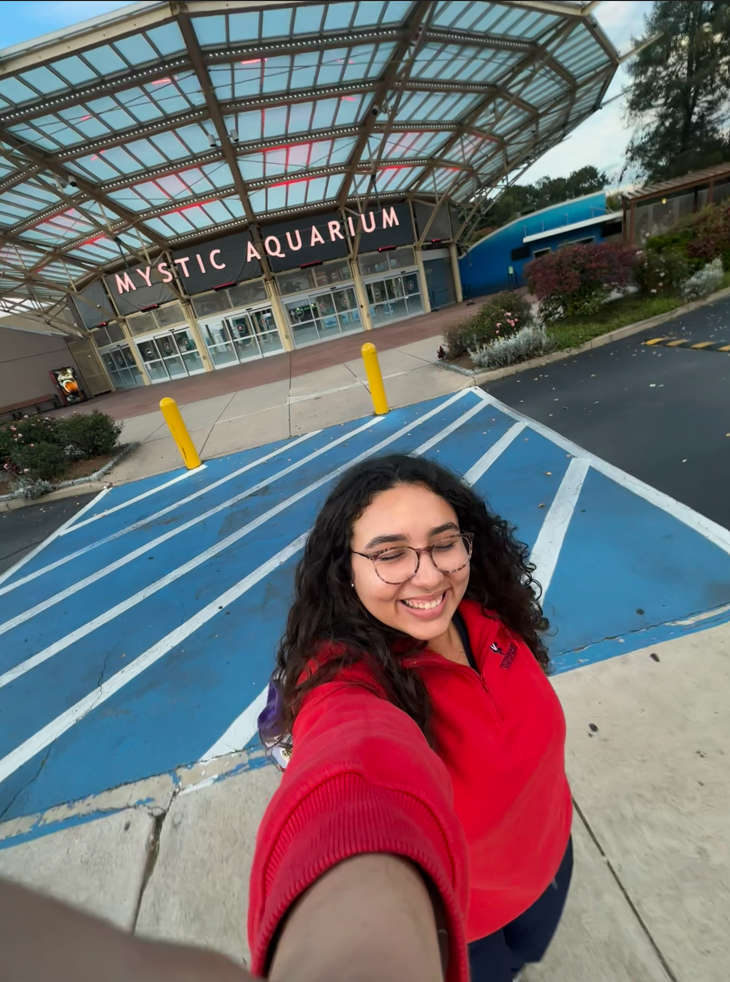
A typical day began with technician appointments, during which medications were dispensed and geriatric patients received laser therapy sessions for osteoarthritis and pain management. Then the veterinary team met to review the cases of the day, which included annual exams, sick appointments, rechecks, and desensitization sessions. With several doctors on duty, the schedule was always packed, allowing me to choose my own path through the day’s caseload.
Fish, amphibians, reptiles, and marine mammals were represented on most days, which allowed me to gain exposure to a range of species, clinical presentations, and treatment approaches. One case I became closely involved with was an Argentine black and white tegu (a species of lizard) that had been surrendered to the aquarium. Concerns included constipation, wounds, and metabolic bone disease. Intensive days followed, with daily supportive care after an attempted “unblocking” under general anesthesia, along with wound management.
Externs assisted with anesthesia administration and assisted the veterinarians in developing anesthetic protocols. Exposure to this field in such a hands-on setting helped me appreciate both the art of medicine and the importance of teamwork to ensure patient safety. I participated in anesthetic events ranging from a penguin ophthalmic exam to a seahorse wound repair. Many appointments throughout the day involved preventative care—for example, annual exams on sharks, thoracic ultrasounds in beluga whales, and routine bloodwork in seals.
Desensitization and Behavior Training
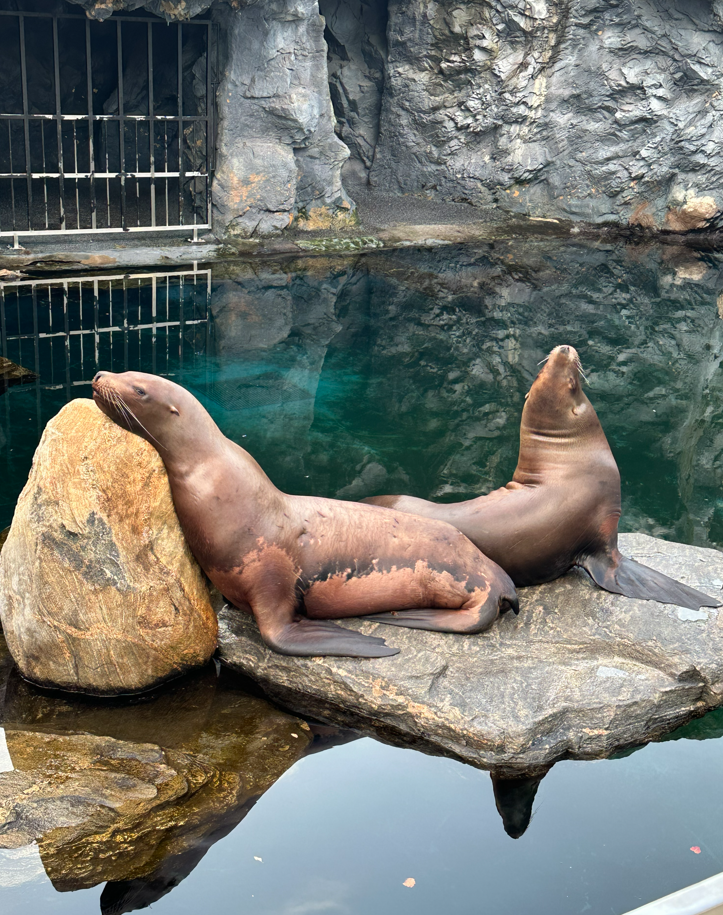
Another common type of appointment was for desensitization sessions. At Mystic Aquarium, I participated in daily sessions with marine mammals, including belugas, seals, and sea lions. These sessions introduced animals to novel stimuli in a controlled and positive way, promoting fear-free interactions with the veterinary team. Through this process, many animals learned to voluntarily participate in physical exams, blood draws, ultrasounds, and even to blow into petri dishes for research purposes. I assisted in venipuncture and ultrasound training sessions, and sometimes participated in desensitization through feeding routines.
In each session, I was continually impressed by the trainers' bond with the animals. Their use of positive reinforcement and clear, consistent communication revealed not only the complexity of animal behavior but also the deep dedication required to foster such trusting relationships—relationships that are essential to high-quality zoological care.
Environmental and Clinical Research
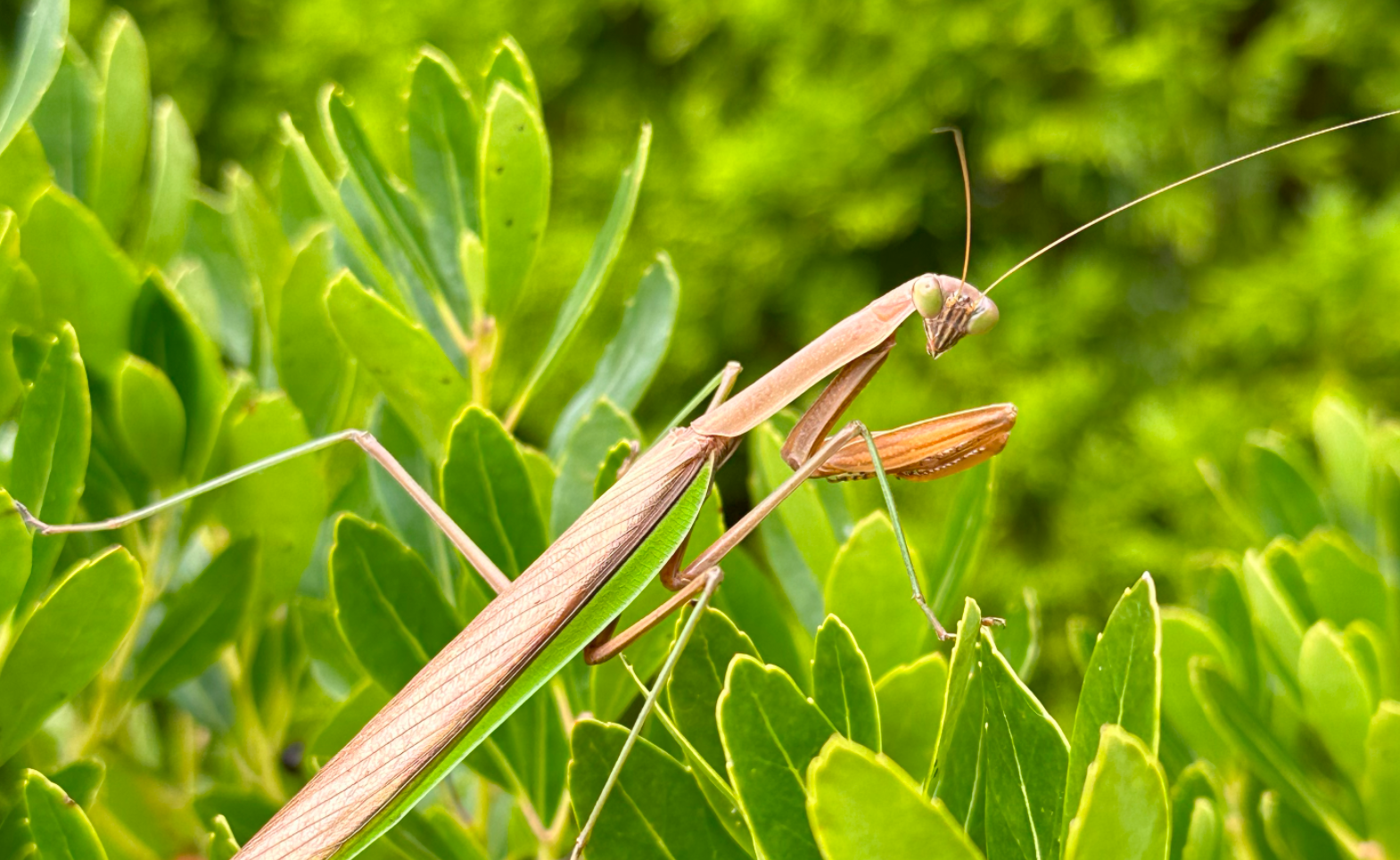
Another key component of high-quality zoological care is environmental and clinical research. As part of my externship, I worked on a project to identify plants growing around open exhibits. Why? In the aquarium’s open habitats and enclosures, animals—especially the belugas and seals—had access to these plants, which provide a naturalistic environment for the animals. As I walked between the veterinary offices, exhibits, and hospital, I mapped and photographed the plants (and occasionally the little creatures I would find along the way!) to identify them and assess them for any possible concerns.
The Three R’s: Rescue, Rehabilitation, and Release
Mystic Aquarium’s Animal Rescue Program (ARP) is dedicated to rescuing, rehabilitating, and releasing/relocating stranded animals along the coast of Connecticut and its surrounding states. This program works closely with government agencies and several other stranding networks to respond to calls.
During my externship, I assisted with the rare case of a hooded seal—a species native to Arctic waters—that had stranded nearby and was debilitated and underweight. Radiographs showed significant rock ingestion, which was treated with supportive care. Days later, the seal began passing the rocks and gradually improved. Eventually, the seal was released up north.
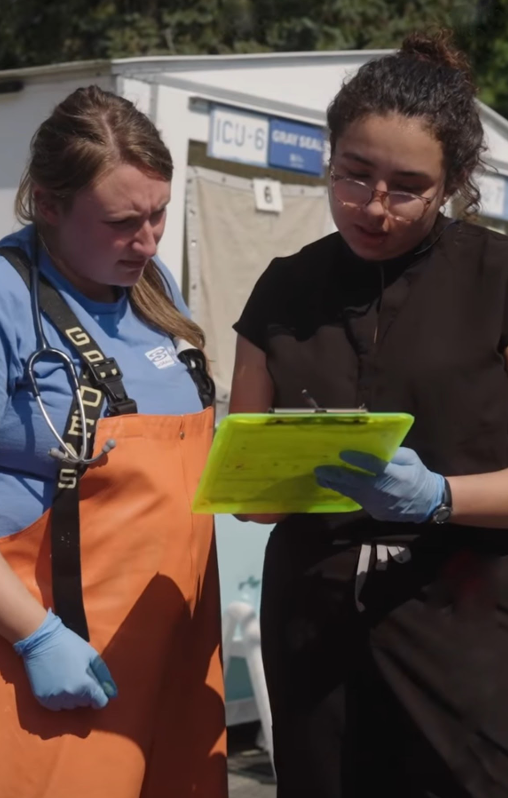
Another common patient group seen by the ARP was cold-stunned sea turtles, especially Kemp's ridleys, the smallest and most critically endangered of the sea turtle species. At the time, four turtles were still in rehabilitation from the previous winter season. Cold-stunning, caused by prolonged exposure to cold water, leads to a significant drop in metabolic rate and a weakened immune system, leaving sea turtles vulnerable to multisystemic syndromes and diseases, including osteomyelitis and pneumonia. Critical care for these patients includes controlled warming, rehydration, antibiotics, and diagnostics—all of which the Mystic Aquarium and other organizations are authorized to provide.
Through networking and collaboration with various organizations, I also attended a whale necropsy in Massachusetts. Assisting in tissue collection and sampling provided me with a deeper understanding of the value necropsies bring to the field. Every interaction we have with animals, whether alive or deceased, offers an opportunity to learn.
Reflections and Gratitude
One of the reasons I aspired to complete externships in aquaria was to explore the extensive possibilities offered by a career in aquatic medicine. At Mystic Aquarium, I had the opportunity to explore clinical medicine, research, rehabilitation, behavioral science, and pathology in an institution whose mission is to “inspire people to care for and protect our ocean planet through conservation, education, and research.” I could not be more grateful for the people I met along this journey and the learning opportunities I had. Thank you to the veterinary team at Mystic Aquarium and to all the animal care and husbandry staff for being a constant source of inspiration and for making ocean conservation accessible.
Thank you to the Cornell K. Lisa Yang Center for Wildlife Health for providing the financial assistance and support for this externship, which enabled me to continue growing in this field. I look forward to promoting aquatic animal health as I work toward becoming a veterinary professional dedicated to conservation and One Health, continuing to forge that connection between veterinary medicine and the ocean.
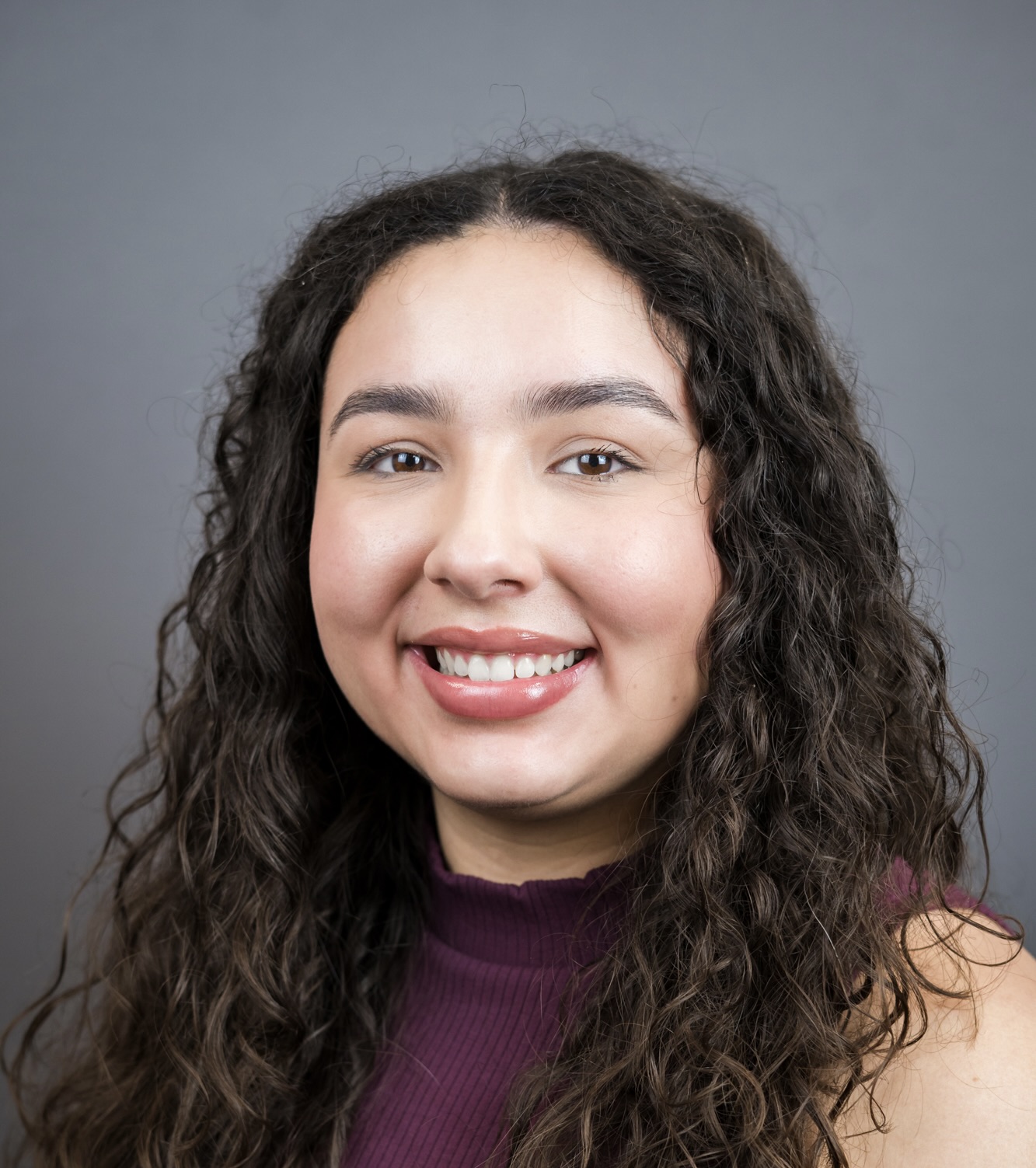
Natalia Antonsanti-Santana, DVM ’25, recently graduated from Cornell University’s College of Veterinary Medicine. She has an interest in aquatic and tropical wildlife medicine. She holds a Bachelor of Science in Biology from the University of Puerto Rico at Bayamón and intends to return to Puerto Rico after completing further training to pursue her career in this field.
All photos provided by Natalia Antonsanti-Santana.
Please consider giving to the Cornell Yang Center for Wildlife Health Student Support Fund to help provide more hands-on experiential learning opportunities for students passionate about wildlife health and conservation.