
Wildlife Conservation Through a Pathologist’s Lens
By Kieran Koch-Laskowski, PhD ’23, DVM ‘26
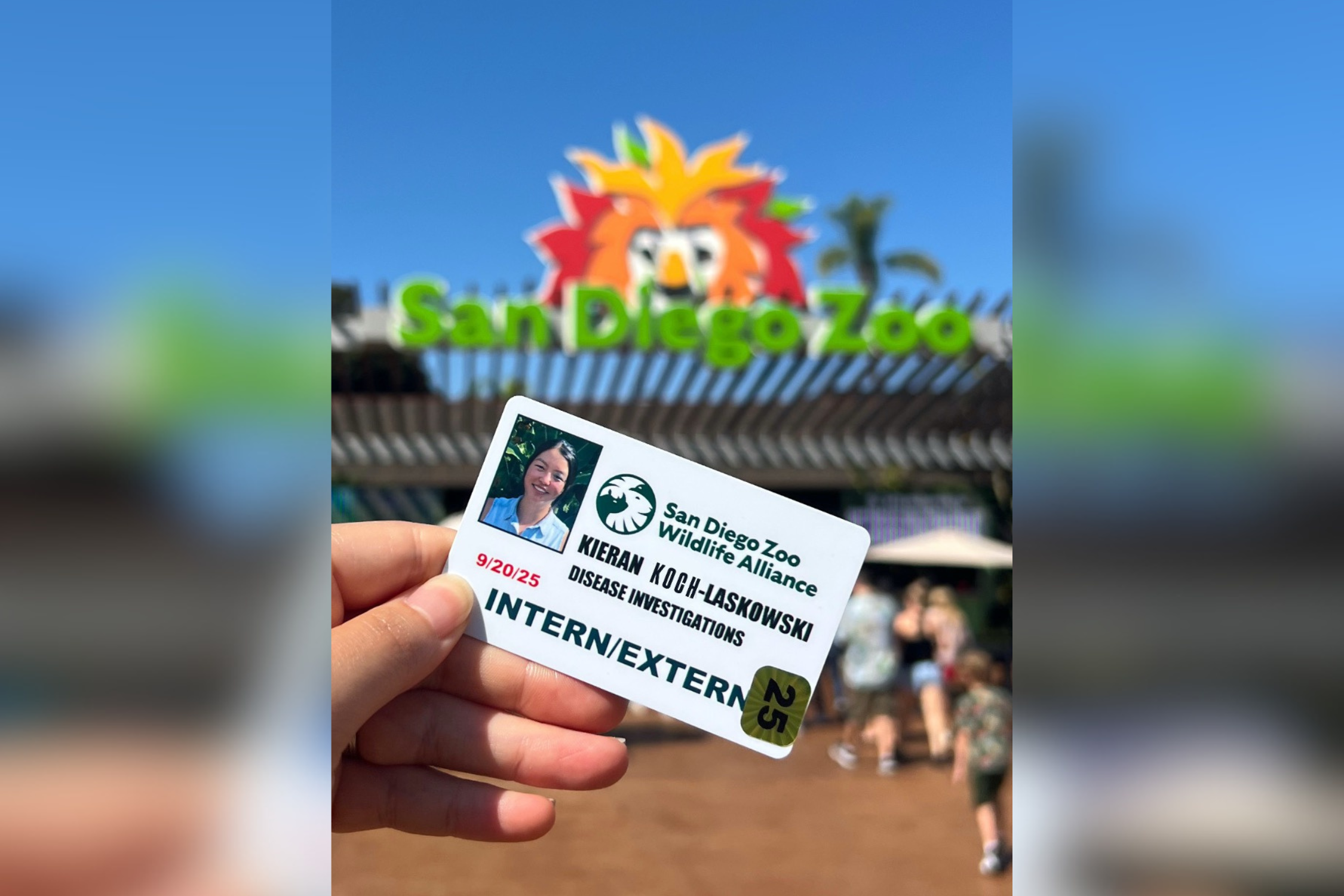
Joining the Alliance in San Diego
During my clinical rotations, I had the opportunity to extern with the Disease Investigations team at the San Diego Zoo Wildlife Alliance (SDZWA). From southern California to distant continents, SDZWA leverages its expertise in wildlife care, conservation science, and education to help save species around the globe. At the San Diego Zoo and the San Diego Zoo Safari Park, SDZWA cares for thousands of animals representing hundreds of rare and endangered species. When an animal succumbs to illness or inevitably reaches the end of its life, the Disease Investigations team is there to determine why. As a Disease Investigations extern, I worked with a team of veterinary pathologists and research associates to learn firsthand how studying the cause of death in an individual animal can help improve the health and welfare of the remaining population.
A Day in the Life of a Zoo & Wildlife Pathologist
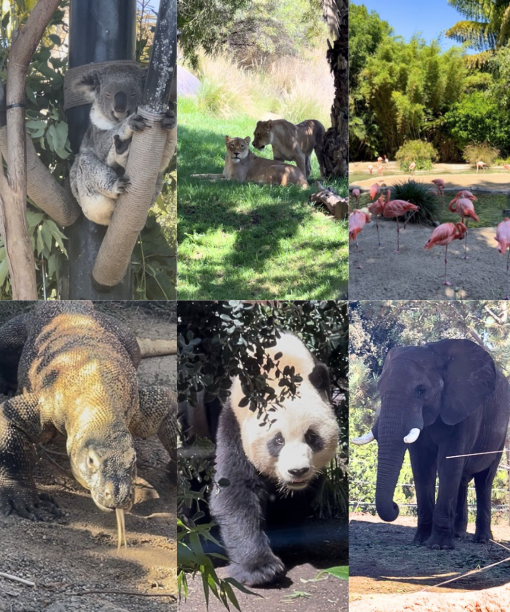
Upon arrival to work each morning at the historic Ellen Browning Scripps Building (the original site of the San Diego Zoo’s veterinary hospital), I was presented with animals from the San Diego Zoo or Safari Park that had recently died or had been humanely euthanized for medical reasons. It’s the job of the Disease Investigations team to perform a systematic post-mortem examination, or necropsy, on every such animal. Each case posed its own mystery to solve and offered an immersive learning experience into the natural history, anatomy, and physiology of that species.
From carnivores to ruminants, birds to amphibians and reptiles, and even invertebrates, each species required application of the same basic underlying principles (but the physical work involved in the necropsy of an over 200-kilogram waterbuck was admittedly different from what it took to examine a 20-gram Lord Howe Island stick insect). Every case required a standardized process to identify gross lesions, and to then collect tissues or other samples for further analysis and archiving (many of the tissue samples we archived contributed to SDZWA’s Frozen Zoo, an impressive biodiversity biobank!).
One of my favorite aspects of pathology is diving into how diseases manifest at the cellular and molecular levels. By examining necropsy samples under the microscope, through cytology and histopathology, I learned how zoo and wildlife pathologists determine the cause of death in an animal based on abnormal tissue patterns, identification of pathogens, or, oftentimes, a combination of factors.
One of my necropsy cases involved a bird covered with multiple wart-like masses. By sampling the skin lesions and examining them under the microscope, I observed a proliferation of cells with viral inclusions—cellular changes characteristic of avian poxvirus infection. This process of piecing together a morphologic diagnosis from a post-mortem exam paired with microscopic findings from histopathology deepened my appreciation for the field of pathology and its broad application across species.
After a diagnosis is made based on necropsy, histopathology, and other ancillary tests, a case is not complete until the findings are documented. Pathologists use very precise language to describe lesions as accurately and succinctly as possible, allowing others to envision the findings as if they were involved in the case themselves. For each necropsy I performed, I practiced writing a gross report under the guidance of the head pathologist.
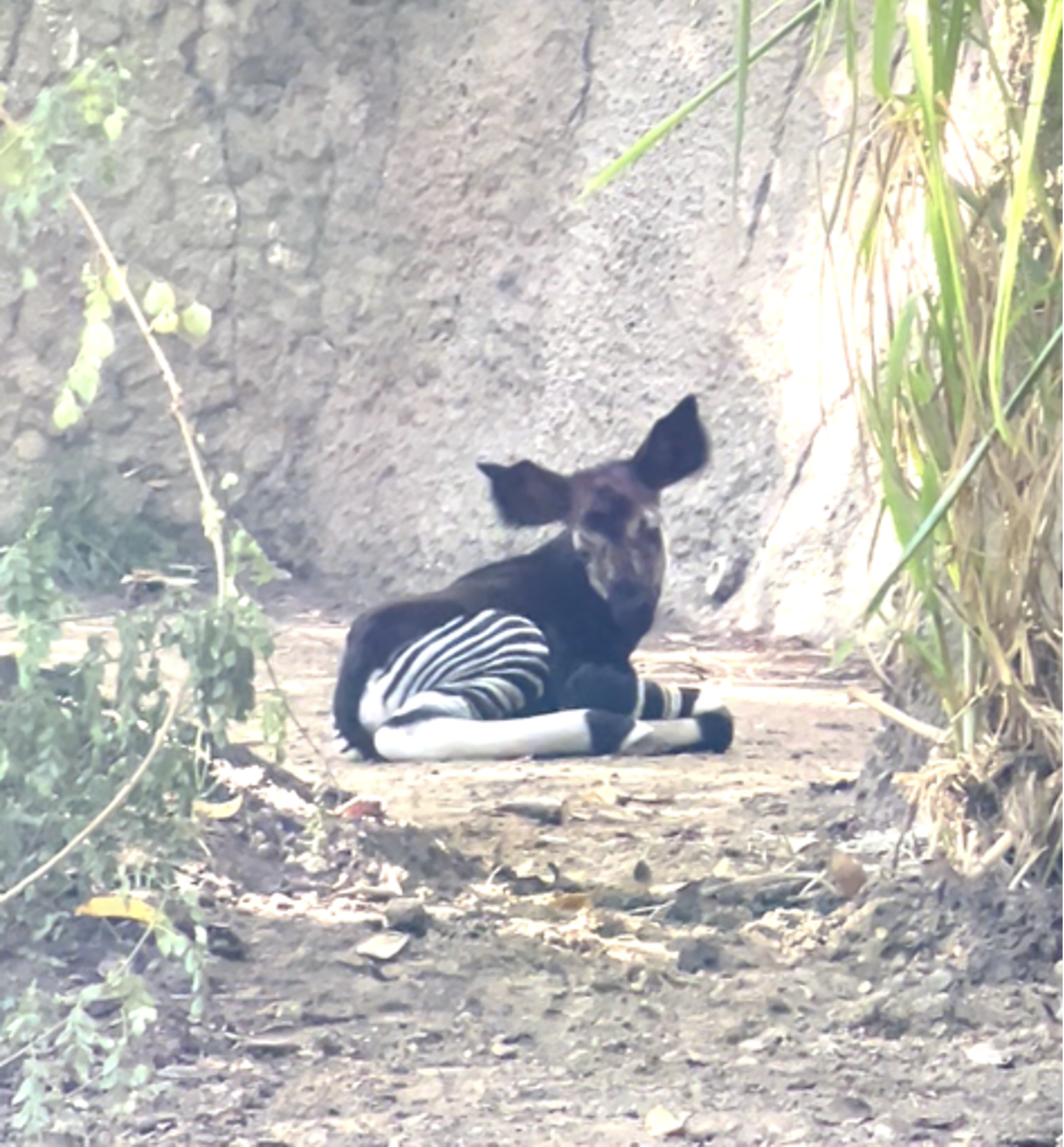
By compiling reports and studying trends in cases over time, the Disease Investigations team can monitor for disease outbreaks, inform better protocols for disease prevention, and even discover emerging pathogens or previously undescribed disease processes. One way to accomplish this is through a morbidity and mortality review. For my externship project, I retrospectively surveyed post-mortem reports from SDZWA’s okapi population and identified pathologies ranging from common changes associated with aging to rarely reported cardiovascular and renal abnormalities that merit further research to improve okapi conservation.
Another way veterinary pathologists contribute to wildlife conservation is through collaboration with their clinical counterparts. During weekly rounds, I enjoyed seeing the Disease Investigations team share their expertise with the Zoo’s and Safari Park’s clinicians and wildlife care staff to put their mission statement into action: “removing disease as a roadblock to conservation.”
The Path Towards Pathology
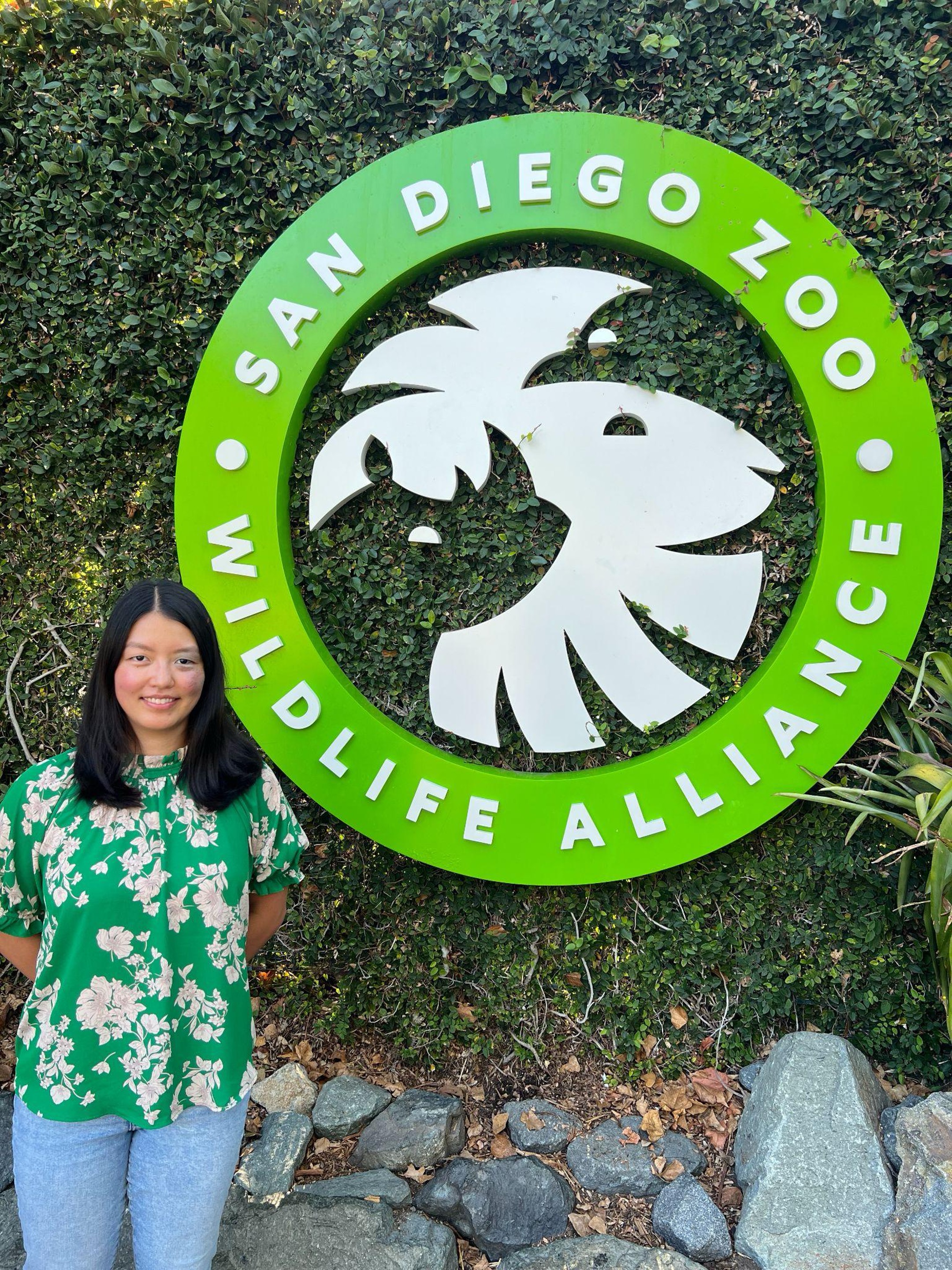
My externship with SDZWA highlighted the importance of multidisciplinary approaches to wildlife conservation. Saving species requires an array of experts, including wildlife veterinarians, pathologists, conservation scientists, ecologists, public health experts, educators, and many more. Working with the Disease Investigations team solidified my passion for zoo and wildlife pathology and reaffirmed my professional goal: to help advance conservation efforts as a veterinary pathologist.
Throughout my externship, I had the privilege of learning from board-certified veterinary anatomic pathologists and resident pathologists in training at SDZWA. I am grateful to the Cornell K. Lisa Yang Center for Wildlife Health for generously supporting my externship through their Student Support Fund, without which my journey from Ithaca to northern and southern California would not have been possible. I am especially thankful, as this experience has led me to accept a residency position with Cornell University’s anatomic pathology training program, which I am incredibly excited to begin upon completing veterinary school.
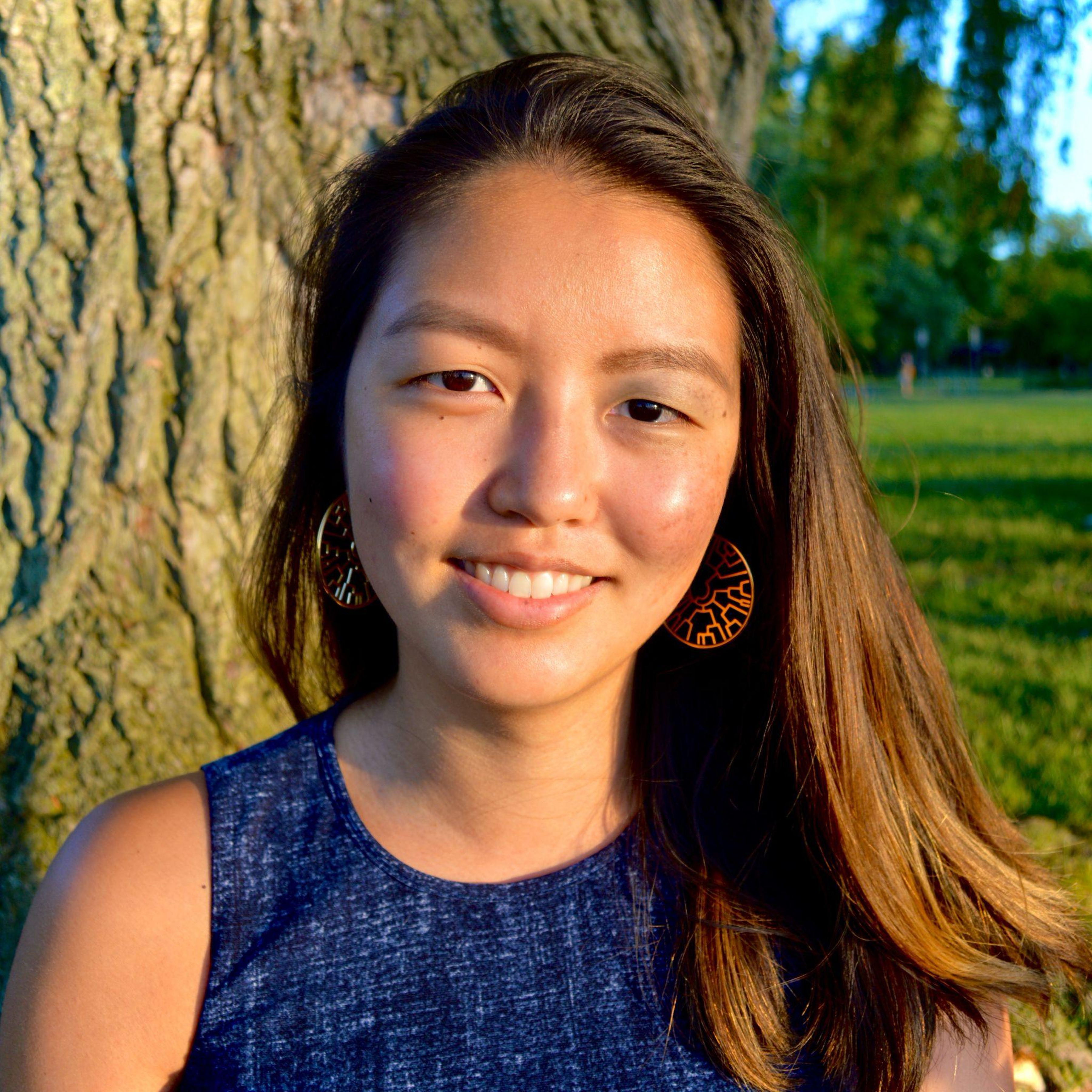
Kieran Koch-Laskowski is a combined DVM/PhD student from Cornell University’s College of Veterinary Medicine. She completed her PhD in physiological genomics and metabolic diseases in 2023. Upon completion of her DVM in 2026, she will join Cornell University’s veterinary anatomic pathology training program as a resident. She aims to pursue a conservation-focused career in zoo and wildlife pathology.
Photos provided by Kieran Koch-Laskowski.
Please consider giving to the Cornell Yang Center for Wildlife Health Student Support Fund to help provide more hands-on experiential learning opportunities for students passionate about wildlife health and conservation.