
Saving Hawaiʻi’s Native Birds: The Intersection of Veterinary Medicine and Wildlife Rehabilitation
By Claire Chiang, DVM ‘27
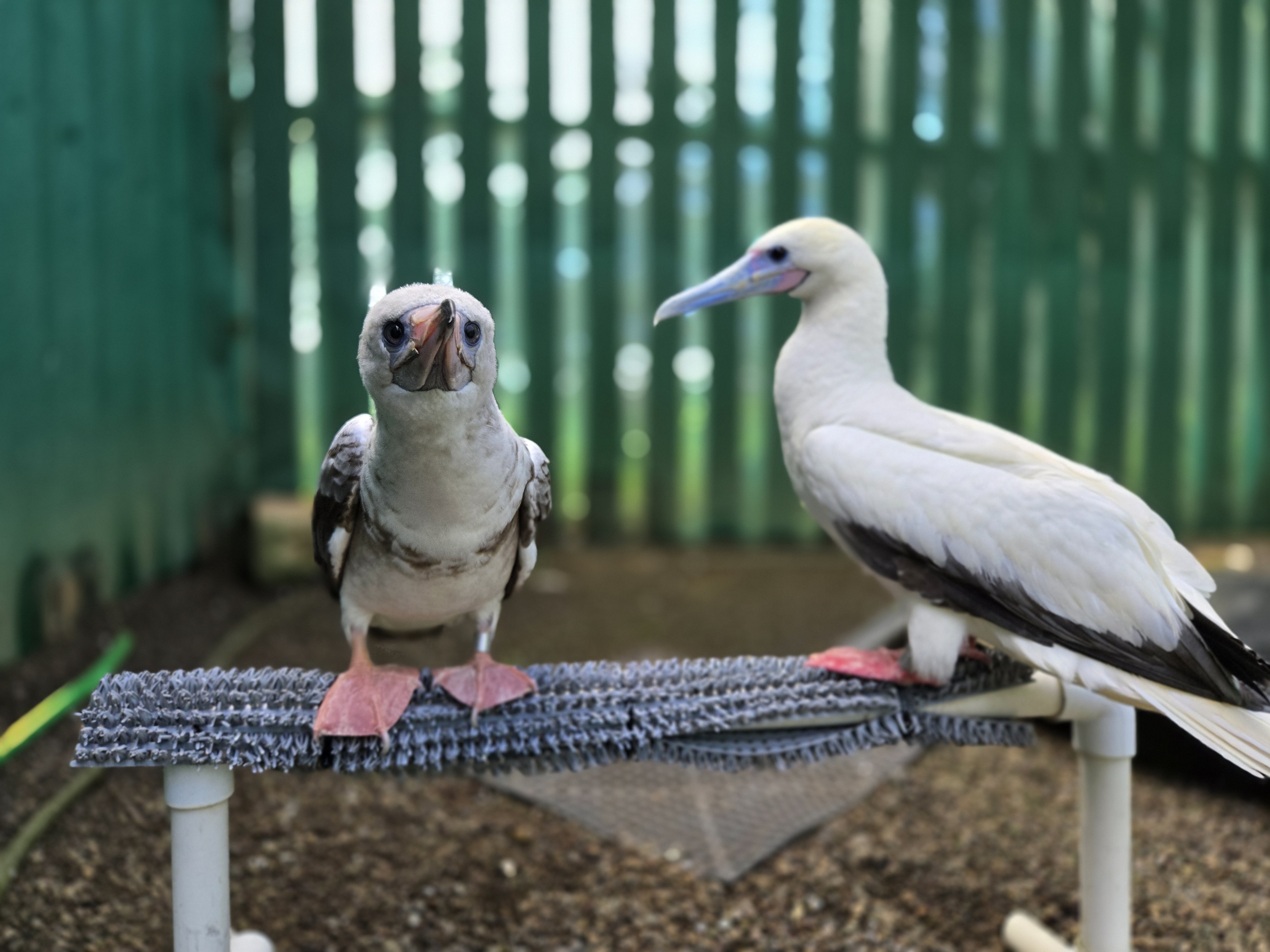
Hawaiʻi Wildlife Center’s Conservation Mission
I had the amazing opportunity to complete a four-week veterinary externship at the Hawaiʻi Wildlife Center (HWC) on the island of Hawaiʻi (also known as the “Big Island”). The center provides medical care and rehabilitation for native avian and bat species found across all the Hawaiian Islands (with cases from across the state being brought to the HWC for its expert care).
Invasive (non-native) species have long threatened native bird populations, which lack natural defenses against introduced predators. By aiding native avian species, HWC has become a leader in wildlife health and conservation across the islands. My goal was to expand my knowledge and experience regarding the veterinary care of wild birds, notably seabirds, and to explore the benefits of a combined wildlife hospital and rehabilitation center.
From Intake to Release
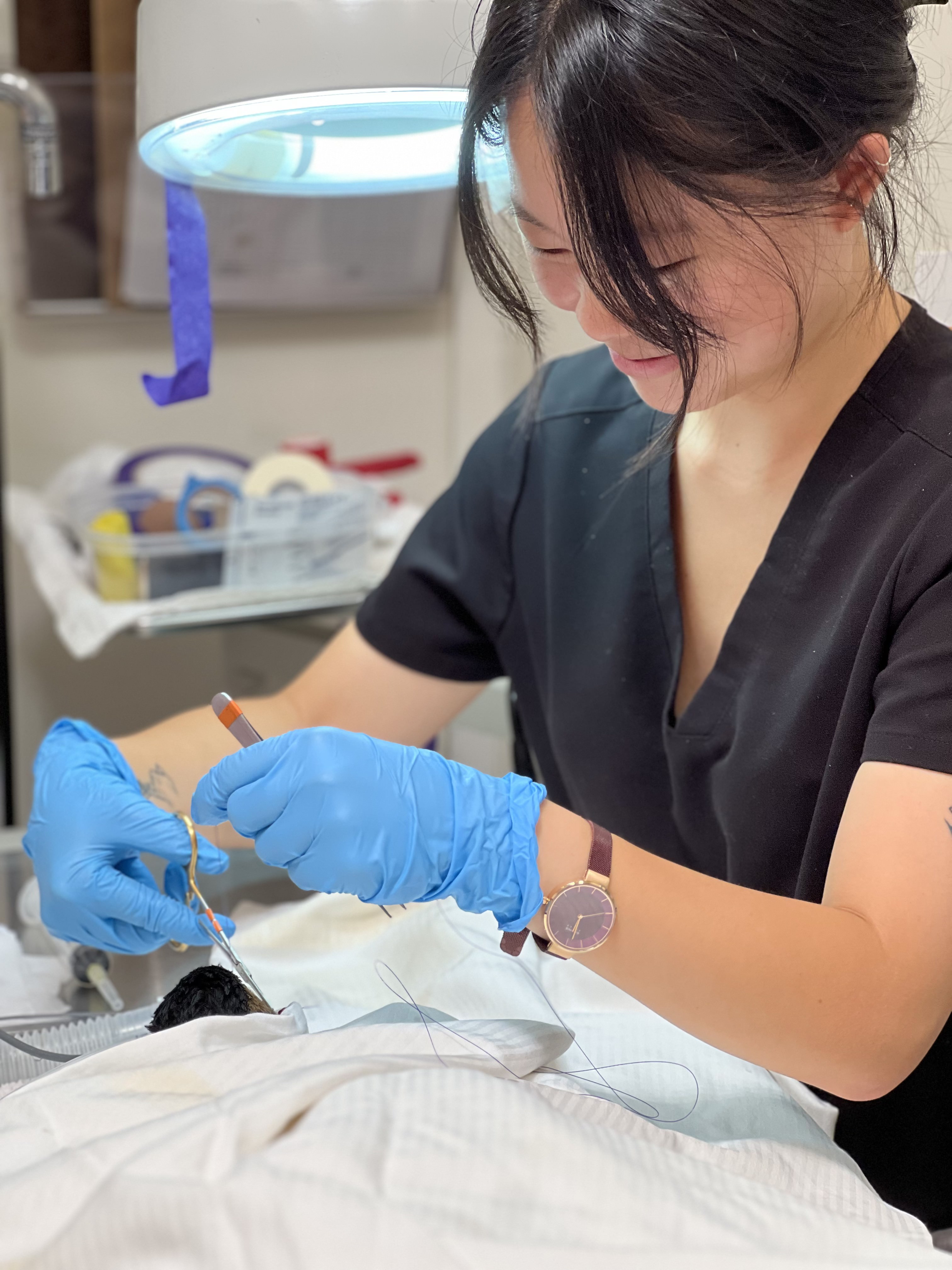
At HWC, I had the chance to work with a variety of species, including but not limited to shearwaters, white terns, Hawaiian geese, noddies, short-eared owls, albatross, frigatebirds, and red-footed boobies. Each new patient underwent an intake exam performed by the team, which included head veterinarian Juan Guerra, DVM ’13, and several technicians. Being involved in and eventually leading intakes allowed me to practice my physical exam skills on a variety of avian species. After intake, point-of-care bloodwork was commonly performed, along with other necessary diagnostics, such as radiographs, to determine an individualized treatment plan.
Many patients required surgical intervention. I was able to practice a tibiotarsal fracture repair on a nene (Hawaiian goose) using pins and a makeshift external fixator constructed from a polyester mold to hold the pins in place. The procedure included taking multiple radiographs to assess the fracture alignment and pin placement. These pins were placed perpendicular to the length of the tibiotarsus, with two pins placed on either side of the fracture due to the small bone size of the species. Working on this repair under Dr. Guerra’s guidance taught me what to consider when performing avian fracture repairs with limited resources.
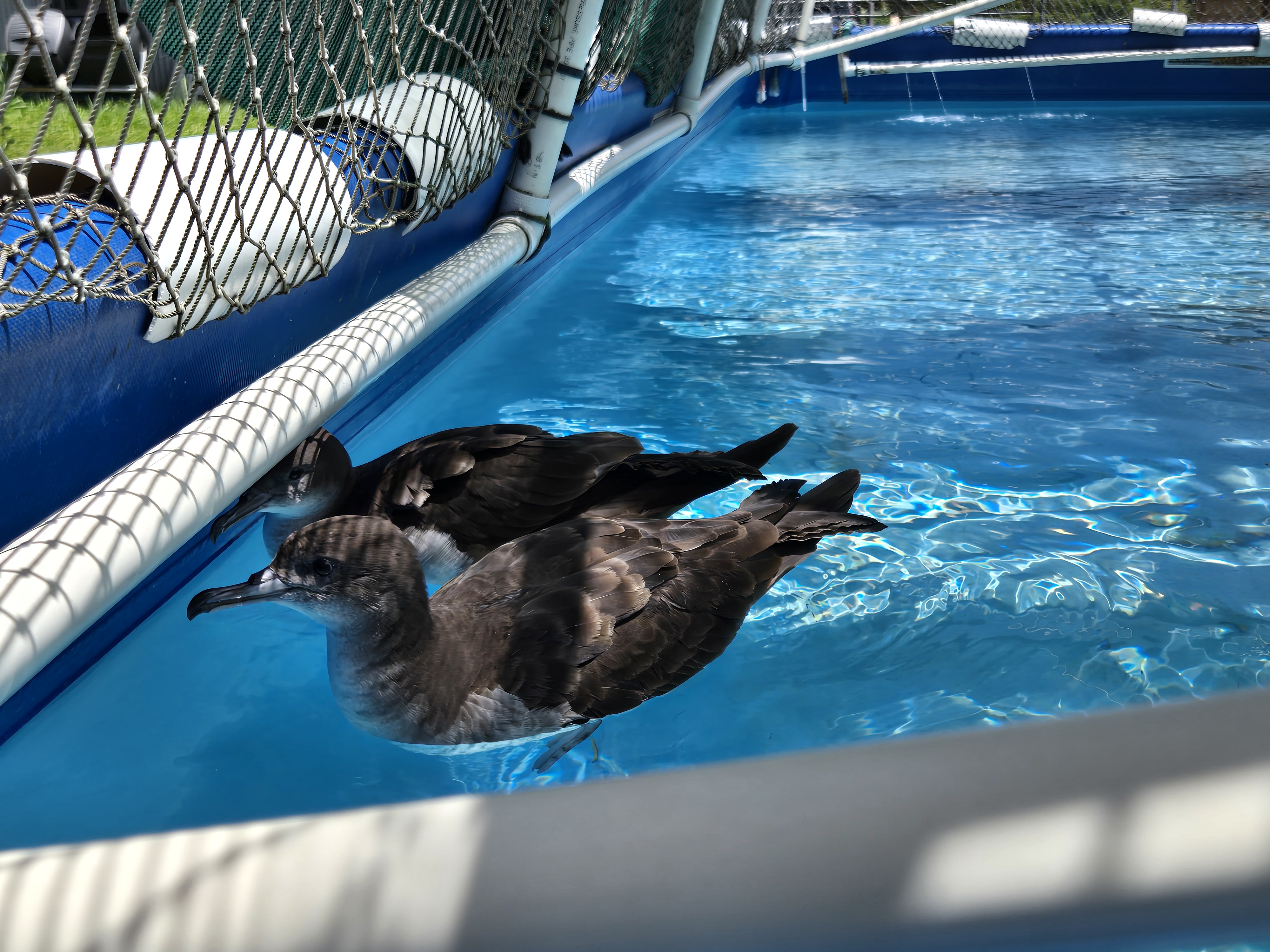
Birds that received medical care were housed at the center for rehabilitation until their release. Common rehabilitation practices included physical therapy to improve flight and consistent misting to restore waterproofing—both essential for the recovering seabirds. Seabirds are placed in outdoor pools and other species are housed in large enclosures to encourage natural behaviors. During my time at HWC, one white tern required a bath in buckets of diluted dish soap to remove oil and improve waterproofing.
Reflecting on my Experience
The four weeks I spent at the Hawai’i Wildlife Center expanded my knowledge of both the medical and husbandry aspects of seabird management, including the use of pools and flap tests to assess waterproofing and flight symmetry. During release, members of the public gathered on the beach were always curious about the birds and expressed gratitude to the staff for their work in helping these species. Seeing the impact on the people of Hawai’i was incredibly rewarding. The opportunity to see how medicine and rehabilitation work together—from intake to release—broadened my experience across the multiple phases of patient recovery.
I would like to thank Dr. Juan Guerra, the technicians, and the outreach staff at HWC for their willingness to welcome me to their clinic and share their expertise. My experience would not have been possible without the generous financial support of the Cornell K. Lisa Yang Center for Wildlife Health Student Support Fund and Dr. Keila Dhondt, my faculty advisor at the Cornell University College of Veterinary Medicine.
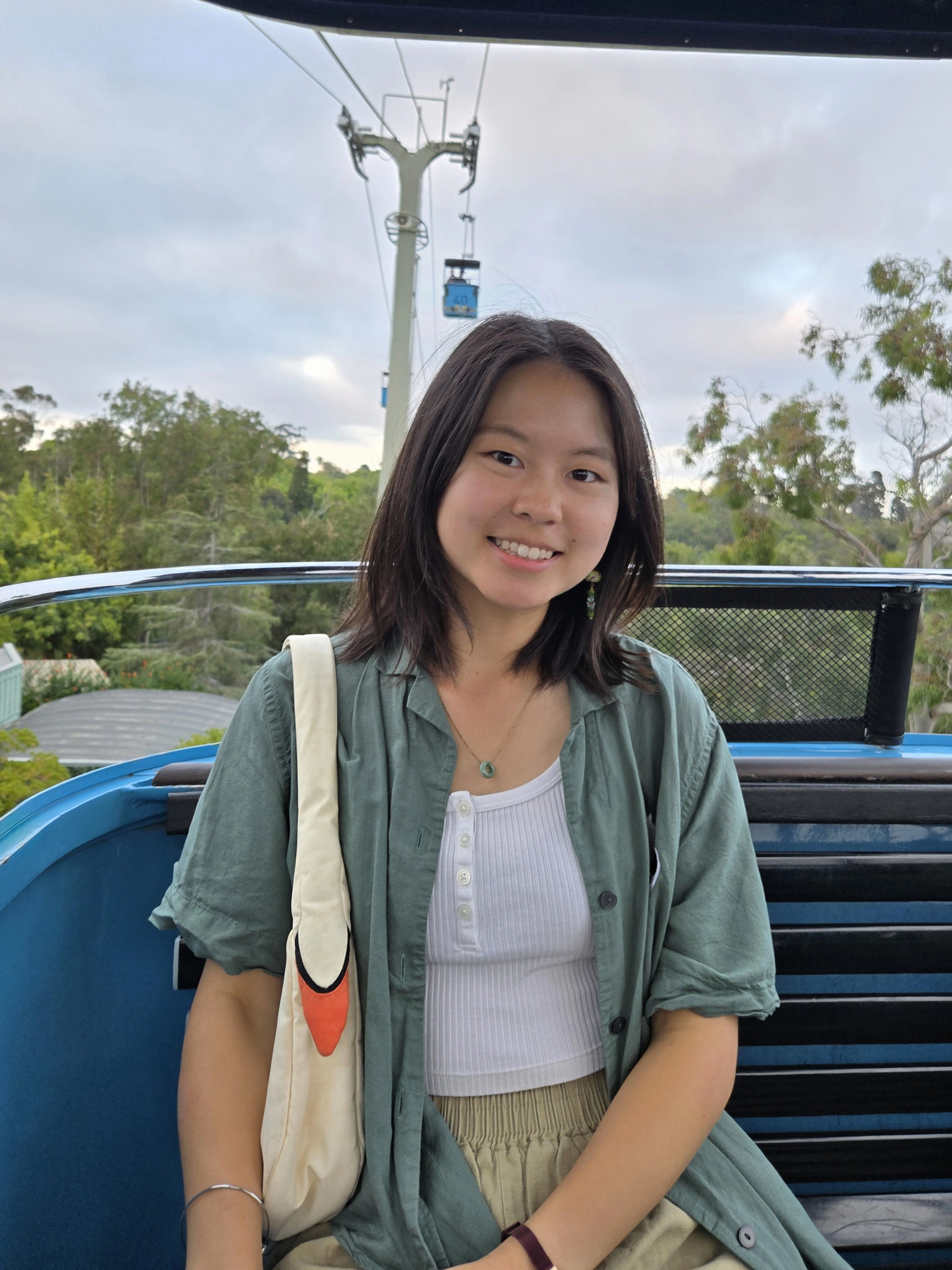
Claire Chiang, DVM ‘27, is a veterinary student at the Cornell University College of Veterinary Medicine. She received her undergraduate degree in biological sciences from Carnegie Mellon University. She is primarily interested in avian medicine and hopes to work either at a wildlife hospital caring for native wildlife or in an exotics practice with primarily avian patients. Her goals in working with avian wildlife include addressing the disease risks shared with people through a One Health lens.
Photos provided by Claire Chiang.
Please consider giving to the Cornell Yang Center for Wildlife Health Student Support Fund to help provide more hands-on experiential learning opportunities for students passionate about wildlife health and conservation.