Practicing Aquarium and Rehabilitation Medicine in Mississippi
By Katie Broikos, DVM ‘26
This past spring, I had the opportunity to travel to Gulfport, Mississippi, where I served as a veterinary student extern at the Mississippi Aquarium (MSAQ). It was my first time working at an aquarium, and I loved it. I enjoyed the diverse collection of animals, collaborating with staff across different departments, and participating in the care of research animals, captive species, and wildlife.
MSAQ's mission is to provide the public with educational experiences that promote animal research and conservation. During my externship, I worked with the Veterinary Department, which monitors and maintains the health of all animals housed at both the aquarium and its Aquatic Research Center (ARC). Working alongside two outstanding veterinarians, Dr. Alexa Delaune and Dr. Sean Perry, and an exceptional veterinary technician, Kristen Hales, in the aquarium’s hospital, I had the invaluable opportunity to learn about aquatic medicine. This unique and rewarding experience was made possible by the Cornell K. Lisa Yang Center for Wildlife Health Student Support Fund.
In the Clinic
Most animal treatments and care at the aquarium were performed in the on-site veterinary clinic, with occasional procedures conducted tank-side or at the off-site ARC facility. On my first day at MSAQ, we examined a snowflake moray eel that had been acting abnormally and appeared distended since the previous day. At the clinic, the eel was weighed and physically examined. X-rays, ultrasound, blood work, and a skin scrape were also performed. It was a great experience to participate in an eel workup.
The same day, we conducted annual examinations for two coral catsharks, Elsa and Anna. The vet team performed tank-side physical examinations, ultrasounds, and blood draws. These examinations demonstrated how dynamic aquarium medicine can be. Annual examinations and unscheduled drop-ins were common throughout my time at the aquarium.
During my externship, I learned where and how to draw blood and perform physical examinations on multiple species. I was taught various imaging techniques for X-rays and ultrasounds. The externship also highlighted the importance of skin scrapes, particularly in aquatic species. Lastly, my understanding of species-specific anatomy and physiology, and how to evaluate them, has grown exponentially. For example, a cownose ray diagnosed with heart failure illustrated the susceptibility of aquatic species to complex diseases. Its condition was managed using standard veterinary medications, including pimobendan and furosemide, which are commonly used for canine cardiac care.
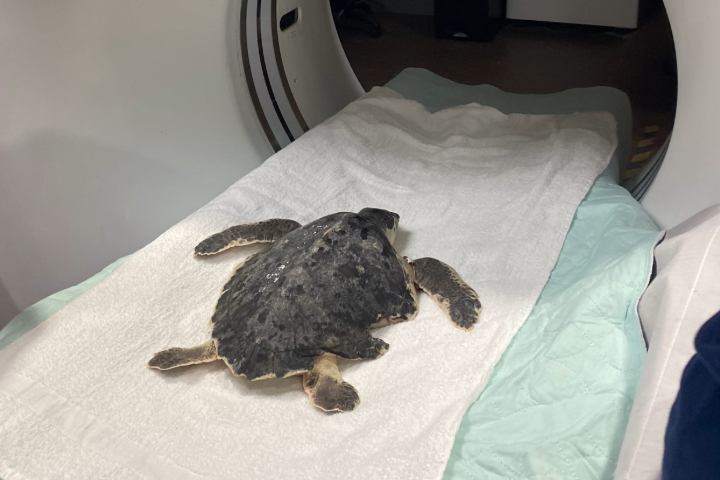
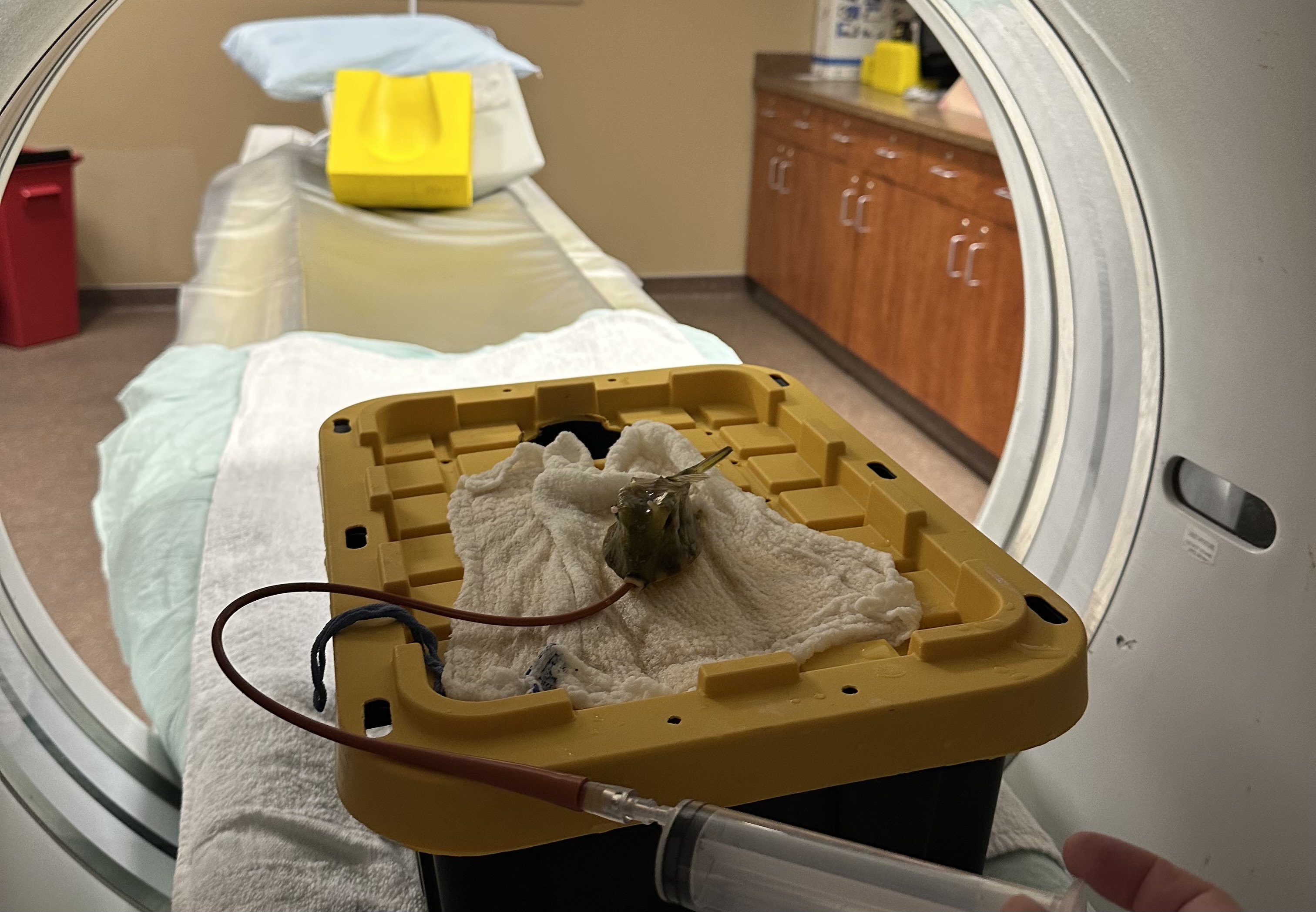
MSAQ also collaborated with a local human hospital, which allowed the aquarium to bring in two Kemp’s ridley sea turtles and a longhorn cowfish for CT scans. The hospital’s radiology technicians helped us image the animals. The CT scan of the longhorn cowfish was performed to investigate possible infection or neurologic causes of its spinning behavior, while the Kemp’s ridley turtles were scanned to evaluate their health following prolonged cold-stunned recovery and secondary infections such as pneumonia and osteomyelitis. Later, Dr. Delaune and Dr. Perry reviewed the scans with me, and we discussed each animal’s treatment plan moving forward.
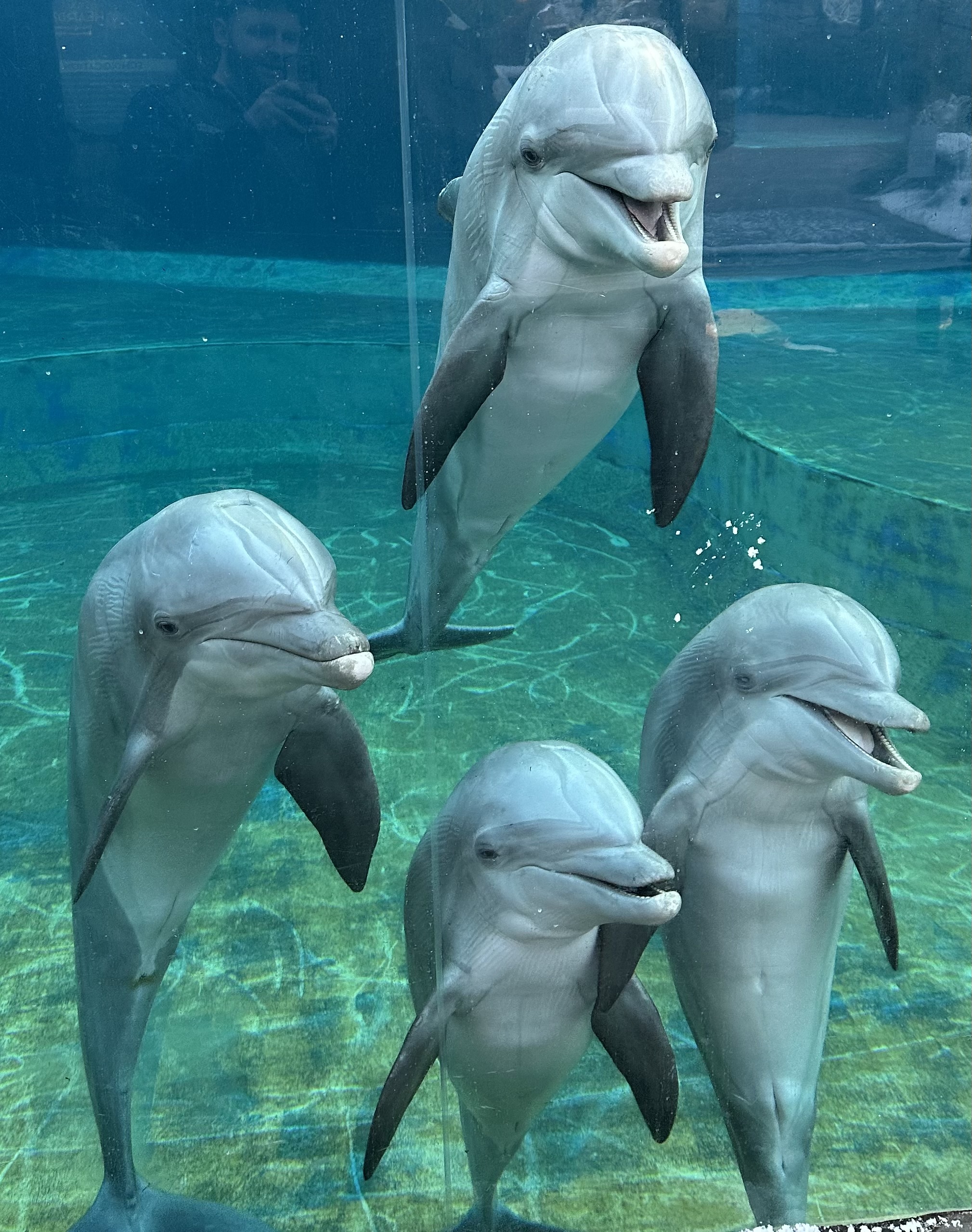
During my time at MSAQ, I gained experience with endoscopy. Each Tuesday, the veterinary team practiced voluntary dolphin gastroscopies, using an endoscope to visualize the gastrointestinal tract in unsedated dolphins. The goal was to train and desensitize the aquarium’s four dolphins to tolerate voluntary gastroscopies lasting one minute or longer, if possible. Voluntary dolphin gastroscopy is important because it allows for the direct diagnosis and treatment of gastrointestinal issues, such as ulcers, infections, and foreign body ingestion, without the risks associated with sedation. In another case, one of the Kemp’s ridley sea turtles underwent bronchoscopy and biopsy to evaluate suspected lung pathology identified on X-rays.
At MSAQ, I also continued to develop my necropsy skills under Dr. Delaune's guidance, performing multiple necropsies on various species, including sharks, fish, and birds. I learned species-specific necropsy techniques and used ultrasound to locate and identify anatomical structures before dissection. Additionally, I performed skin scrapes and wet mounts for all necropsied aquatic species. These procedures furthered my knowledge of comparative anatomy, both grossly and microscopically. Overall, it was a valuable opportunity to follow cases from start to finish and to confirm preliminary clinical diagnoses. My experience reinforced the importance of necropsy as an essential diagnostic tool in veterinary medicine.
Aquatic Research Center
The ARC facility holds quarantined animals, research animals, and rehabilitated cold-stunned Kemp's ridley sea turtles from the New England Aquarium. Some of the animals housed at ARC also included corals and radiated tortoises. While there, I learned about the MSAQ coral team's restoration work firsthand. I sat in on Zoom sessions with coral experts discussing their experimental findings and watched the team process ultrasound scans of the corals. It was a fascinating introduction to coral husbandry, restoration, and veterinary care. I also strengthened my husbandry skills by helping to feed the radiated tortoises and assisting Dr. Perry in measuring and weighing them for an ongoing study.
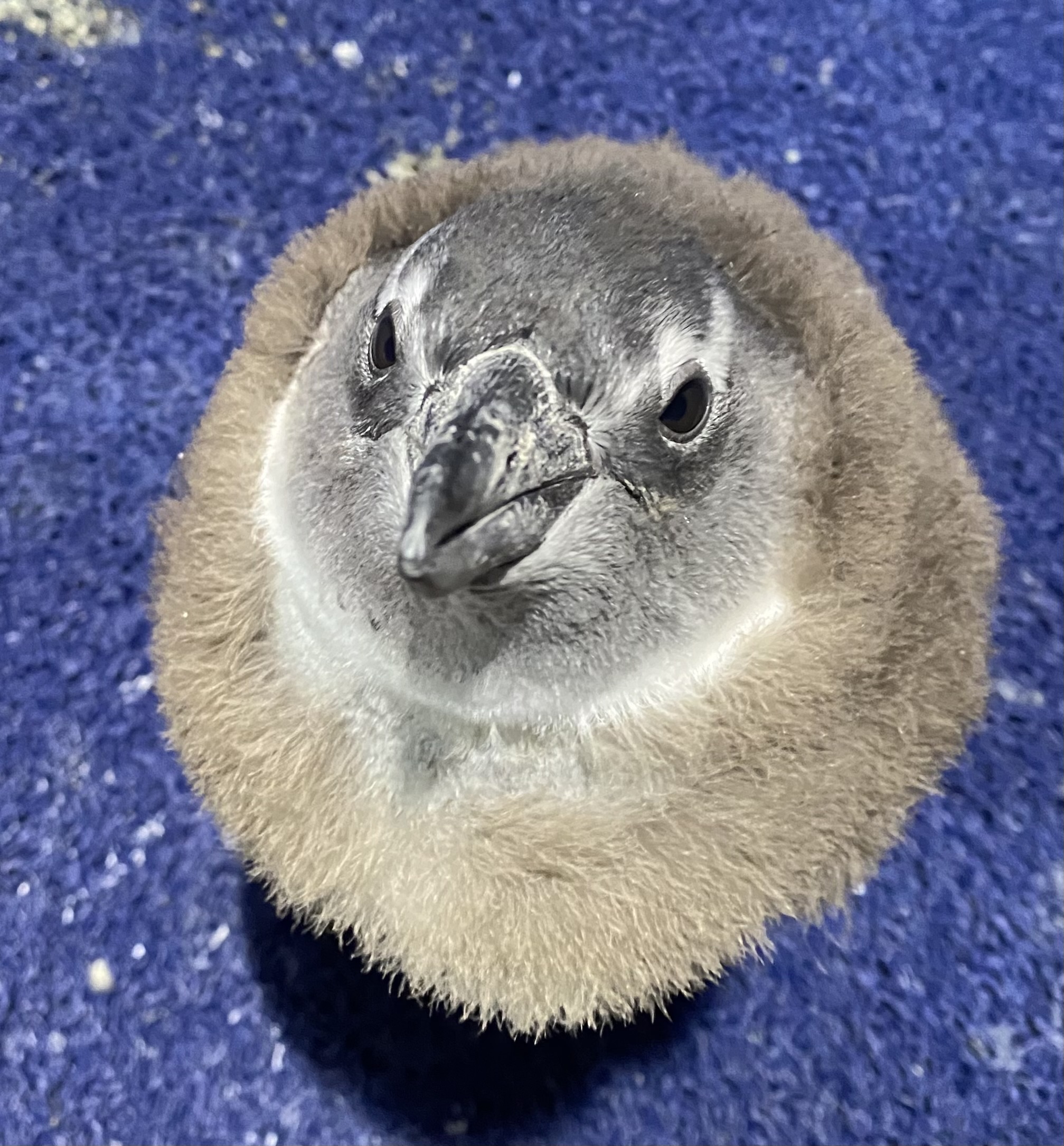
ARC is also home to the aquarium’s thirteen African penguins. I helped examine both a penguin chick and an adult. Participating in penguin husbandry and medical care was informative and added another exciting dimension to my experience.
Caring for and managing the cold-stunned Kemp’s ridley sea turtles was another major part of my role. I took part in their daily treatments, including intravenous, intramuscular, subcutaneous, and oral medications. Additionally, the veterinary team conducted weekly physical examinations on selected turtles. These exams included weighing them, assessing their flippers, shells, and overall body condition, and using ultrasound to measure heart rates. Blood draws and X-rays were also a part of the evaluations, with samples collected from the jugular vein for a range of blood tests on each patient, including packed cell volume, total solids, a complete blood count, and a chemistry panel.
Monday, April 28, 2025, was a very moving day for me, as MSAQ released ten rehabilitated Kemp’s ridley sea turtles. I had the fulfilling experience of releasing one of the turtles, which the team had named Gorgeous. It was inspiring to see so many people attend the release; for some, it was their first time encountering a sea turtle up close.
The International Association of Aquatic Animal Medicine (IAAAM) Conference
As part of my externship experience, I attended the 2025 IAAAM Annual Conference, hosted by MSAQ in Biloxi, Mississippi. This weeklong conference provided an excellent opportunity to broaden my understanding of current projects in aquatic animal medicine. I attended lectures by veterinarians and biologists from across the United States and internationally. I also connected with fellow students and professionals who further strengthened my interest and enthusiasm for the aquatic medicine field. In addition to the outstanding lectures and networking opportunities, I participated in a hands-on dolphin bronchoscopy lab. Facilitated by a renowned pulmonologist and marine mammal experts, the workshop combined lectures and hands-on stations, allowing me to gain practical experience maneuvering the bronchoscope and visualizing the respiratory tract of dolphins.
Reflections
My externship at MSAQ helped clarify and shape my career goals. The veterinary team demonstrated how a positive work environment can accelerate learning and skill development. This experience reaffirmed my interest in aquatic and wildlife medicine, while also providing an excellent introduction to working in an aquarium setting. I gained a deeper appreciation for the complexities of captive animal care, the meaningful relationships that veterinarians can form with animals, and the importance of research in advancing medicine. Exposure to a wide range of patients and techniques broadened my clinical understanding while underscoring critical, universal principles of veterinary medicine. Above all, the externship reinforced my passion for conservation and the importance of protecting these incredible species and their habitats.
Thank you to the Cornell K. Lisa Yang Center for Wildlife Health Student Support Fund. The center’s dedication to advancing DVM student training in wildlife research and conservation made this project possible. I also want to acknowledge the staff at MSAQ, especially Dr. Delaune, Dr. Perry, and Kristen.
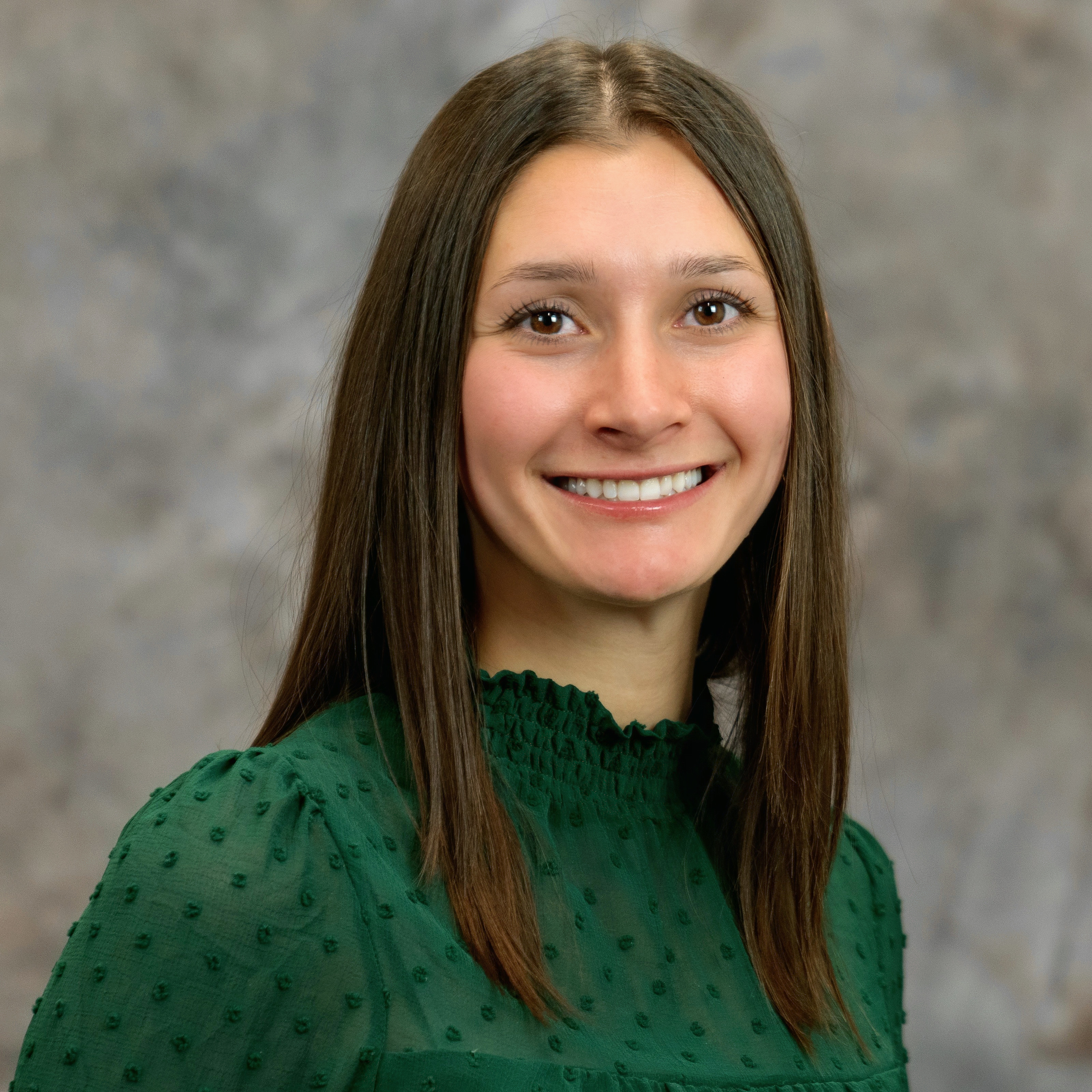
Katie Broikos, Class of 2026, is a fourth-year veterinary student at the Cornell University College of Veterinary Medicine. She received a BS in biology and animal behavior, ecology, and conservation in 2022 from the College of Arts and Sciences at Canisius University. Katie is interested in wildlife and aquatic medicine and plans to pursue a career in marine animal medicine.
Photos provided by Katie Broikos and Dr. Alexa Delaune.
Please consider giving to the Cornell Yang Center for Wildlife Health Student Support Fund to help provide more hands-on experiential learning opportunities for students passionate about wildlife health and conservation.