
Comprehensive Conservation with Victoria Falls Wildlife Trust
By Brenna Lashbrook, DVM ‘26
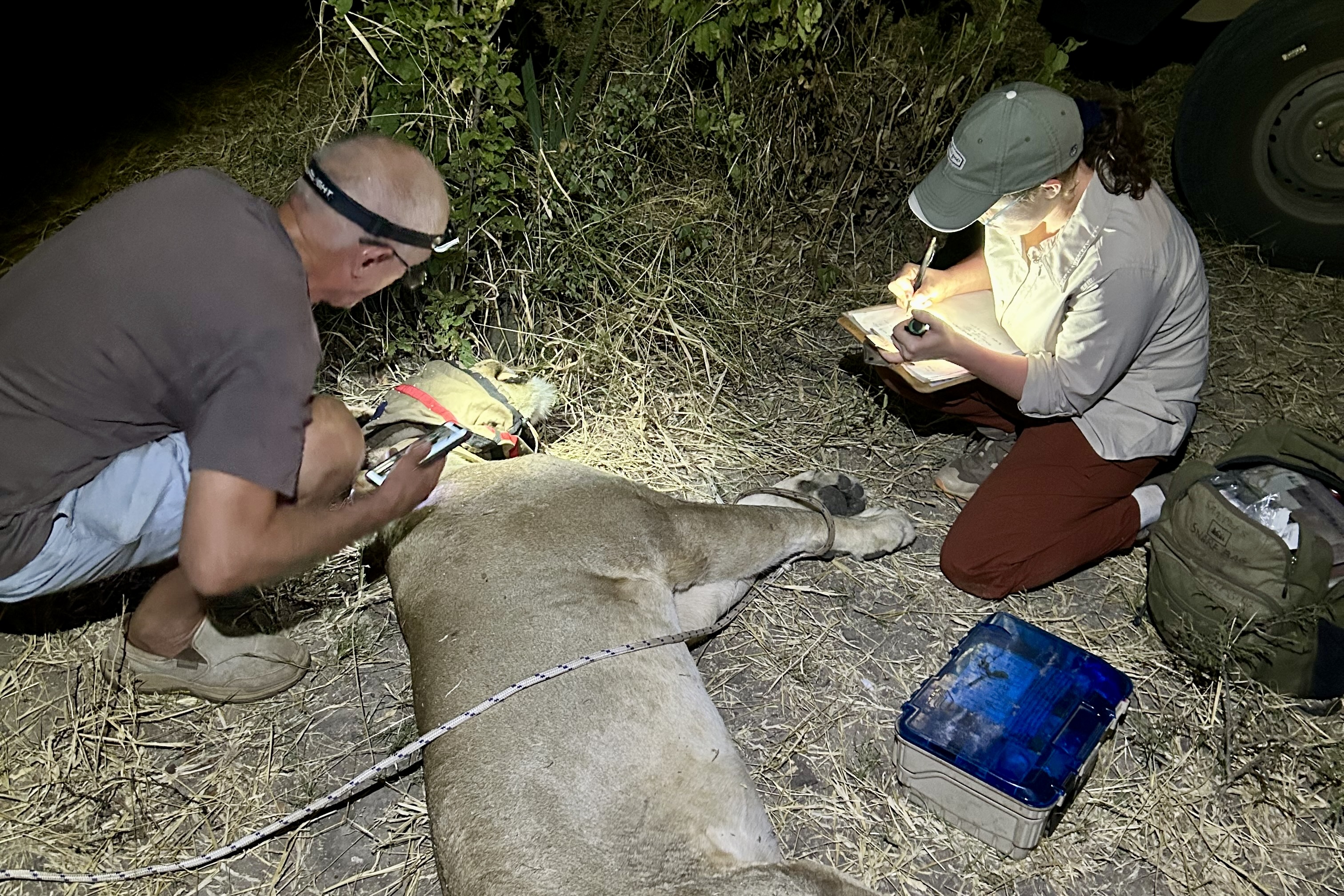
March ended in quite a spectacular way for me this year. I began the month sitting in classrooms at Cornell University’s College of Veterinary Medicine (CVM)… and ended it out in the Zimbabwean bush, drawing blood from a sedated lion under a nighttime African sky.
I must admit that on this particular Sunday afternoon, I was exhausted. I had received a whopping sunburn while whitewater rafting on the Zambezi River that morning (no big deal) and was nursing my skin, sore muscles, and the remnants of a tough battle with jet lag. However, it was then that I received a call from one of my mentors at the Victoria Falls Wildlife Trust (VFWT)—an organization that promotes conservation through a wide range of initiatives, and my host for this project.
When Roger Parry, the Wildlife and Research Manager at Victoria Falls Wildlife Trust, calls you about a lion being sighted and that it’s time to mobilize, track it down, and collar it, you suddenly feel like the sunburn isn’t quite so bad.
My time with VFWT was a manifestation of the Expanding Horizons International Education Program at Cornell’s CVM. This extraordinary opportunity allows veterinary students to step far outside their comfort zone to immerse themselves in the nuanced ecosystem of veterinary medicine in a developing country. The goal is to acquire new skills through an independent project, while broadening one’s perspectives and, ideally, having meaningful impact. It is a recipe for an utterly unique experience.
When working in conservation, the plan you set out with is usually not the one you execute. I arrived in Victoria Falls with the understanding that the tail-end of the rainy season might reduce the opportunities for fieldwork at the Trust. That was not the case. My objectives were clear: a) learn as much as I could about the challenges wildlife conservation faces in this region; and b) get as many clinical and technical experiences as I could.
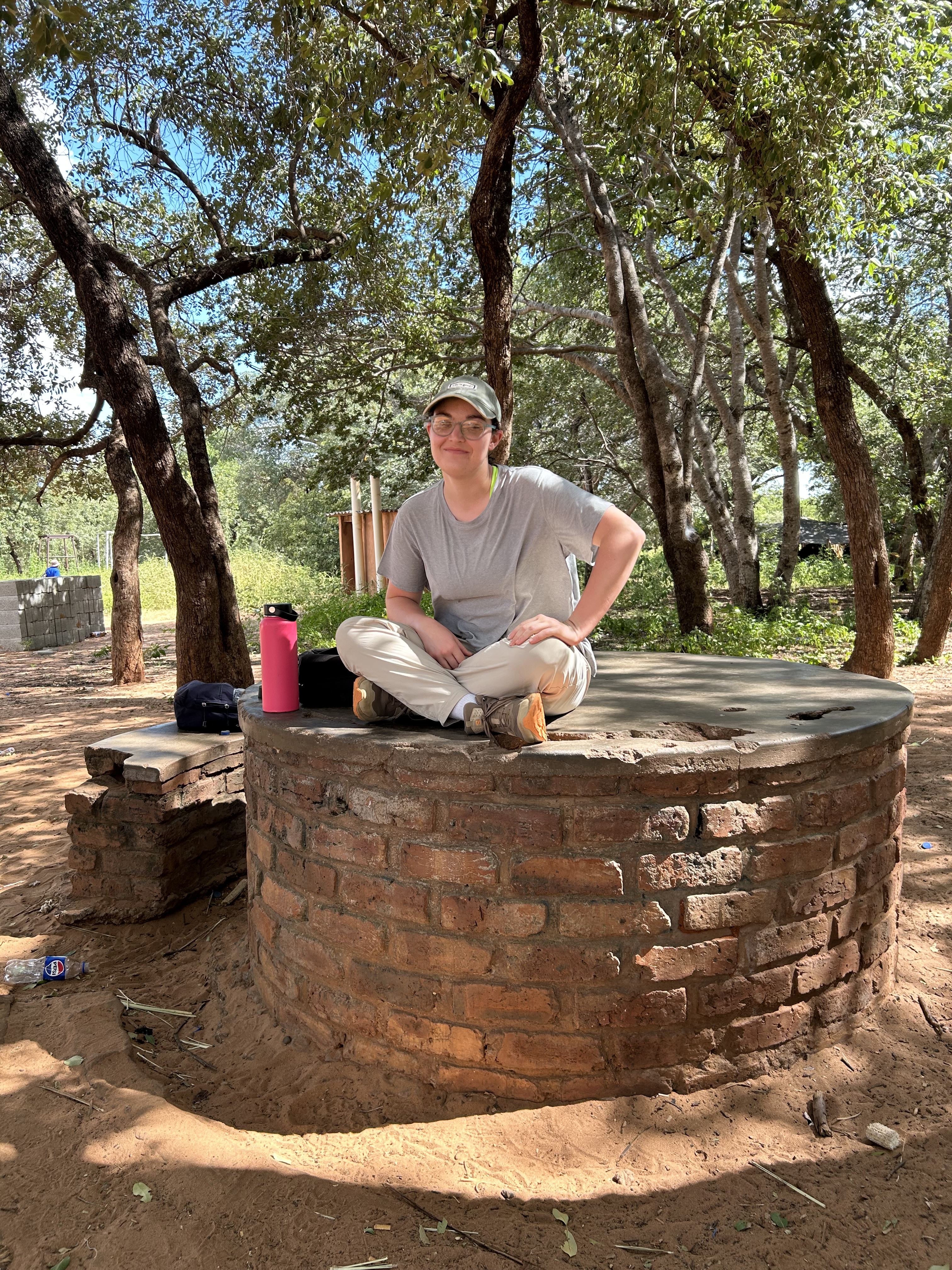
VFWT operates within the parks surrounding Victoria Falls, Zimbabwe. These parks all lie within the Kavango Zambezi Transfrontier Conservation Area (KAZA TFCA). The aim of the KAZA TFCA is “to sustainably manage the Kavango Zambezi ecosystem, its heritage, and cultural resources based on best conservation and tourism models for the socio-economic wellbeing of the communities and other stakeholders in and around the eco-region through harmonization of policies, strategies, and practices.”
On the Tracks of a Poacher
My arrival in Zimbabwe coincided with the tragic and shocking loss of one of the region’s most well-known lionesses. Her remains—because no, not all of her was taken—were discovered when the dominant male of her pride was tracked down due to some concerning movements transmitted from his GPS collar. Thankfully, we were able to remove the snare that had looped through his mouth, saving him from a potentially fatal outcome. However, the female, the dominant and historic leader of the Hippo Creek pride, left behind three cubs too young to fend for themselves. The loss of this female alone was a gut punch, but VFWT was now left to monitor the cubs’ well-being as they struggled to survive.
Human intervention, even when it’s meant to save an animal’s life, has the potential to cause damage far into a wild animal’s future. The individual, if it becomes habituated, can easily become a risk to themselves and the human community they survive alongside. Therefore, the best hope for these cubs was that another female would assume their care. So, VFWT began strategizing.
And how did I end my month drawing blood from a lion? We were collaring an older sibling of the cubs to monitor whether this female or her sister frequented locations where the cubs were sighted. For every sedated animal, VFWT collects blood as part of routine screening.
From samples like those, VFWT has been assembling a genetic database of local lions for years. In a stroke of good luck, an unknowing tourist, who had purchased lion claws from a local vendor, was directed to local officials by a good Samaritan. So while I was involved in monitoring the cubs, the VFWT lab staff worked hard to identify the responsible poacher. In a demonstration of the genetic database’s use, the claws were matched to the Hippo Creek lioness, and arrests were made accordingly. Confirming that this poached female was indeed the dominant lioness of Hippo Creek was devastating.
VFWT and other conservation organizations are working hard to increase the severity of penalties imposed on poachers. These organizations are pushing for sentences with longer jail time, swifter arrests and prosecutions, and the use of more advanced forensic techniques to gather evidence for a case. The retribution associated with poaching must reflect the seriousness of the crime to serve as a proper deterrent. VFWT works to both strengthen deterrents and provide alternative employment opportunities to those in need through its many community outreach programs.
Rehabilitating the Regionally Endangered Southern Ground Hornbill
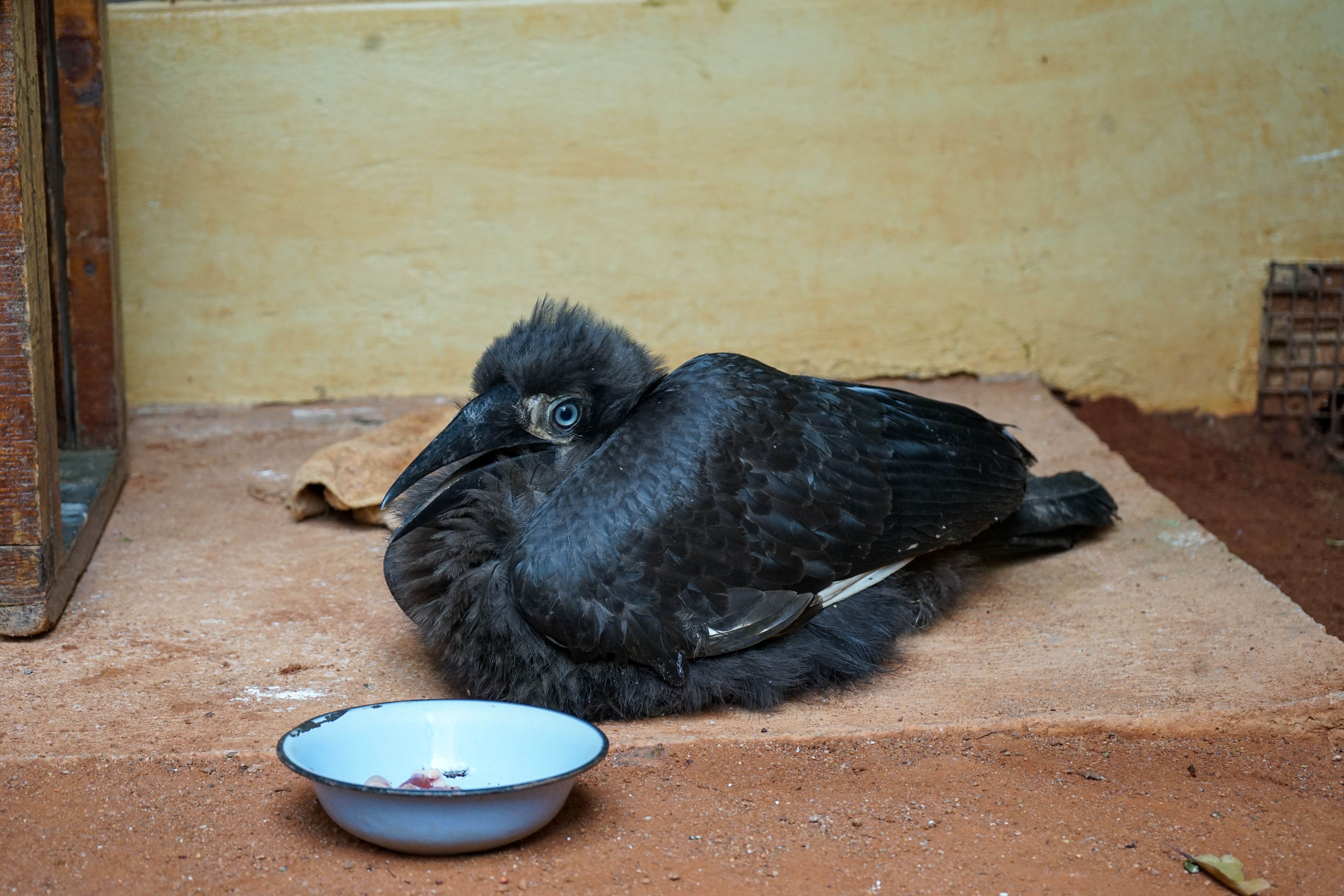
Innumerable impressive and celebrated wildlife species can be found in Zimbabwe. I had the privilege of seeing many of them on countless drives into the bush, and I had the honor of working with a select few. One of the most notable was a juvenile southern ground hornbill found roadside near Hwange National Park. This bird presented with neurologic signs. We suspected it had been hit by a car, and we feared it would not survive.
Southern ground hornbills are an endangered species in a handful of southern African countries, but in Zimbabwe, they are considered to be less at risk. However, this species faces several inherent challenges to its survival. Ground hornbills are quite large, have long life spans (several decades), and only breed once every few years. Additionally, the young take two to five years to mature, largely depending on their sex. Due to their low reproductive rate, any loss to their population has long-lasting detrimental effects. In addition, ground hornbills have a complex social structure and require extensive territories, making them extremely vulnerable to habitat loss.
When we heard about an incapacitated juvenile ground hornbill, VFWT knew it was essential to care for this individual. I got the chance to take part in the juvenile’s care through feeding, medicating, and monitoring its recovery progress. The first few days were tenuous as we waited for any signs of improvement. Once the bird was eating on its own, the challenge shifted to devising a diet from scratch and ensuring we were meeting nutritional requirements. In the wild, these birds consume a wide range of prey, including small mammals, large insects, and even venomous snakes. Watching this giant bird regain its strength and knowing I may have played a small part in its recovery was a once-in-a-lifetime experience.
Reflections on My Wildlife Health Experience
The work of Victoria Falls Wildlife Trust is critical to both local and international biodiversity conservation. Whether helping to deter poachers, administering veterinary care to species that don’t have their own dedicated textbooks, upping the game in wildlife laboratory diagnostics, or working with community members to improve local livelihoods, VFWT is ever-vigilant and remains at the forefront of conservation efforts in the KAZA-TFCA.
I am truly honored to have had the opportunity to work with VFWT’s stellar team, and I am deeply appreciative that the CVM enables students to access once-in-a-lifetime experiences that enrich our curriculum. It is challenging to understand the scope of veterinary medicine in conservation without experiencing it firsthand, on the ground. I could not have grasped what it’s like to work in conservation without this experience, from the difficulty obtaining quality lab supplies to the obstacles associated with permits and transnational sample shipments. While I plan to become a small animal general practitioner in the long term, I hope to regularly return to Zimbabwe to once again participate in VFWT’s conservation efforts!
Acknowledgements
This life-changing experience could not have taken place without the financial support of the College of Veterinary Medicine’s Expanding Horizons International Education Program and the Einaudi Center for International Studies at Cornell University.
My deepest thanks to the veterinarians and staff at Victoria Falls Wildlife Trust for taking me under their wing and sharing invaluable knowledge and experiences.
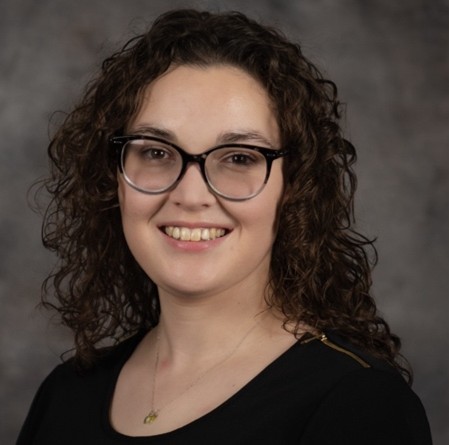
Brenna Lashbrook, Class of 2026, is a DVM student at Cornell University’s College of Veterinary Medicine. Her focus is on small animal general practice and exploring ways in which veterinary medicine can be utilized as a tool for global development and the advancement of One Health.
All photos provided by Brenna Lashbrook.