
In the News
Blog
October 05, 2026
Cornell's Zoo and Wildlife Society (ZAWS) shares about their first event of the semester, featuring five incredible panelists, Drs. Steven Osofsky, Noha Abou-Madi, Cynthia Hopf-Dennis, Jan Lovy, and Jennifer Bloodgood.
June 15, 2026
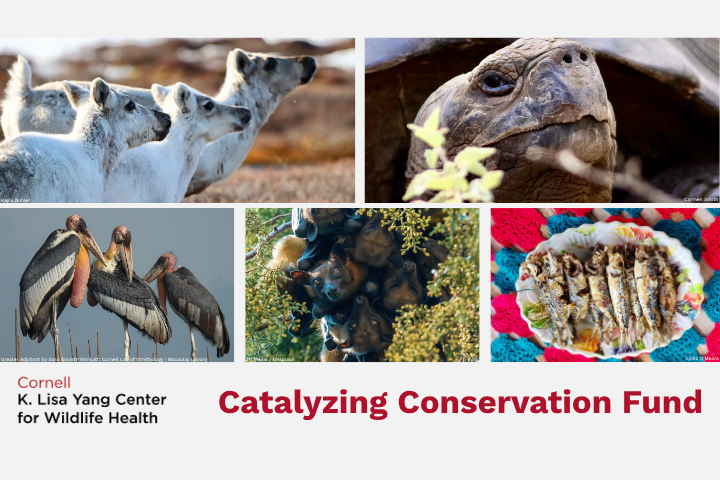
Five new projects supported by the Catalyzing Conservation Fund are tackling urgent challenges wild species and local communities face across four continents and an array of marine and terrestrial ecosystems, from the tropical waters of the Indo-Pacific Coral Triangle to the frozen tundras of the circumpolar Arctic.
March 19, 2026
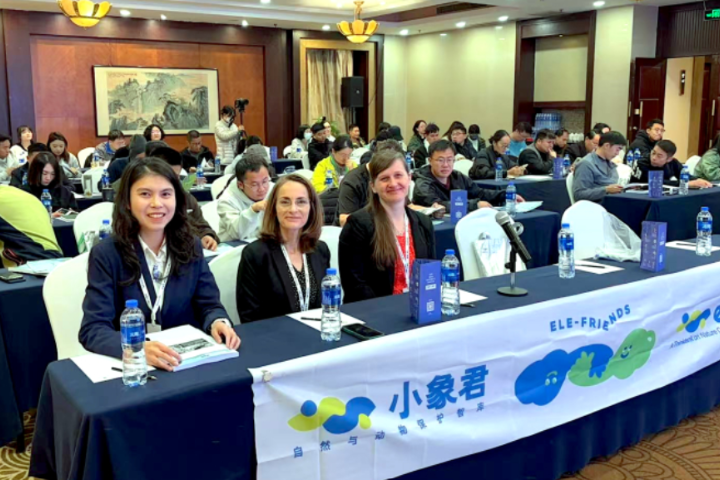
Faculty from the Janet L. Swanson Wildlife Hospital traveled to Nanjing, China, for the third annual Wildlife Rescue Veterinary Training event. Dr. Sara Childs-Sanford and Dr. Cynthia Hopf-Dennis joined Chinese and other international veterinary experts to exchange cutting-edge international practices in wildlife rescue and medicine.
Video
January 22, 2026
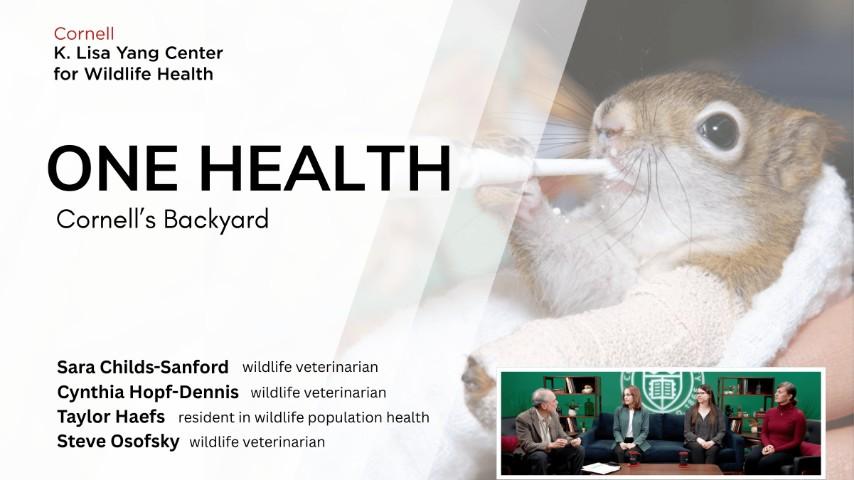
In this eCornell Keynote presentation, Drs. Sara Childs-Sanford, Cynthia Hopf-Dennis, and Taylor Haefs from the Janet L. Swanson Wildlife Hospital discuss how their team cares for over 2,000 patients each year and what’s being learned about the wider disease and environmental threats to wildlife in the northeastern U.S....
November 04, 2025
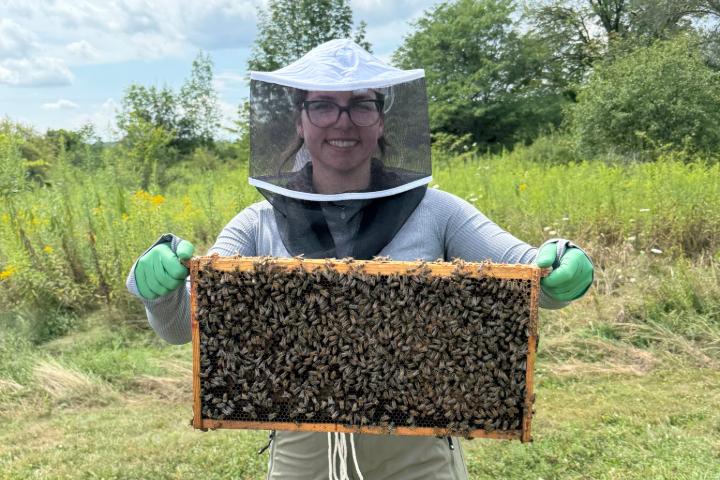
The Cornell K. Lisa Yang Center for Wildlife Health has launched a new residency in wildlife population health, building on the Cornell University College of Veterinary Medicine's leadership in preparing veterinarians to meet the urgent and evolving challenges facing our planet’s wild species.
September 15, 2025
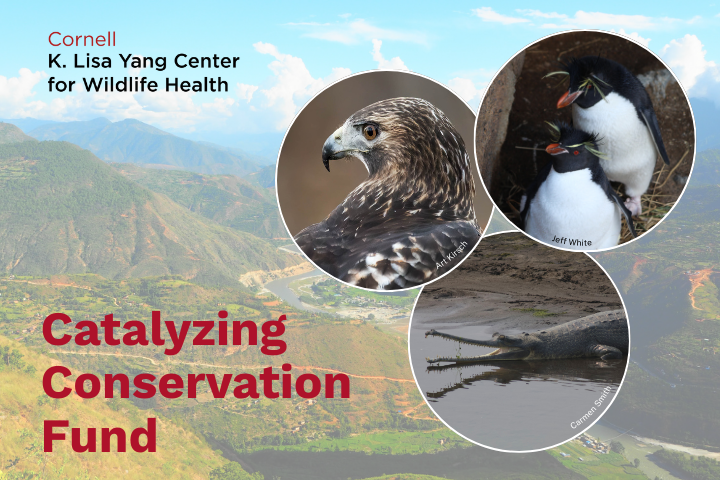
Why are eastern rockhopper penguin populations plummeting in New Zealand? What’s a reliable, rapid test for detecting rodenticide poisoning in live birds of prey? How can we use technology to help diagnose wildlife diseases in Nepal while training local scientists?

July 18, 2025
The Janet L. Swanson Wildlife Hospital, which has more than tripled its caseload over the past decade, is renovating its facilities to treat an increasing number of injured or ill native wild animals.
August 05, 2024
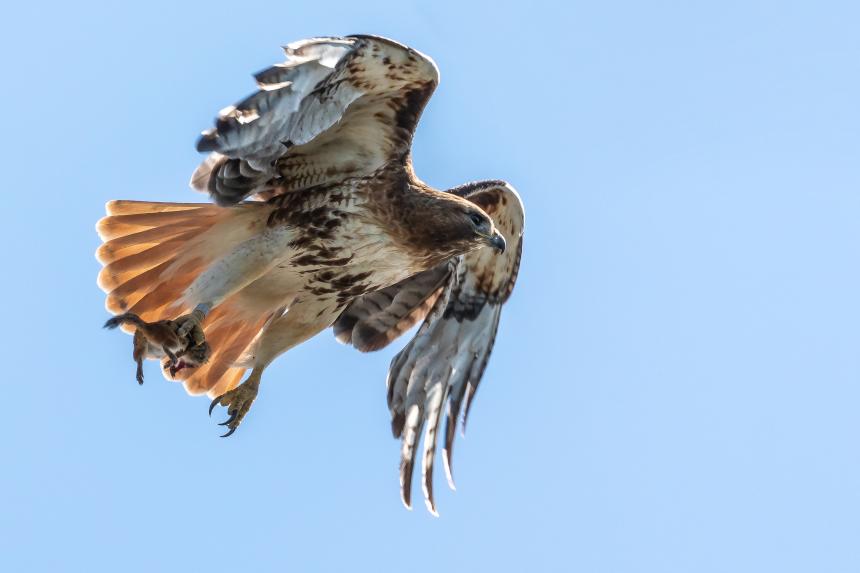
Supertoxic rodenticides are building up inside unintended targets, including birds, mammals, and insects. Scientists, including Cornell's Dr. Cynthia Hopf, want to understand the damage—and limit it.
July 09, 2024
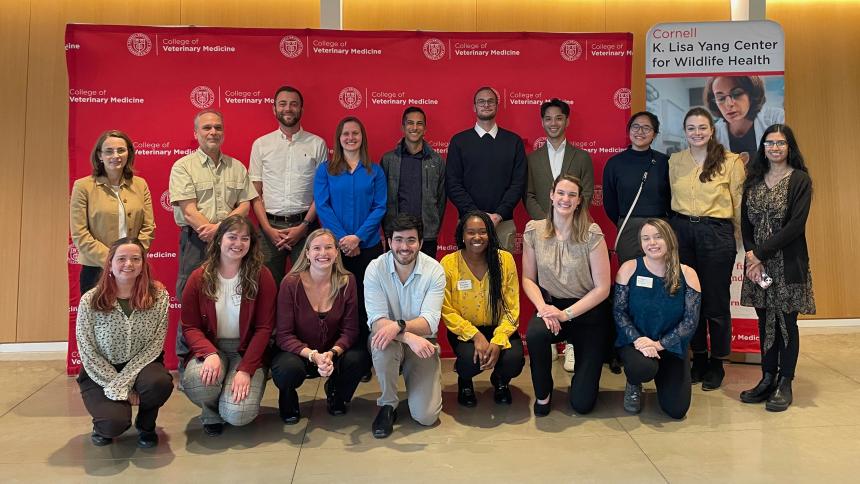
The student-led Zoo and Wildlife Society at the Cornell University College of Veterinary Medicine hosted their second annual Wildlife Conservation Day featuring a diverse set of speakers.
For Your Information
July 05, 2024
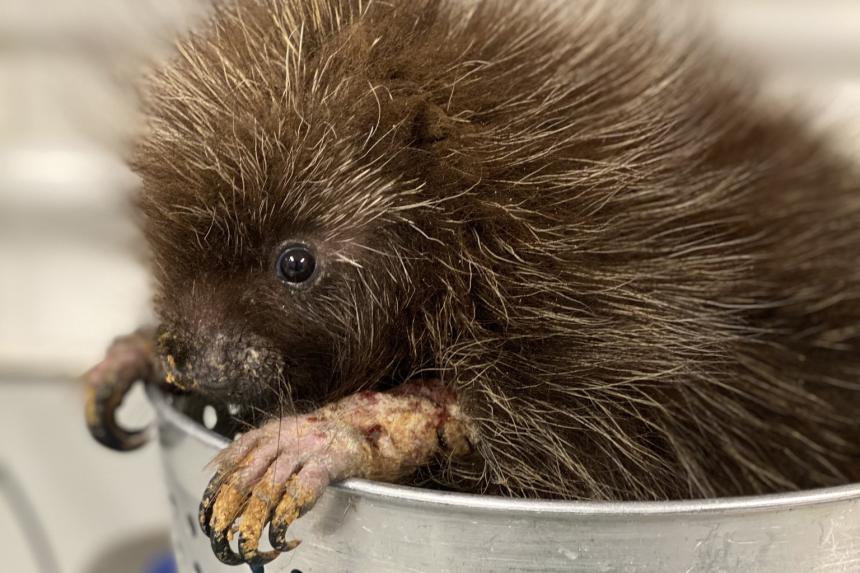
Check out this new paper led by Cornell zoological medicine resident Dr. Laura St. Clair and an interdisciplinary Cornell team studying sarcoptic mange in wild North American porcupines.