
In the News
For Your Information
June 17, 2022
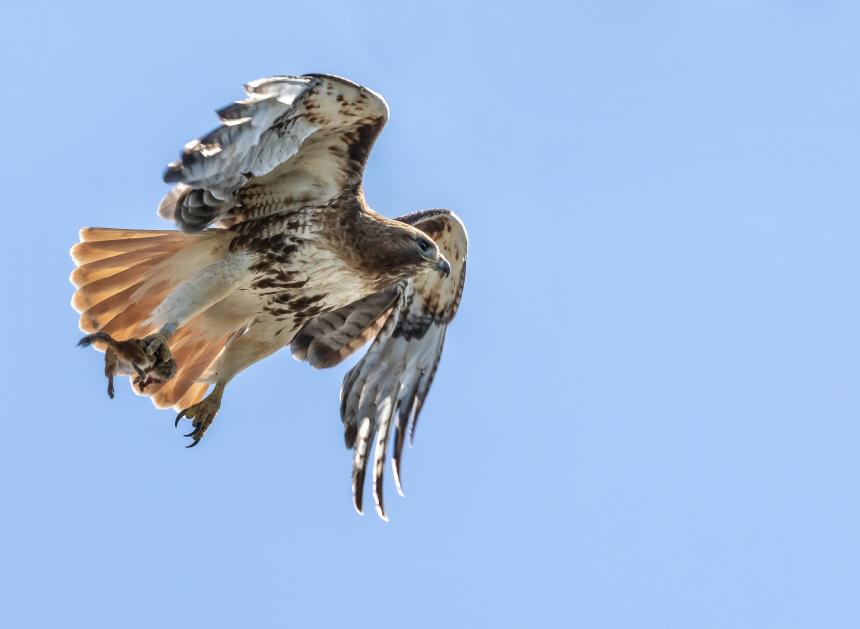
Anticoagulant rodenticides continue to be used across the U.S. as a method for controlling pest rodent species. As a consequence, wild birds of prey are exposed to these toxicants by eating poisoned prey items.
June 10, 2022
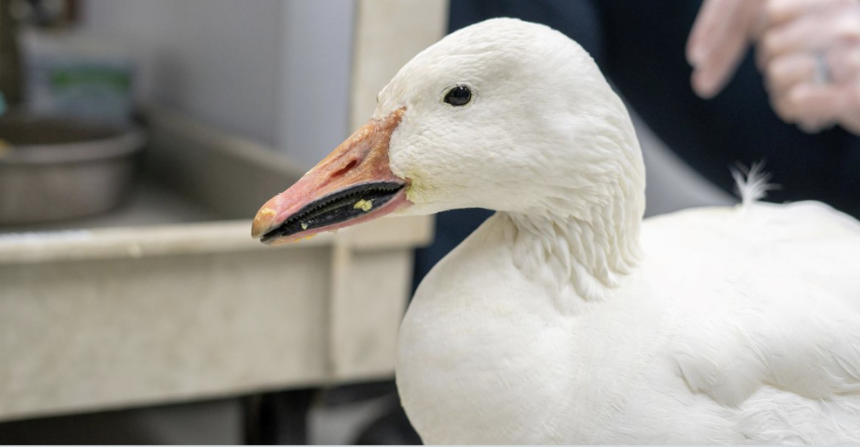
Each spring, large flocks of snow geese make their annual trek from the south back up to their Arctic breeding grounds. One goose’s journey was interrupted, however, by an increasingly common threat to wildlife — lead toxicity.
Video
June 10, 2022
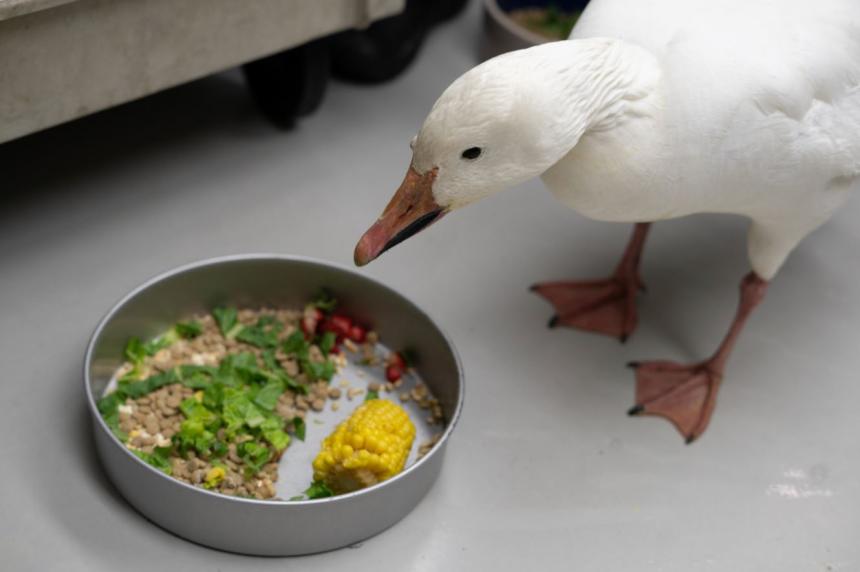
This female snow goose came to the Janet L. Swanson Wildlife Hospital for lead toxicity. She couldn’t keep up with her flock on its migration north because she was too sick to fly. The Cornell team nursed her back to health and she was released back into the wild.
Video
May 17, 2022
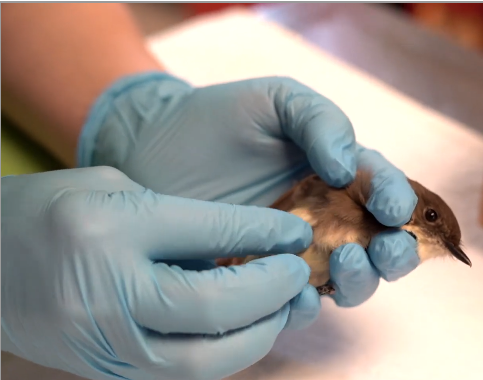
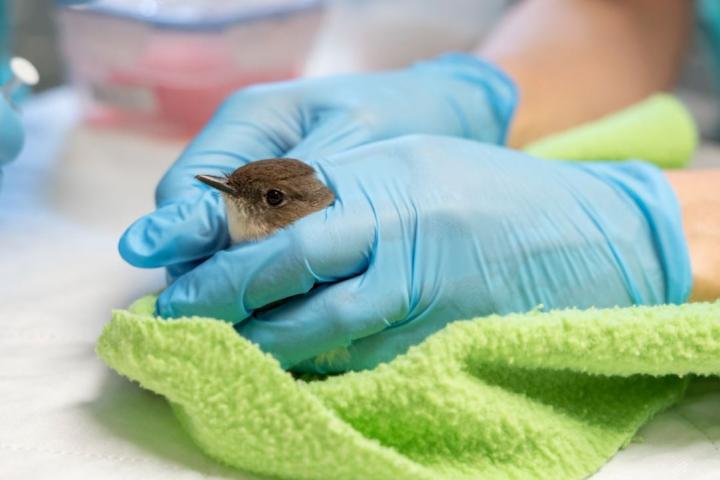
An eastern phoebe songbird was found in a glue trap meant to capture insects and was taken to Cornell’s Janet L. Swanson Wildlife Hospital for treatment.
May 16, 2022
Found in a glue trap meant to capture insects, an eastern phoebe songbird was taken to Cornell’s Janet L. Swanson Wildlife Hospital after its rescuers attempted to free the creature from the powerful adhesive.
Video
May 11, 2022
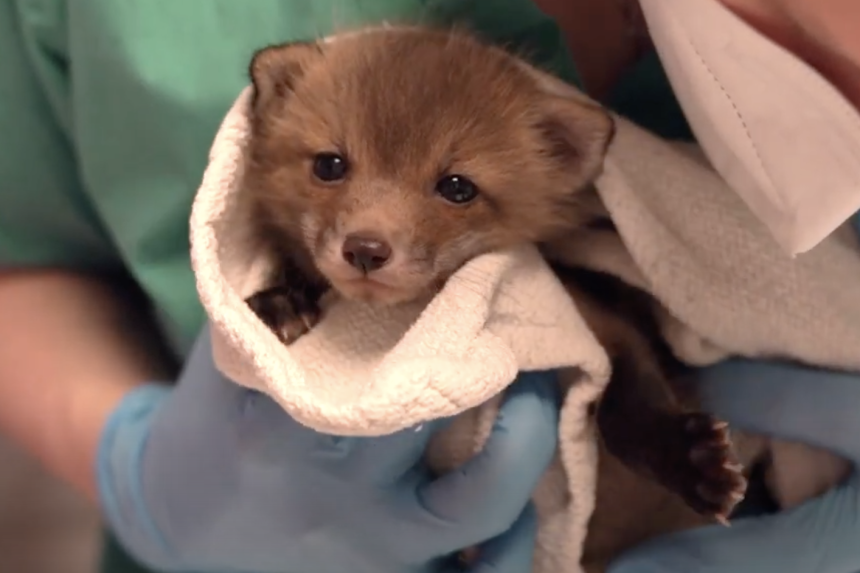
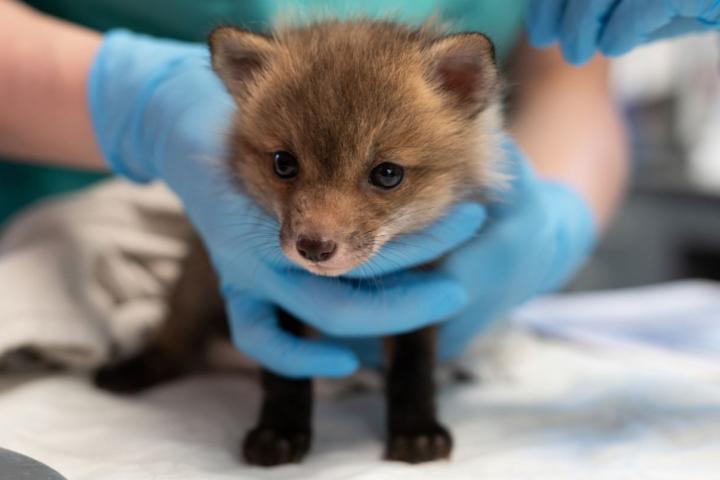
A tiny red fox kit was recently treated for a swollen paw at Cornell's Janet L. Swanson Wildlife Hospital. The fox is expected to make a full recovery.
May 10, 2022
A tiny red fox kit is getting world-class care at Cornell University’s Janet L. Swanson Wildlife Hospital. The four-to-six-week old baby was found with her paw caught in a plastic rat trap and Cornell’s wildlife health team is helping to heal the fox’s swollen paw and get the baby back to full health.
October 14, 2021
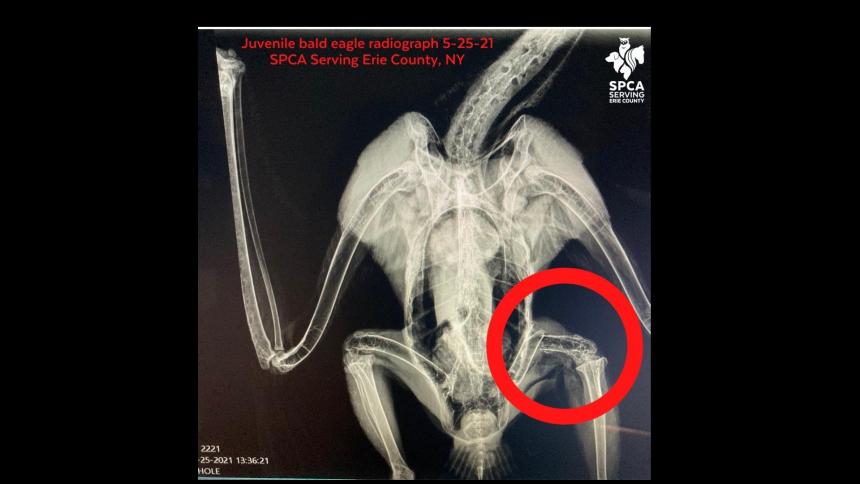
A severely injured young bald eagle had surgery at the Janet L. Swanson Wildlife Hospital and was successfully released after it recovered.