
Catalytic Seed Funding Awarded to Five Conservation Initiatives Spanning Four Continents
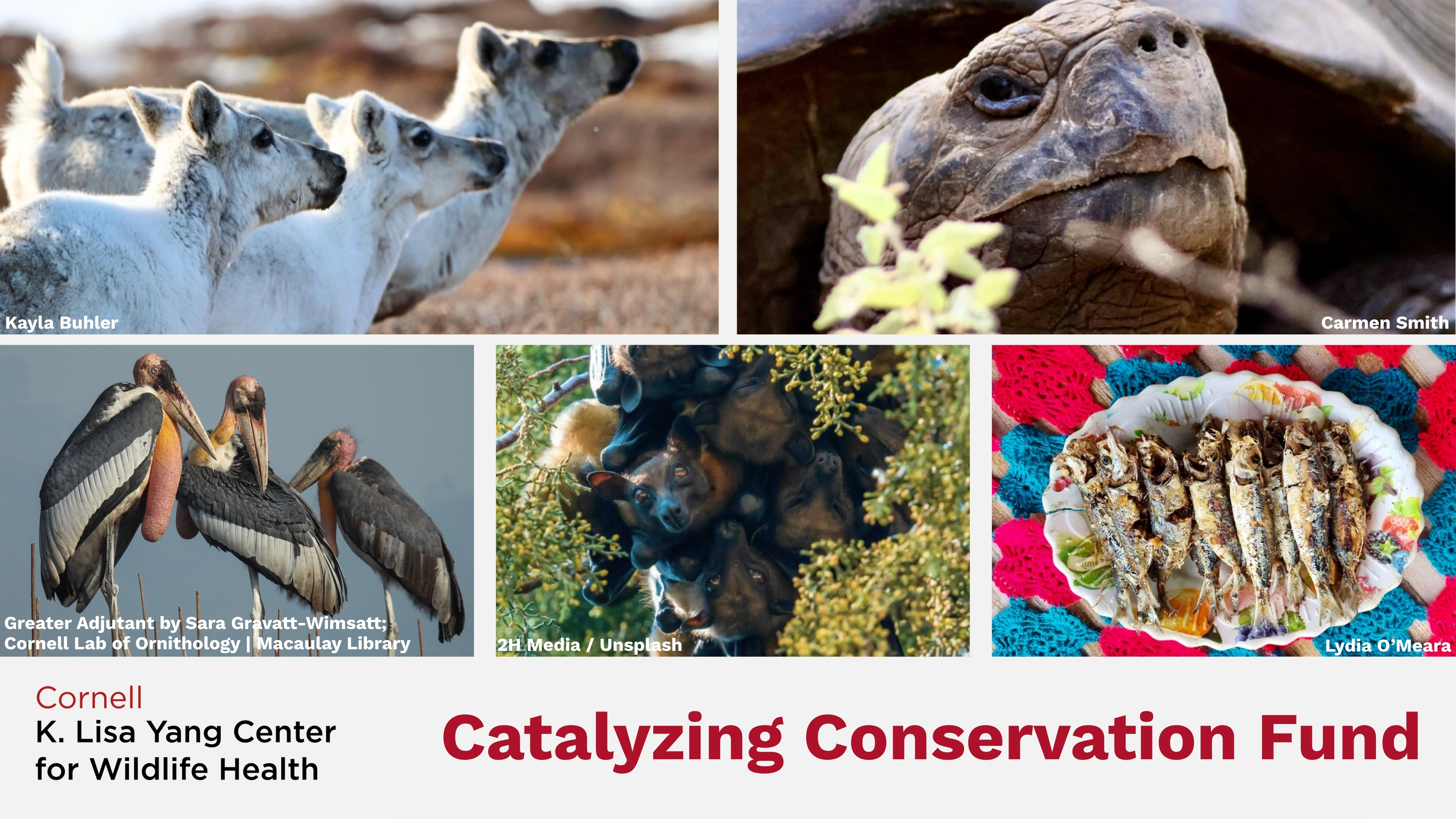
Five new projects supported by the Catalyzing Conservation Fund (CCF), a Cornell K. Lisa Yang Center for Wildlife Health (CYCWH) competitive grants program, are tackling urgent challenges wild species and local communities face across four continents and an array of marine and terrestrial ecosystems, from the tropical waters of the Indo-Pacific Coral Triangle to the frozen tundras of the circumpolar Arctic.
Across the globe, wildlife faces mounting pressures from emerging infectious diseases, climate change, habitat loss, and a lack of critical conservation data. Addressing these complex threats requires innovative approaches to monitoring wildlife health, strengthening partnerships with local communities, and implementing integrated strategies that advance environmental, animal, and human health and well-being.
The CCF provides catalytic seed funding to spark pioneering applied research to advance wildlife conservation solutions. The fund prioritizes initiatives that improve the health of free-ranging wildlife and/or solve environmental problems via a One Health lens. By providing essential early-stage support, the CCF program helps launch strategic collaborations positioned to translate research into practical conservation action for wildlife and wild places.
The 2026 CCF awardees are:
Tracking Marine Biodiversity and the Dietary Quality It Sustains in the Indo-Pacific Coral Triangle
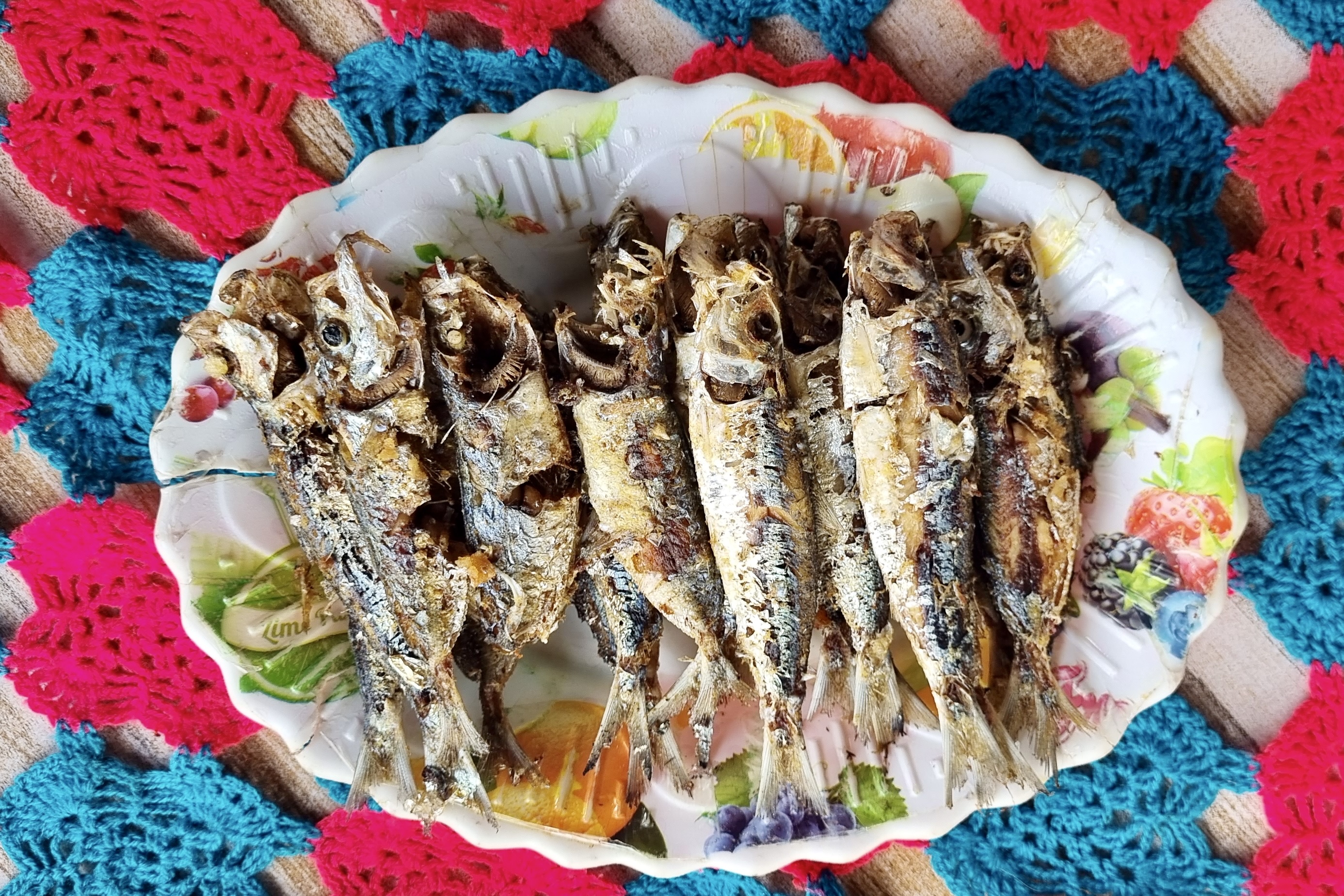
As marine ecosystems decline, biodiversity monitoring is vital for detecting changes, guiding effective conservation efforts, and safeguarding the diverse aquatic foods that underpin healthy diets in coastal communities. The tropical waters of Timor-Leste are part of the Indo-Pacific Coral Triangle, a biodiversity hotspot often referred to as the “Amazon of the Seas.” Yet, the biodiversity of these coastal areas remains unassessed due to cost and logistical challenges in remote locations. For the communities who live there, marine biodiversity is the foundation of dietary quality, with nutrient-rich aquatic foods being key to nutrition and health.
The project will test a new low-cost, low-tech mobile phone tool designed to make it easier for local scientists and communities to monitor which aquatic foods people eat—even in the lowest-resource areas where reliable internet, smartphones, or high literacy cannot be assumed. Because what people harvest and eat reflects what the ocean provides, the tool is designed as an integrated way to monitor both the dietary diversity of coastal communities and patterns that may, in turn, signal changes in marine biodiversity and human pressures on natural resources over time.
This project will focus on a remote area of Timor-Leste’s south coast where biodiversity monitoring is particularly challenging, despite its critical marine biodiversity and the need to understand the benefits of the newly designated Manufahi marine protected area. Lead researcher Lydia O’Meara emphasizes that “Healthy, biodiverse oceans are the foundation of healthy, diverse diets. Our work aims to deliver a data-driven foundation for environmental stewardship that protects both ocean health and the nutritious foods these communities depend on.” The research will identify which species and habitats most need protection and help shape effective marine conservation practices and fisheries management, while also building capacity for sustainable management approaches. The information gathered will guide national and community decisions that support both marine conservation and access to the diverse, nutritious diets that healthy oceans make possible, for these communities and beyond.
Investigators: Lydia O’Meara (Cornell Atkinson Center for Sustainability, Department of Public and Ecosystem Health), Kathryn Fiorella (Department of Public and Ecosystem Health), David Mills (WorldFish; Commonwealth Scientific and Industrial Research Organisation (CSIRO))
Partners: Jose Andrés (Department of Ecology and Evolutionary Biology), Ministry of Agriculture, Livestock, Fisheries, and Forestry (MALFF) and Ministry of Health (MoH), Government of Timor-Leste
EcoBat: Preventing Nipah Virus Spillover using Community-Based Mapping Systems
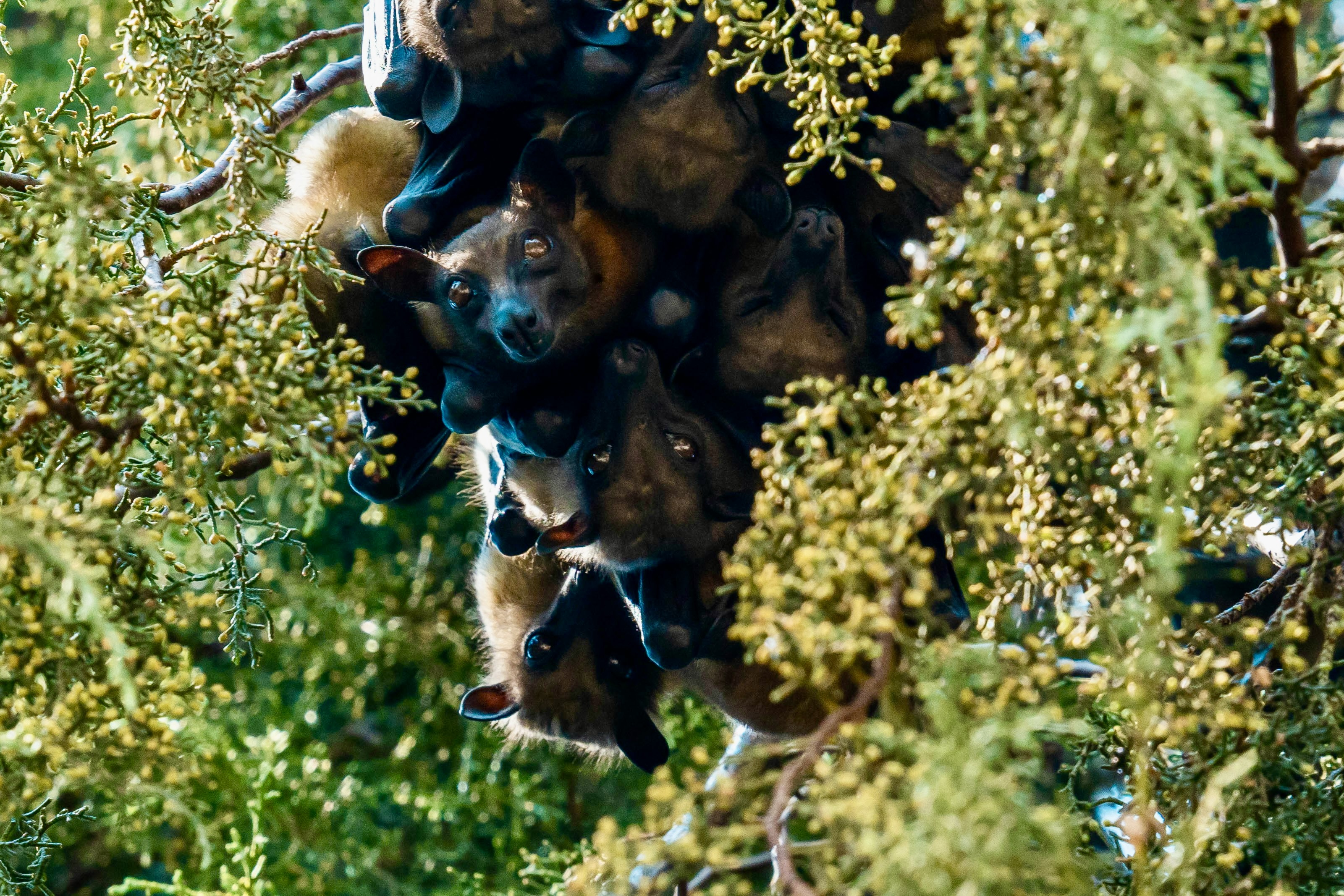
Recent outbreaks of Nipah virus infection have caused human fatalities and widespread fear and uncertainty in communities in Kerala, India. Although the virus has long circulated in fruit bats, little is known about the ecological and social changes that may have contributed to human spillover beginning in recent years.
Working with communities in Kerala, the EcoBat project will investigate the ecological and social drivers that may have contributed to the emergence of the Nipah virus and identify practical strategies to reduce the risk of future spillover while protecting bats and their habitats. Researchers will partner with local conservation groups and community liaisons to facilitate participatory workshops. “Our workshops will invite community members to share their observations of how bat populations, landscapes, and human activities have changed over time, and how these changes have influenced spillover from bats to humans,” said project lead Raina Plowright. These insights will be translated into systems maps and actionable policy recommendations to reduce the risk of Nipah virus spillover. By incorporating local knowledge and community perspectives, this work lays the groundwork for additional upstream preventive strategies, including ecological countermeasures that promote healthier ecosystems, preserve wildlife populations, and foster human-wildlife coexistence.
Investigators: Raina Plowright (Department of Public and Ecosystem Health), Katherine McComas (Department of Communication), Ana Bento (Department of Public and Ecosystem Health)
Partners: Local wildlife, ecological, and public health organizations
Supporting Communities and Avian Scavenger Conservation in India and Bangladesh
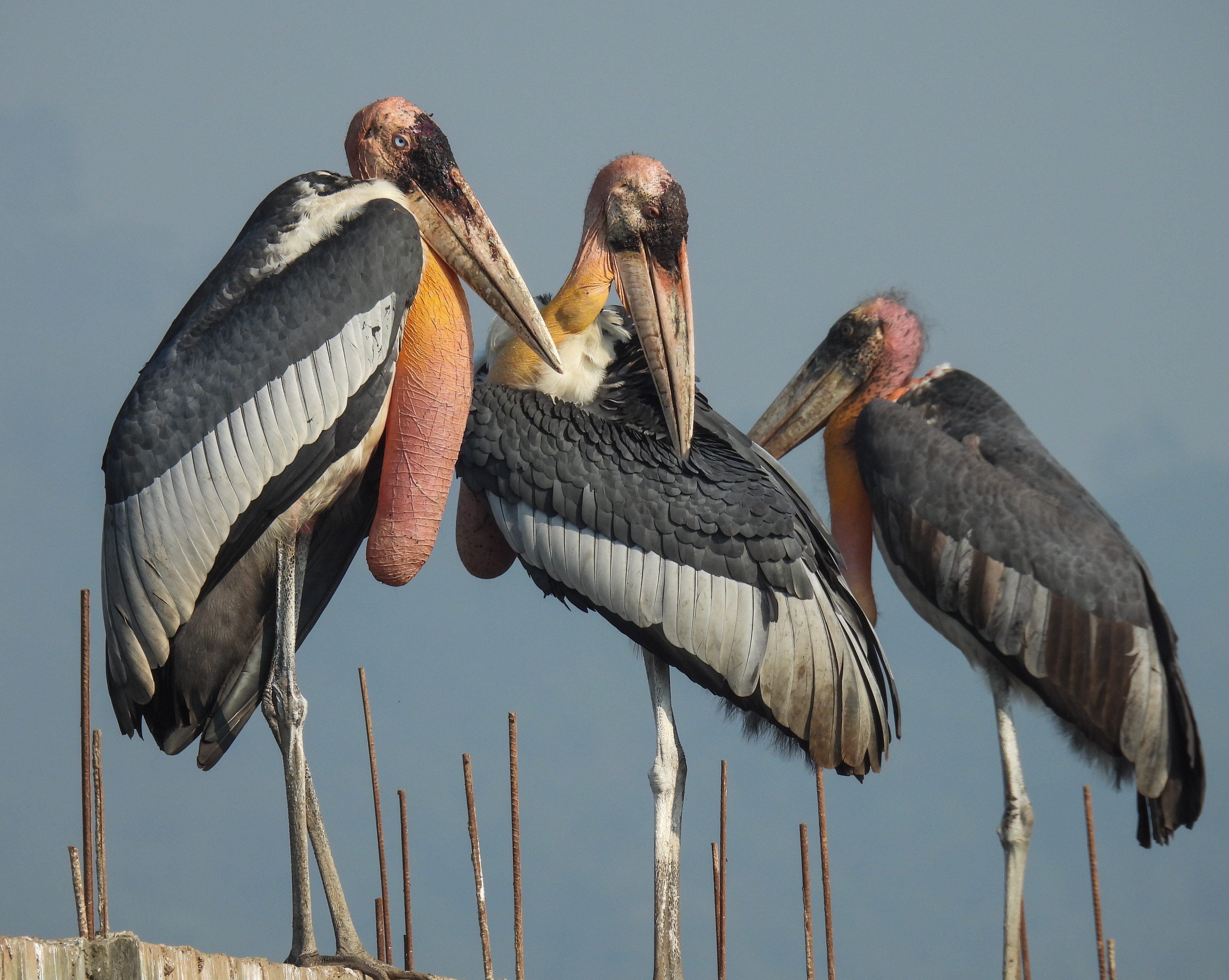
The ecology and life history of avian scavengers place them at particularly high conservation risk. Their dietary reliance on carrion increases exposure to food-borne pathogens and toxins, while their gregarious social behavior can amplify population-level impacts of disease or poisoning. Anthropogenic threats are especially acute in the northeastern Indian subcontinent, one of the most densely populated human landscapes on Earth. Community-based conservation has been crucial to recent conservation successes, including the recovery of the Greater Adjutant stork (locally known as hargila), yet geographically isolated populations of this species, as well as globally important populations of threatened vultures and Pallas’s fish eagles, remain at significant risk.
This work aims to identify opportunities to strengthen and expand avian scavenger conservation programs in India and Bangladesh through a holistic approach that integrates expertise in wildlife health and sustainable livelihoods. The project will initiate a structured, interdisciplinary collaboration with local conservation organizations to assess current wildlife health and livelihood-related challenges and capacity gaps. Exchange visits between Cornell University and partner organizations in Assam and Bangladesh will provide training in wildlife medicine, diagnostic techniques, and mortality investigations. Researchers will also work with regional wildlife experts and veterinary authorities to assess risks posed by environmental toxins and high-consequence pathogens, including avian influenza and Newcastle disease, and identify practical interventions. In addition to providing wildlife health support, the collaboration will explore ways to strengthen community-based conservation through improved livelihoods with a focus on expansion of market access and diversification of economic opportunities. This partnership will identify how targeted wildlife health and livelihoods expertise can strengthen existing conservation programs, accelerating the recovery of avian scavenger populations by enhancing community-based habitat protection and reducing premature bird mortality from disease, poisoning, and injury.
Investigators: Martin Gilbert (Department of Population Medicine and Diagnostic Sciences), Purnima Devi Barman (Aaranyak/Hargila Army), A B M Sarowar Alam (International Union for Conservation of Nature, Bangladesh), Sara Childs-Sanford (Department of Clinical Sciences), Cynthia Hopf-Dennis (Department of Clinical Sciences), Helen Lee (Department of Population Medicine and Diagnostic Sciences), Kerry Schutten (University of Calgary), Carmen Smith (Department of Population Medicine and Diagnostic Sciences)
Partners: Aaranyak, International Union for Conservation of Nature, and other local organizations
Measuring Threatened Arctic Wildlife Well-Being with Indigenous Partnerships
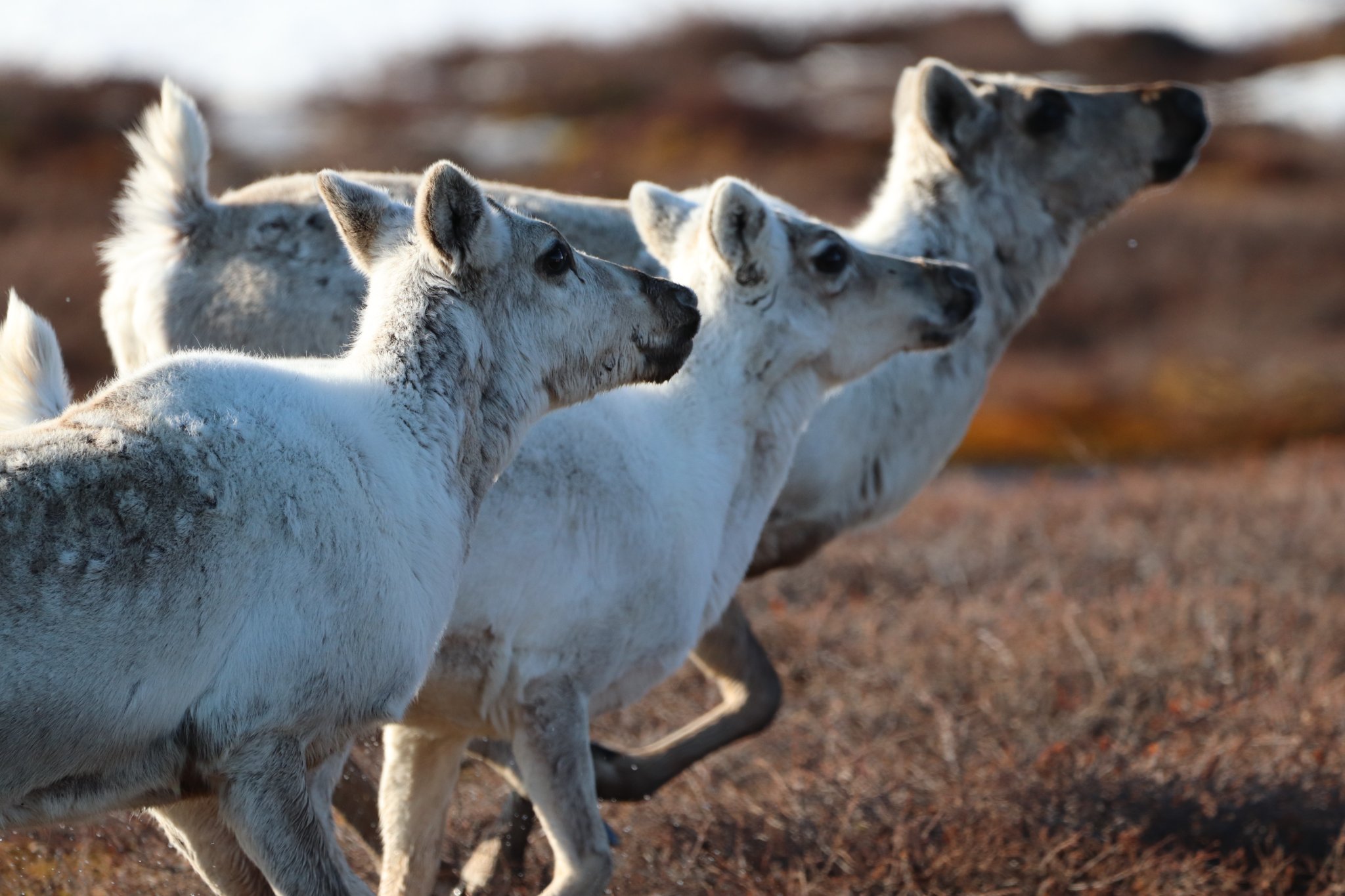
Arctic wildlife faces numerous challenges due to the current climate crisis, leading to population declines that have detrimental impacts on traditional harvests by Arctic peoples. Historically, circumpolar Indigenous communities are seldom involved in population monitoring efforts spearheaded by governments. Additionally, live capture efforts to study threatened species are being phased out due to logistical, cost, and ethical constraints. These factors emphasize the need for collaborative partnerships with local hunters and herders to create a holistic management approach that preserves traditions while facilitating the monitoring of Arctic wildlife health and well-being.
This project aims to establish an adaptive management program by developing comprehensive measures of wildlife well-being that acknowledge the importance of both wildlife health science and traditional knowledge for sustainable conservation efforts. This initiative will expand work on polar bears to establish standardized biomarkers of the cumulative physiological impact of environmental stressors, known as allostatic load (AL), to include Rangifer (reindeer and caribou), which contribute significantly to subsistence hunts for northern Indigenous peoples. Additionally, this work will explore whether environmentally stable microRNAs are viable AL biomarkers for remote testing locations such as the Arctic. Once ideal AL biomarkers have been established, the team will engage with Indigenous hunters and herders in communities across Canada, Greenland, and Scandinavia to validate AL indices in harvested polar bears and Rangifer. Sampling protocols and videos will be developed in partnership with governments and communities to ensure this process is accessible and meaningful for all, paving the way for future monitoring efforts. Ultimately, this project will provide tools for Indigenous peoples to effectively monitor wildlife populations essential to their food security and sovereignty.
Investigators: Kayla Buhler (Department of Public and Ecosystem Health), Raina Plowright (Department of Public and Ecosystem Health), Amandine Gamble (Department of Public and Ecosystem Health), Praveen Sethupathy (Department of Biomedical and Translational Sciences), Joseph McFadden (Department of Animal Science), Morten Tryland (University of Inland Norway), Alina Evans (University of Inland Norway), Leif Egil Loe (Norwegian University of Life Sciences), Naima Jutha (Government of the Northwest Territories, Canada), Christian Sonne (Aarhus University), Rune Dietz (Aarhus University)
Partners: Communities of Greenland and the Northwest Territories
Protecting Wildlife Health in the Galápagos Islands
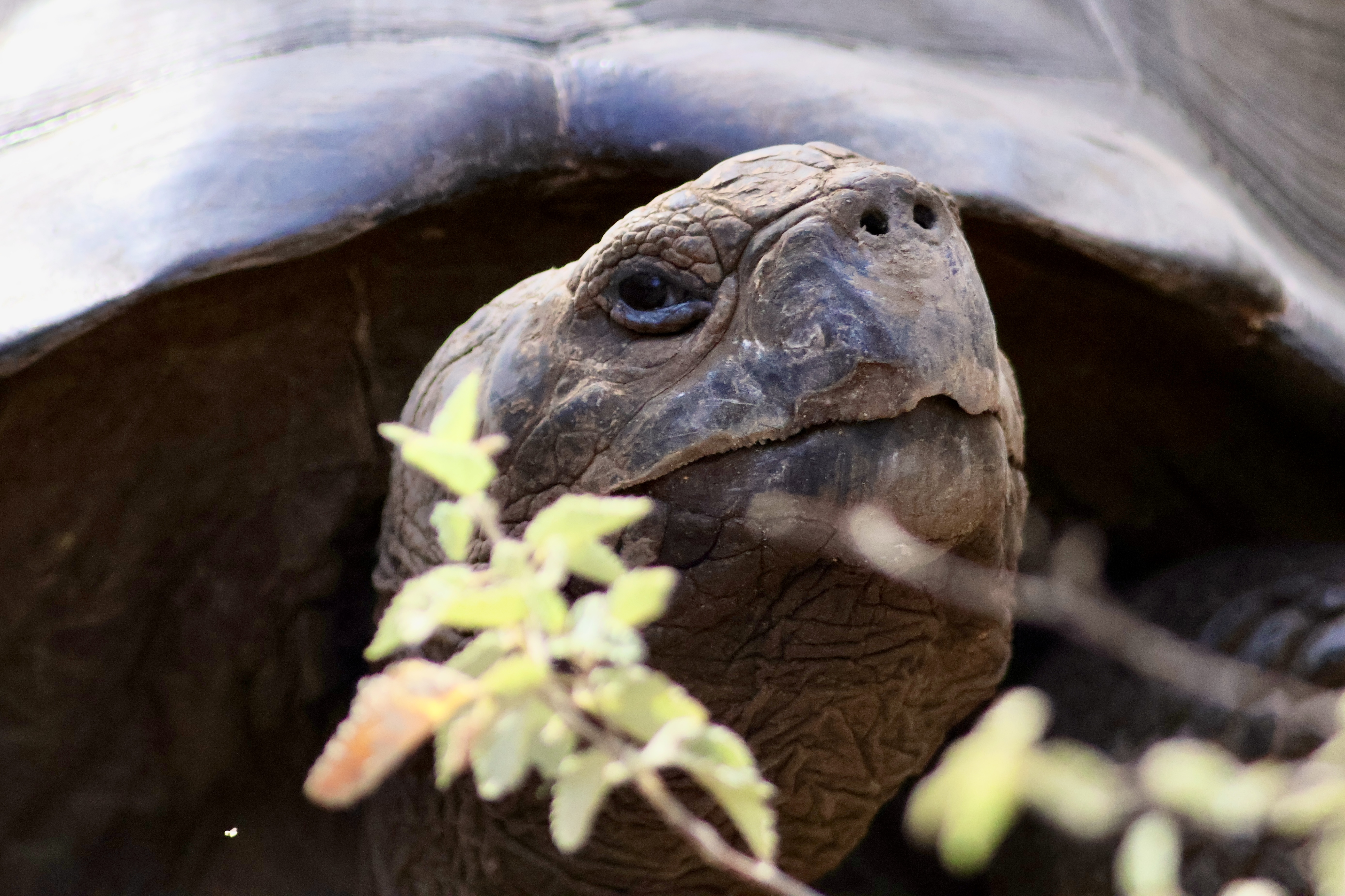
Emerging diseases pose a major threat to endangered wildlife in Ecuador’s world-renowned Galápagos Islands. The Galápagos National Park Directorate requires a better understanding of disease risks to target conservation efforts more effectively and protect the islands’ globally unique species, including giant tortoises, Galápagos penguins, and flightless cormorants. To lead this effort, the Universidad San Francisco de Quito (USFQ), a Cornell Global Hub partner, established a new wildlife postmortem laboratory at its Galápagos Science Center. However, due to strict export restrictions on biological samples, staff are often limited to basic examinations without access to advanced diagnostic testing. Additionally, Ecuador currently lacks formally trained wildlife pathologists, making it difficult to interpret findings in the local laboratory and thus respond effectively.
This project aims to maximize the potential of this new wildlife laboratory by providing training and hands-on postmortem support. While helping to build local wildlife mortality investigation expertise, the collaborative team of researchers will test archived samples to begin improving understanding of diseases of potential concern in high-risk species. As causes of death are determined in key endangered species, the findings will be communicated to the National Park Directorate to support targeted wildlife management practices. Notably, this work prioritizes the long-term development of wildlife pathology expertise in Ecuador through student support and mentorship. The project will help USFQ and the National Park Directorate to develop a local wildlife health surveillance program to protect the endangered species of the Galápagos from disease threats.
Investigators: Carmen Smith (Department of Population Medicine and Diagnostic Sciences), Gabriela Arroyo (Universidad San Francisco de Quito), Thara Cango (Universidad San Francisco de Quito), Andrea Loyola Herrera (Galápagos National Park Directorate), Rommel Lenin Vinueza Sierra (Universidad San Francisco de Quito), Carlos Fernando Mena Mena (Universidad San Francisco de Quito), Andrew Miller (Department of Population Medicine and Diagnostic Sciences)
Partners: Universidad San Francisco de Quito, Galápagos National Park Directorate, Galápagos Biosecurity Agency, Davis-Thompson Foundation, North Carolina State University, Oceanogràfic de València, Wildlife Conservation Society
Written and collated by Caroline Stamm ‘24