
In the News
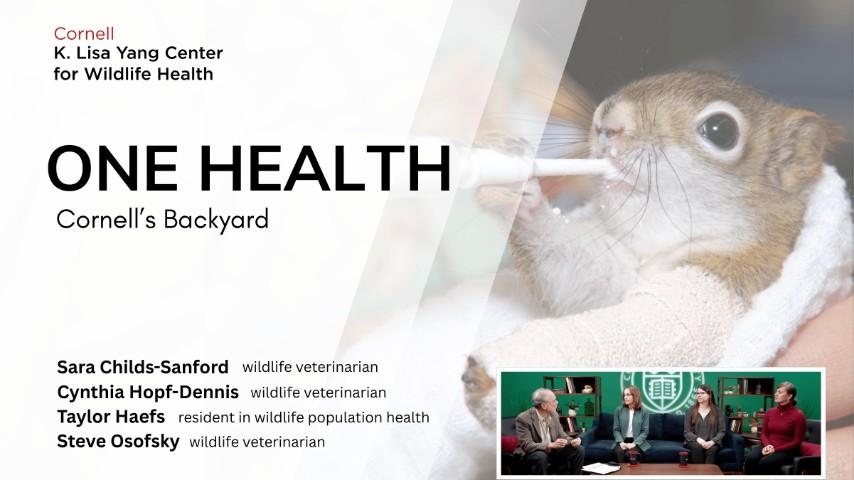
Video
January 22, 2026
In this eCornell Keynote presentation, Drs. Sara Childs-Sanford, Cynthia Hopf-Dennis, and Taylor Haefs from the Janet L. Swanson Wildlife Hospital discuss how their team cares for over 2,000 patients each year and what’s being learned about the wider disease and environmental threats to wildlife in the northeastern U.S....
November 04, 2025
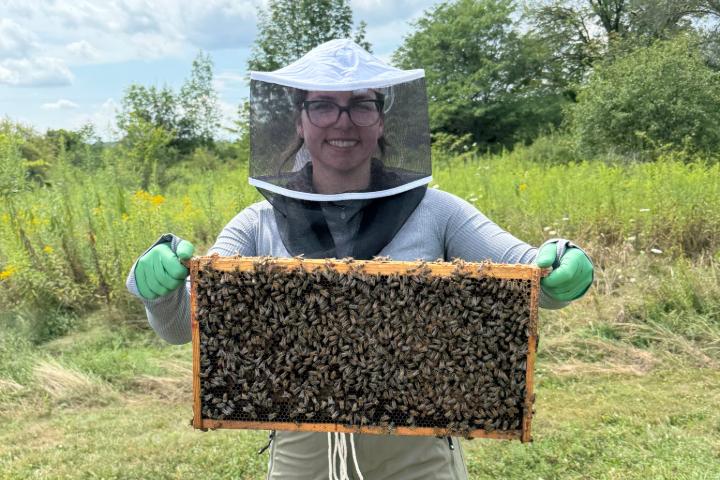
The Cornell K. Lisa Yang Center for Wildlife Health has launched a new residency in wildlife population health, building on the Cornell University College of Veterinary Medicine's leadership in preparing veterinarians to meet the urgent and evolving challenges facing our planet’s wild species.
September 15, 2025
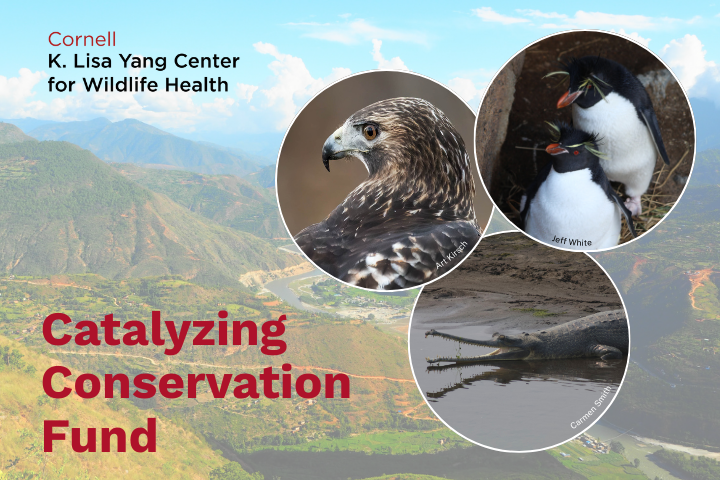
Why are eastern rockhopper penguin populations plummeting in New Zealand? What’s a reliable, rapid test for detecting rodenticide poisoning in live birds of prey? How can we use technology to help diagnose wildlife diseases in Nepal while training local scientists?

July 18, 2025
The Janet L. Swanson Wildlife Hospital, which has more than tripled its caseload over the past decade, is renovating its facilities to treat an increasing number of injured or ill native wild animals.
August 05, 2024
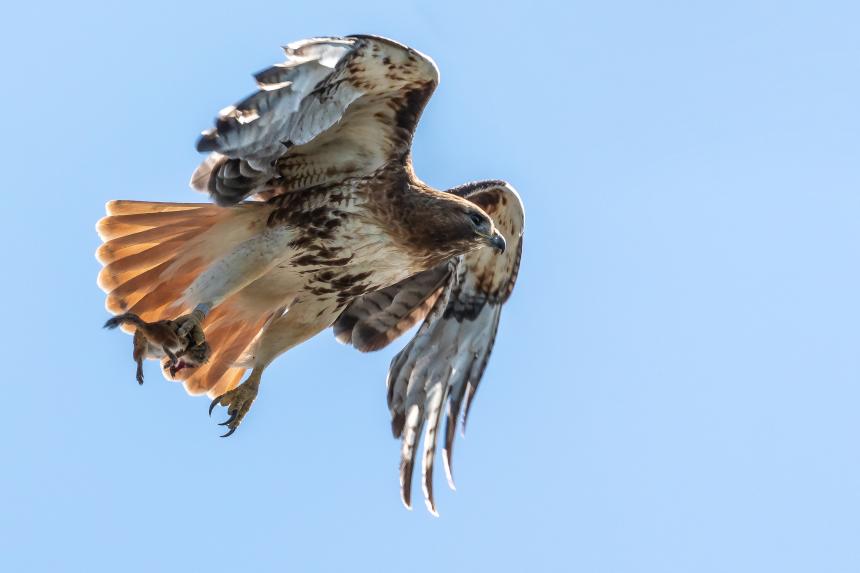
Supertoxic rodenticides are building up inside unintended targets, including birds, mammals, and insects. Scientists, including Cornell's Dr. Cynthia Hopf, want to understand the damage—and limit it.
July 09, 2024
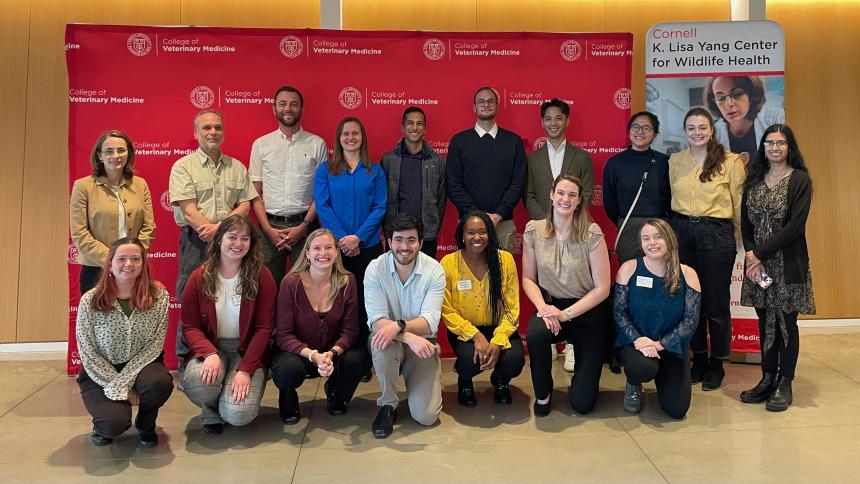
The student-led Zoo and Wildlife Society at the Cornell University College of Veterinary Medicine hosted their second annual Wildlife Conservation Day featuring a diverse set of speakers.
For Your Information
July 05, 2024
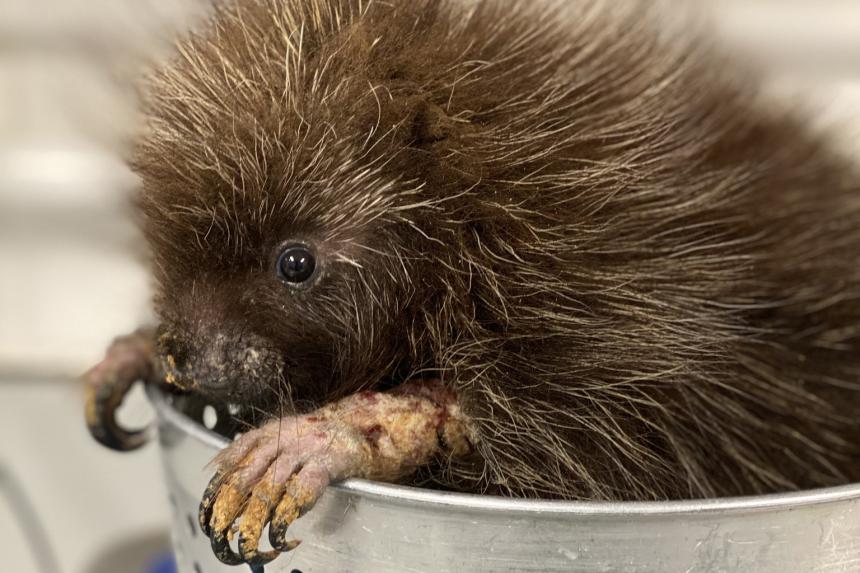
Check out this new paper led by Cornell zoological medicine resident Dr. Laura St. Clair and an interdisciplinary Cornell team studying sarcoptic mange in wild North American porcupines.

November 30, 2023
Dr. Cynthia Hopf-Dennis from the Janet L. Swanson Wildlife Hospital at Cornell University discusses her path to teaching and practicing wildlife medicine and population health to preserve the health and well-being of our native wild animals while educating others about their value.
July 12, 2022
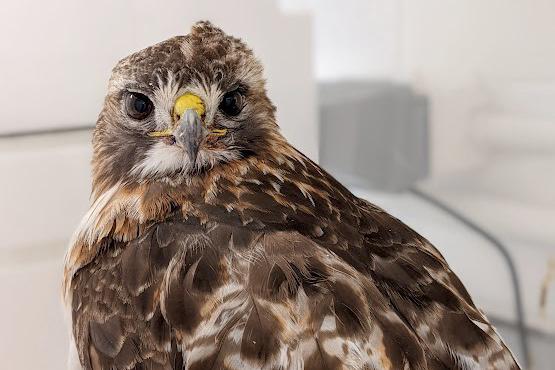
Birds of prey are in trouble, according to a recent study by Cornell researchers. Rodenticides are bad news for wildlife; poisoned rodents may not die immediately and are more likely to be eaten by raptors like red-tailed hawks, passing on the poison to them.

June 27, 2022
West Nile virus may no longer be a death sentence to crows. In a new study from the College of Veterinary Medicine, wildlife experts describe successfully treating and releasing five American crows infected with the deadly disease, These are the first known crows to survive West Nile virus.