
Featured Media
Video
June 10, 2022
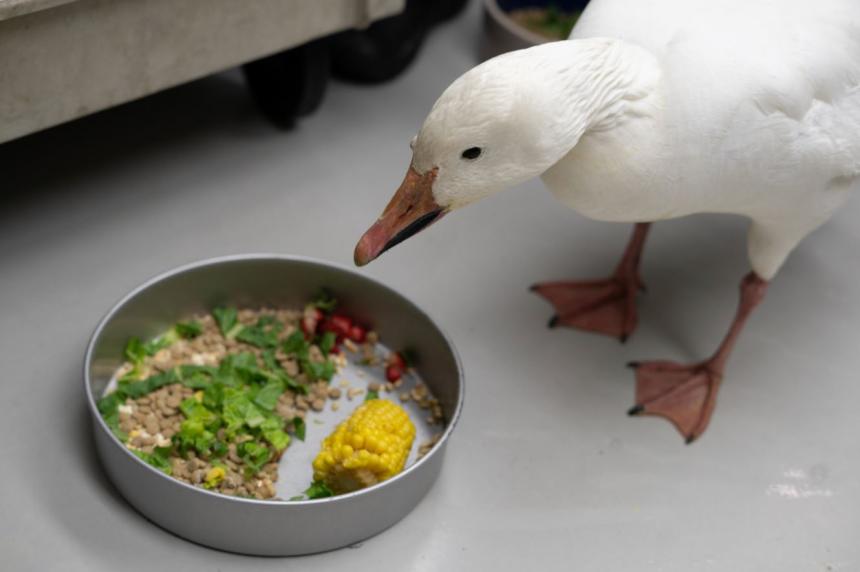
This female snow goose came to the Janet L. Swanson Wildlife Hospital for lead toxicity. She couldn’t keep up with her flock on its migration north because she was too sick to fly. The Cornell team nursed her back to health and she was released back into the wild.
Video
May 17, 2022
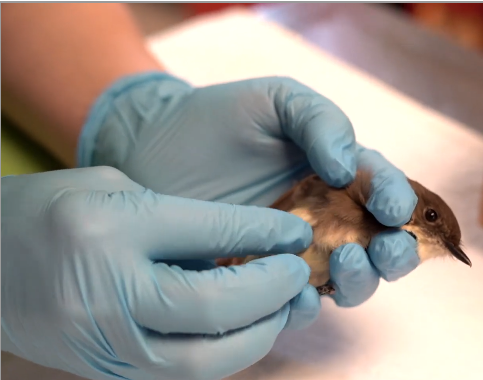
An eastern phoebe songbird was found in a glue trap meant to capture insects and was taken to Cornell’s Janet L. Swanson Wildlife Hospital for treatment.
Video
May 11, 2022
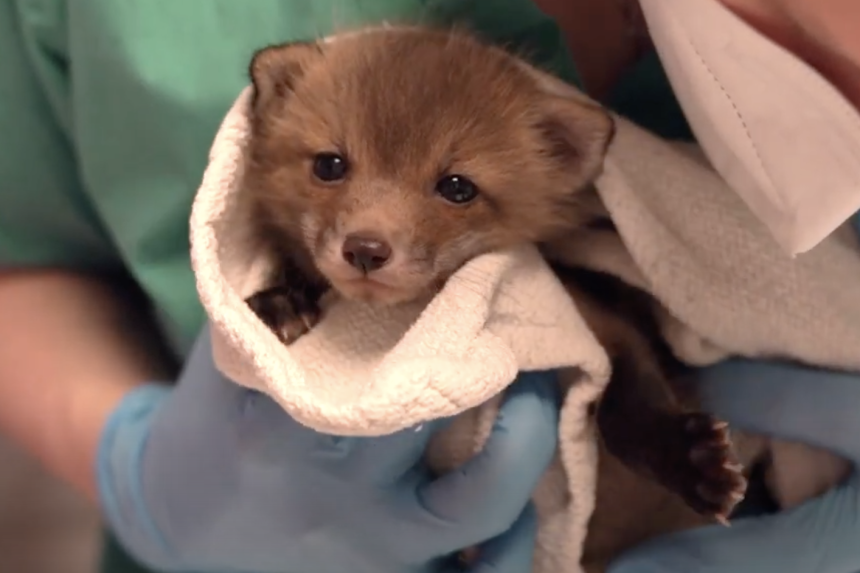
A tiny red fox kit was recently treated for a swollen paw at Cornell's Janet L. Swanson Wildlife Hospital. The fox is expected to make a full recovery.
Podcast
February 25, 2022
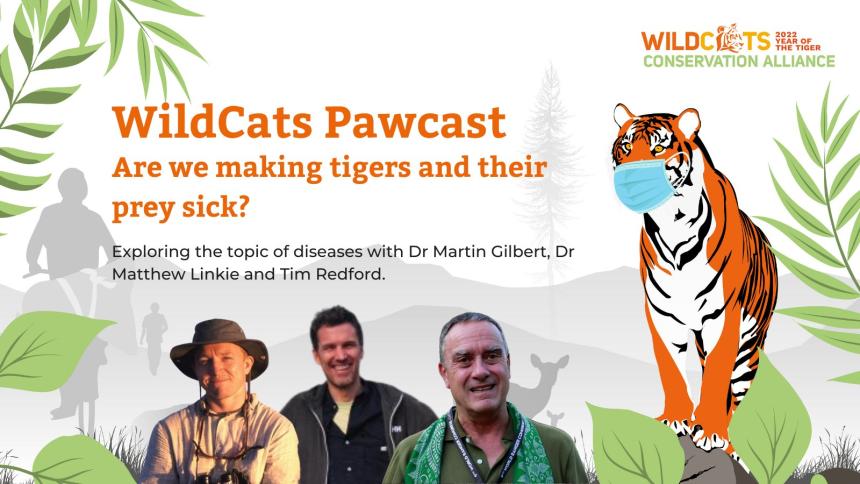
Listen to our Wild Carnivore Health Specialist Dr. Martin Gilbert and other big cat conservationists discuss the impacts of infectious diseases on tiger populations in the first episode of WildCats Pawcast, a brand-new podcast from WildCats Conservation Alliance.
Podcast
February 07, 2022
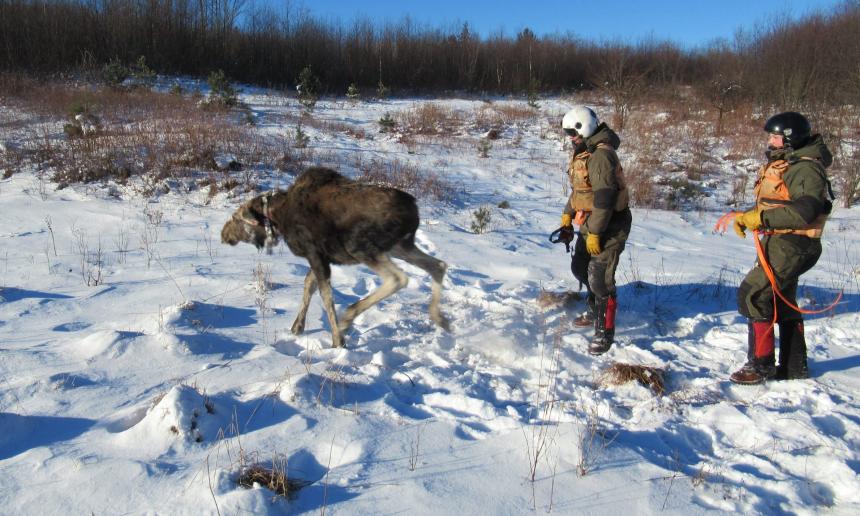
In this podcast, Dr. Krysten Schuler, a wildlife disease ecologist and co-director of the Cornell Wildlife Health Lab, and Jen Grauer, a Cornell PhD student, discuss their latest project to track and study wild moose, led by the New York State Department of Environmental Conservation.
Video
September 22, 2021
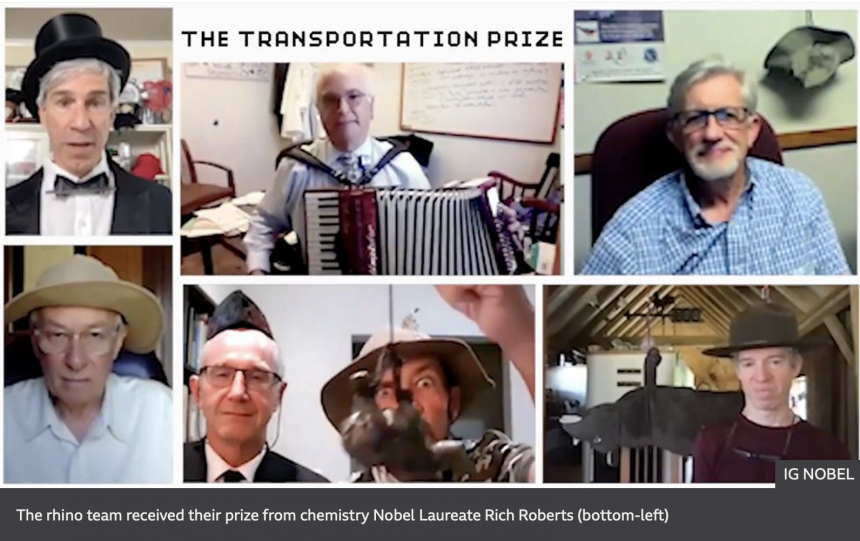
Watch the announcement of this year's Ig Nobel Transportation Prize, awarded to a Cornell-led team for their research on whether it's safer for rhinos to be transported upside-down or on their side.
Video
March 05, 2021
Watch leading public health and conservation experts discuss how future pandemics can be averted if the world’s governments eliminate unnecessary wildlife trade and adopt holistic One Health approaches. The event was co-hosted by Cornell University and WWF.
February 09, 2021
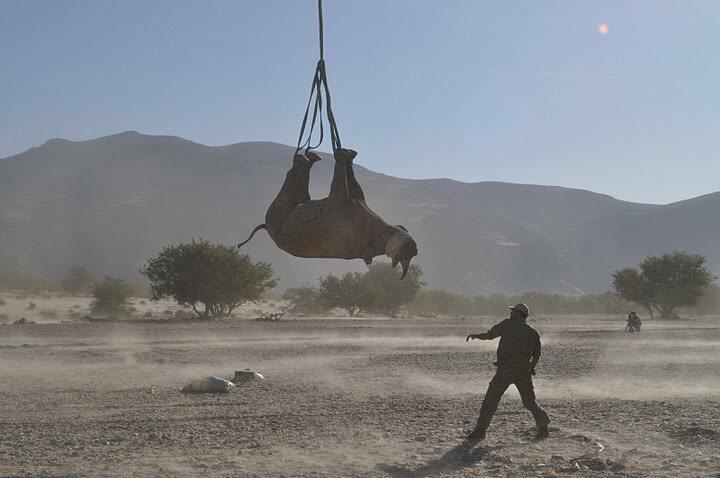
In an effort to save endangered rhinos, Cornell researchers and Namibian colleagues found that transporting rhinos upside down from helicopters was safe and quick.

January 28, 2021
To keep rhinos safe from poaching and to distribute individuals across habitats, management teams must often tranquilize rhinos in remote areas that cannot be accessed by roads — this often leaves one option: airlifting them out via helicopter.
January 13, 2021
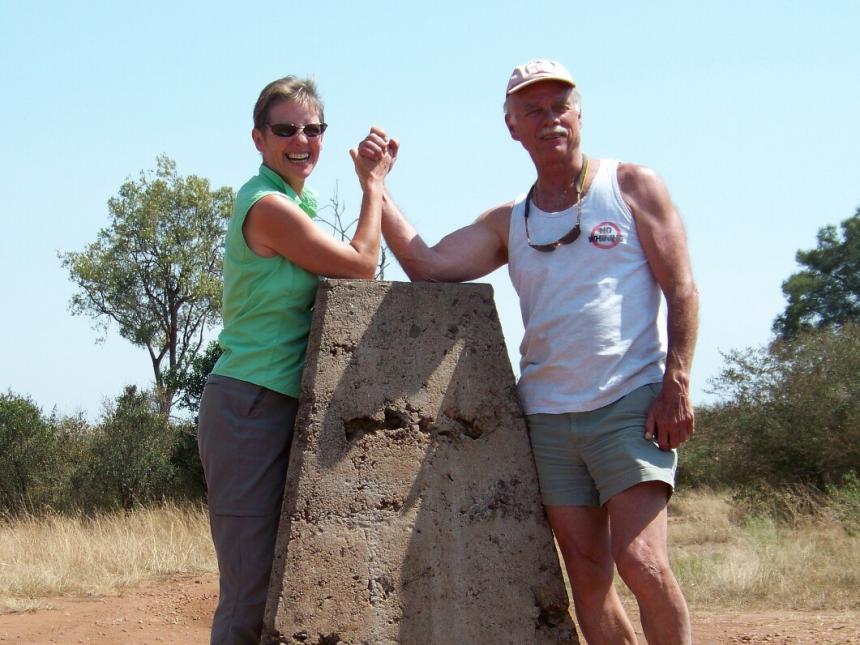
Cornell Wildlife Health Center donor Sue Holt describes how her special connection to southern Africa led her to support our Beyond Fences program and make a significant difference in the well-being of people and wildlife in the region.