Olfactory Approaches to Carnivore Conservation
Using scent-based deterrents to reduce human-felid conflict
The Growing Challenge of Human-Wildlife Conflict in Nepal
Across much of the world, conflict with people has emerged as a major threat to big cats. As large felids such as tigers, leopards, and snow leopards increasingly share landscapes with human communities, encounters between people and predators become more frequent, with grave implications for human safety and livelihoods, as well as for the welfare of the big cats themselves.

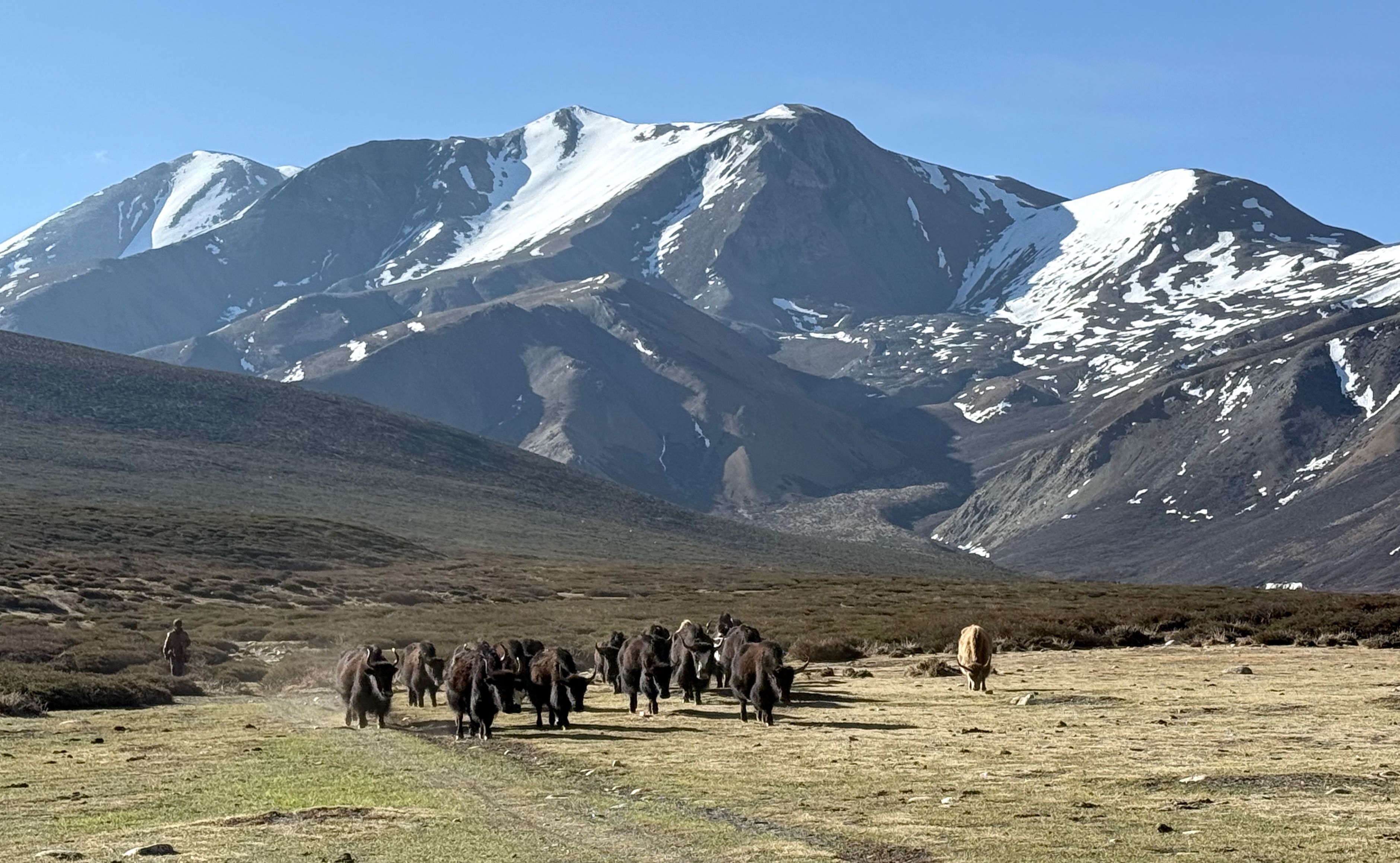
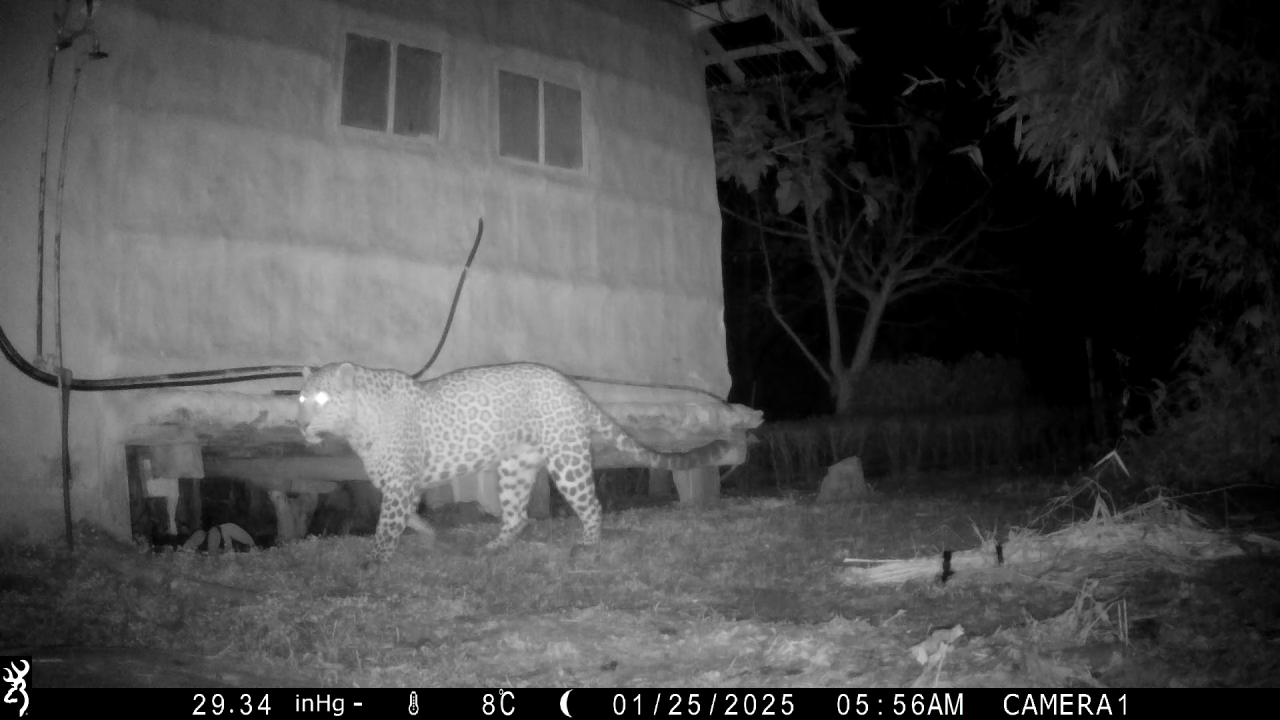
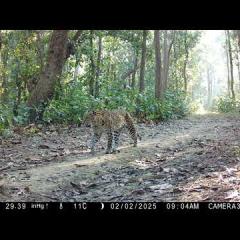
Nepal stands out as a global conservation success story. Robust anti-poaching efforts, habitat restoration, and community forestry have enabled remarkable recoveries in big cat populations. Tiger (Panthera tigris) numbers have nearly tripled in just over a decade, leopards (P. pardus) are now widespread across the country, and snow leopards (P. uncia) persist at some of the highest densities recorded anywhere in the world. Yet this success has also intensified a difficult reality: more predators living in close proximity to people inevitably leads to more conflict.
These conflicts often arise when big cats prey on livestock or, more rarely, attack people. The impacts on rural communities can be profound, and include loss of income, threats to safety, and psychological trauma and stress. In response, retaliatory killings frequently occur and represent one of the leading causes of mortality for large felids. In many cases, these killings are often carried out using inhumane methods such as poisoning, snaring, or blunt-force trauma, and even those cats that survive can be left with debilitating injuries.
Existing strategies to manage conflict have had limited success. Translocation can injure animals, disrupt social structures, and sometimes exacerbate conflict, while captivity is rarely a viable or humane long-term solution. Despite decades of effort, conflict incidents continue to rise in many regions, highlighting the urgent need for innovative, effective approaches.

Addressing human-wildlife conflict is now central to the future of big cat conservation. Without new solutions that protect both people and predators, the gains achieved in wild carnivore population recovery could be undermined by escalating cycles of conflict and retaliation.
Scent-Based Deterrents for Conflict Reduction
The BioBoundary Project, led by our co-investigator Dr. Peter Apps, has pioneered a new approach to reducing conflict between people and large predators. Initially developed in Botswana, this strategy leverages the chemical signals predators use to communicate with one another. The strategic application of scent-based deterrents aims to keep big cats away from livestock and human settlements, thereby reducing the need for lethal control.
BioBoundary deterrents are semiochemicals, naturally occurring compounds found in predators’ scent marks. By strategically applying these compounds in a landscape, researchers can create invisible “olfactory boundaries” that signal another animal’s territory to big cats, prompting them to avoid these areas. This method leverages the animals’ innate behavior to guide them away from high-risk situations.
Benefits of Olfactory Deterrents
By influencing predator behavior rather than physically excluding animals, scent-based deterrents could offer a practical new approach to reducing conflict. Unlike physical barriers such as fences, which can be costly, difficult to maintain, and disruptive to wildlife movement, these deterrents are minimally invasive, allowing predators and other wildlife to continue using shared landscapes and ecological corridors without unintended impacts on non-target species. An additional advantage of this approach is its practical applicability in remote settings. The deterrents are relatively low-cost, require limited infrastructure, and can be deployed in a targeted and flexible manner, allowing communities to respond to periods or locations of elevated conflict risk.
Implementing Scent-Based Deterrents in Nepal

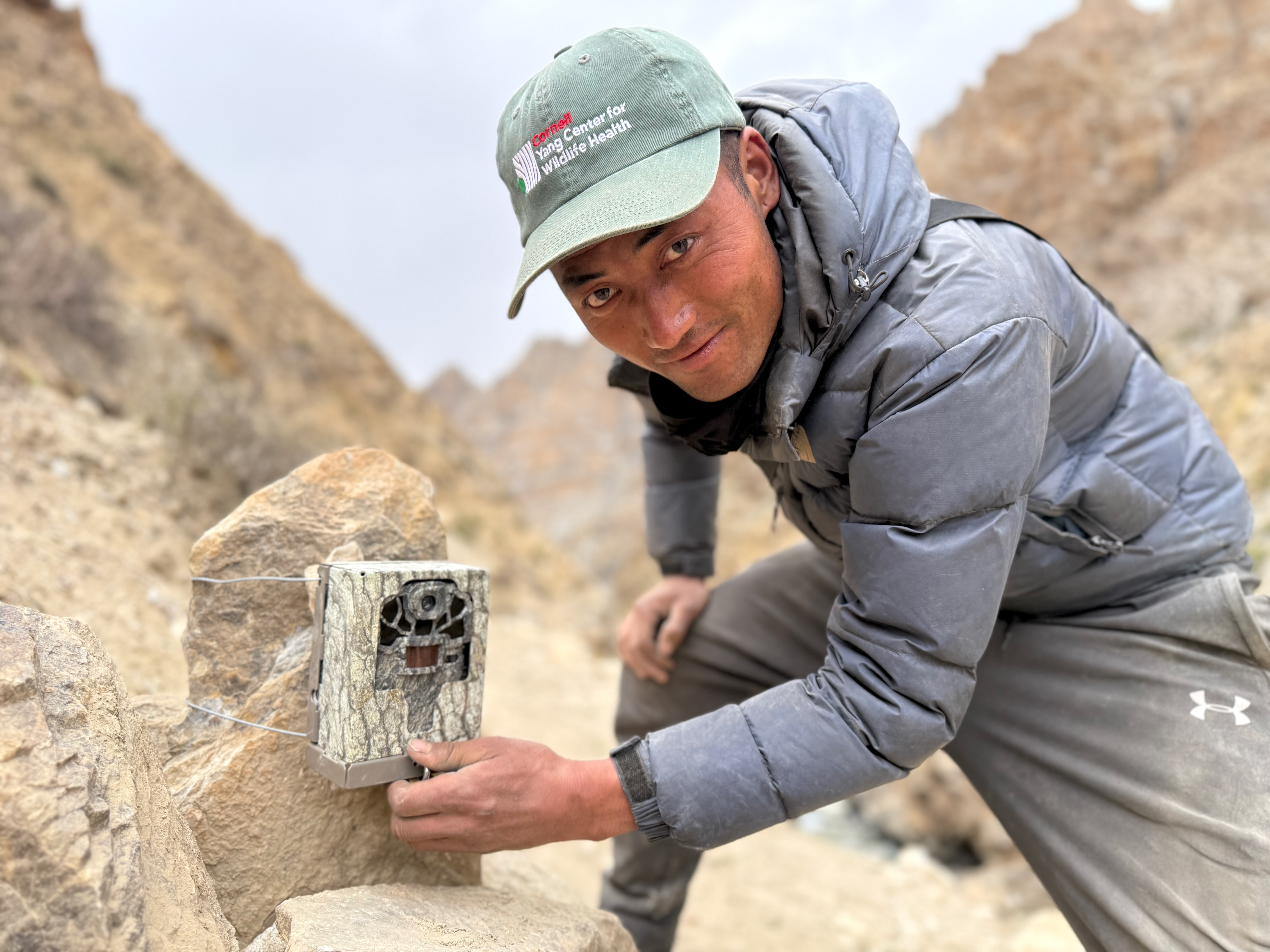
We have teamed up with Wild Entrust to adapt and test scent-based deterrent strategies in Nepal. Our work responds to the need to reduce human-felid conflict in areas with high predator densities. In collaboration with the Government of Nepal’s Department of Forests and Soil Conservation (DoFSC) and WWF Nepal, we are conducting field trials in conflict-prone areas to evaluate the efficacy of olfactory deterrents. Selected compounds are being evaluated for their ability to reduce predation within livestock enclosures and other high-risk settings.
Because tigers, leopards, and snow leopards differ in their ecology and communication systems, our research explicitly examines variation in behavioral responses across species. This work is complemented by efforts to refine application strategies, including delivery systems, dosing, and approaches to minimize habituation over time.
This work represents the first application of olfactory deterrents in Asia. Beyond testing efficacy, we seek to generate practical knowledge about how such tools can be implemented in real-world settings, integrating ecological field experiments with considerations of scalability, cost, and usability in community-managed landscapes.
We envision that olfactory deterrents will form part of an integrated framework for human-wildlife coexistence that supports both the continued recovery of big cat populations and the livelihoods of the people who share their landscapes.
Building Local Capacity
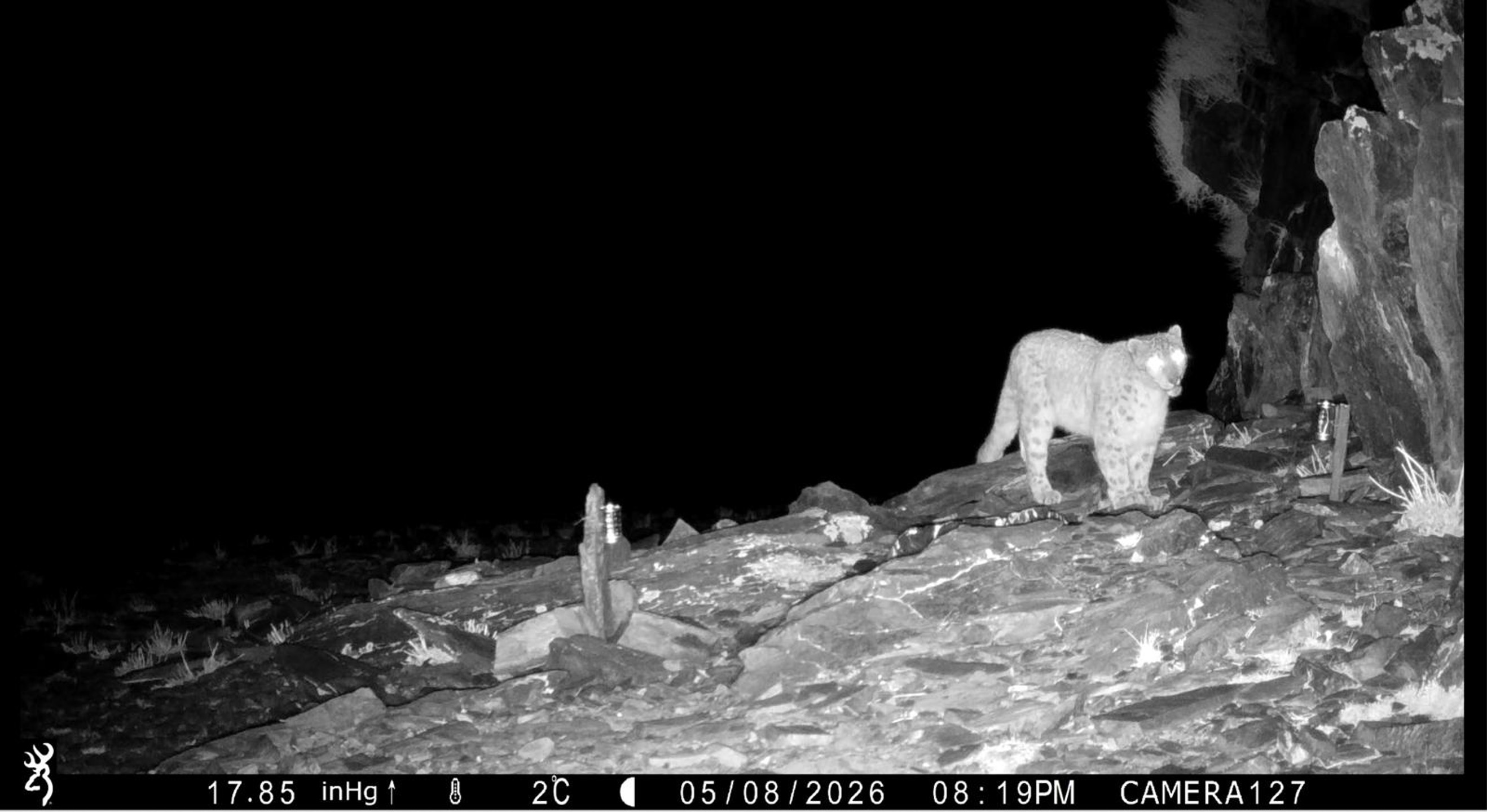
A central component of our work is the development of sustainable, locally-adapted models for financing, adoption, and long-term use of the chemical deterrent approach. In parallel with field trials, we are evaluating mechanisms that enable communities to manage and maintain the deterrent stations (small vials of the volatile chemical with semi-permeable covers) independently, positioning them as a lasting, locally driven approach to reducing human-wildlife conflict. Because scent-based deterrents are low-cost and low-tech, they are more directly accessible to individuals and community organizations. This accessibility supports local autonomy, reducing reliance on external subsidies, technical inputs, and centralized management systems, which can be slow or difficult to access.
By empowering communities to take a leading role in conflict mitigation, this approach aims to foster resilience and long-term stewardship of conservation efforts.