
In the News
Blog
February 12, 2026
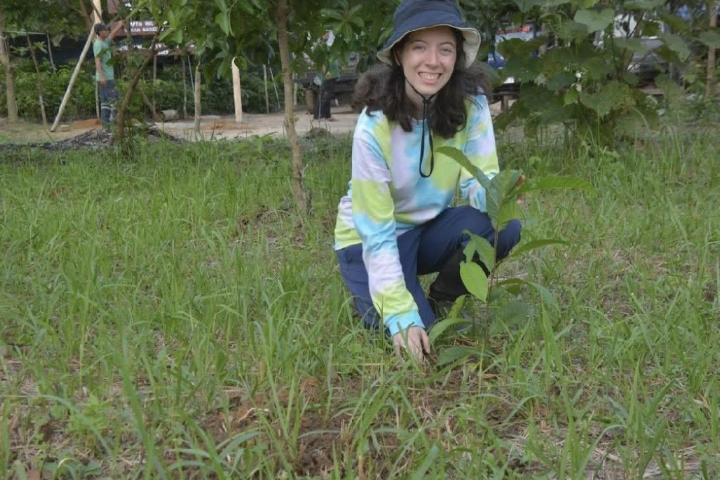
When I got selected to participate in Dr. Robin Radcliffe’s summer experiential learning course in Indonesia, I had no idea what to expect. All I knew for sure was that I was going to Indonesia for eight weeks, and that critically endangered Sumatran rhinos would be involved....

January 20, 2026
From a Georgia laundry room full of rescue animals to a Sumatran rhino sanctuary, Cornell sophomore Rikki Carver is building a life shaped by care, courage, and wonder....
Blog
February 01, 2022
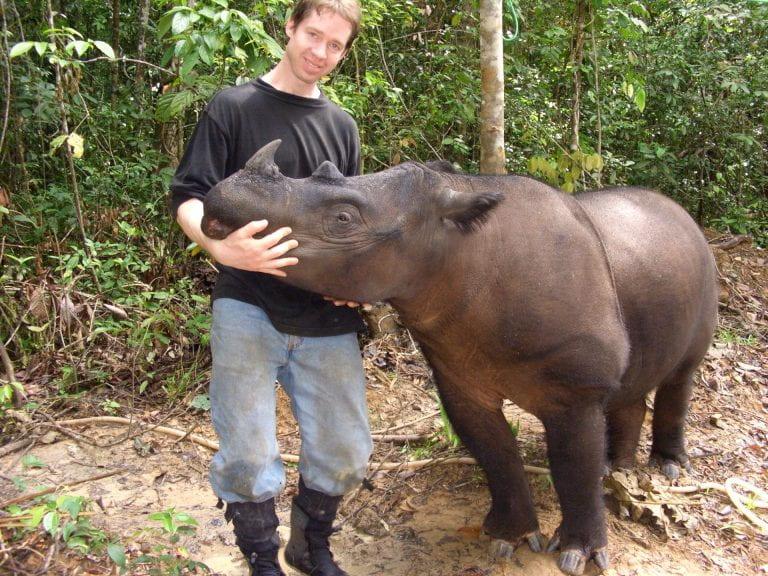
Cornell veterinary student Colleen Sorge, DVM '24, speaks with Cornell Wildlife Veterinarian Dr. Robin Radcliffe about his career in wildlife health and conservation.
February 16, 2021
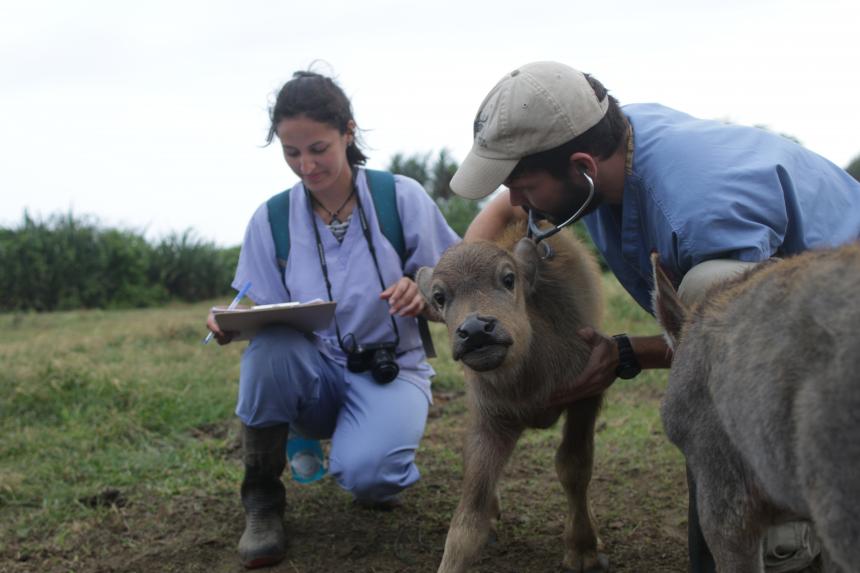
A few weeks ago I learned about trypanosome parasites in parasitology class. As the professor explained what diseases these parasites cause, one species of trypanosome in particular stood out to me, Trypanosoma evansi. T. evansi is transmitted by tabanid flies and is found throughout Africa, Asia and tropical America, and it causes a disease called surra in all domestic species.
Blog
September 09, 2020
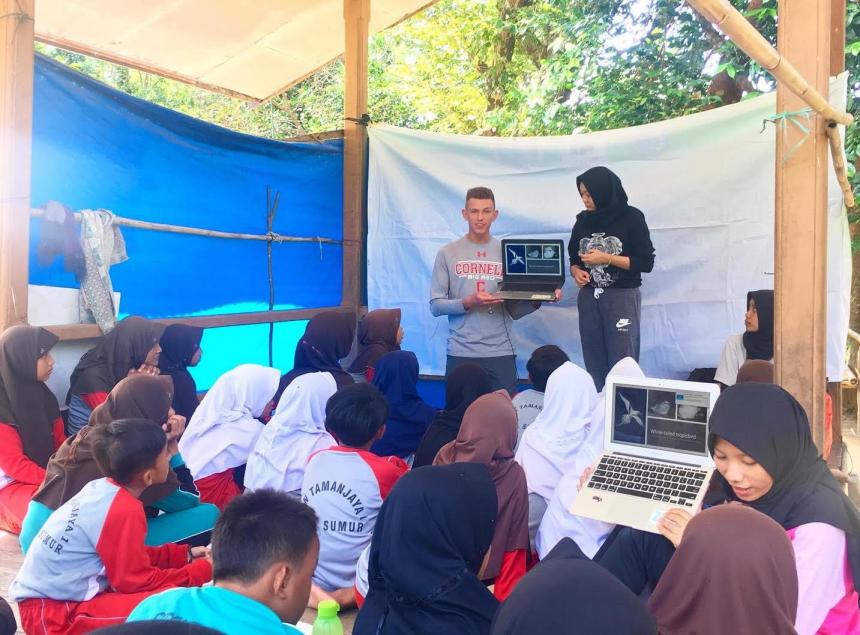
Cornell veterinary student Alexander Levitskiy ’24 reflects on his experience working in Indonesia last summer as part of an international program that exposes students to wildlife conservation work.
December 13, 2018
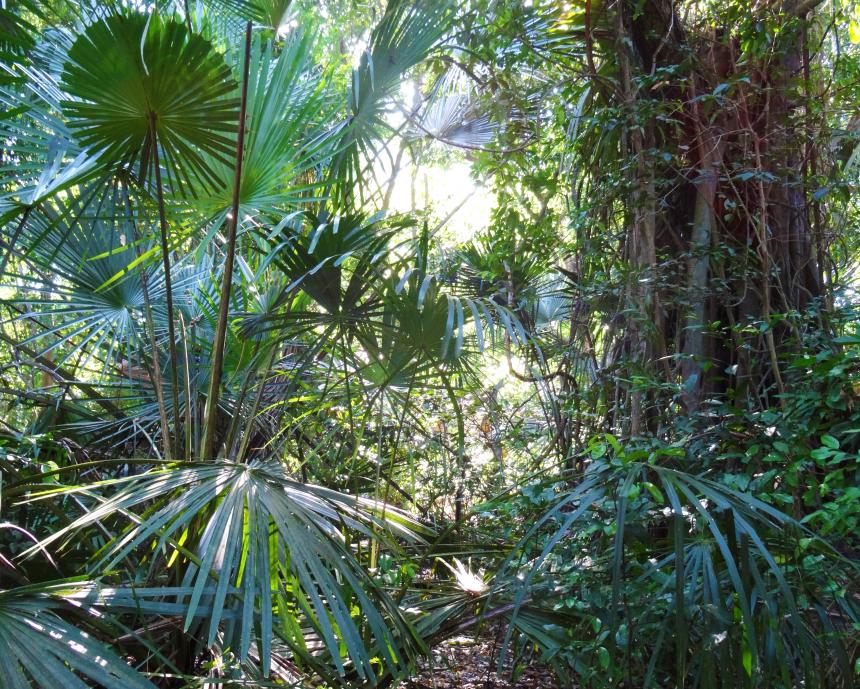
Cornell undergraduate Montana Stone ’19 is documenting the normal vocalizations of Javan rhinos for the first time. The recordings will allow scientists to better monitor the Javan rhino population, gain insights into group dynamics and structure, and potentially help to identify ideal candidates for eventual translocation to establish a second population.
November 08, 2018
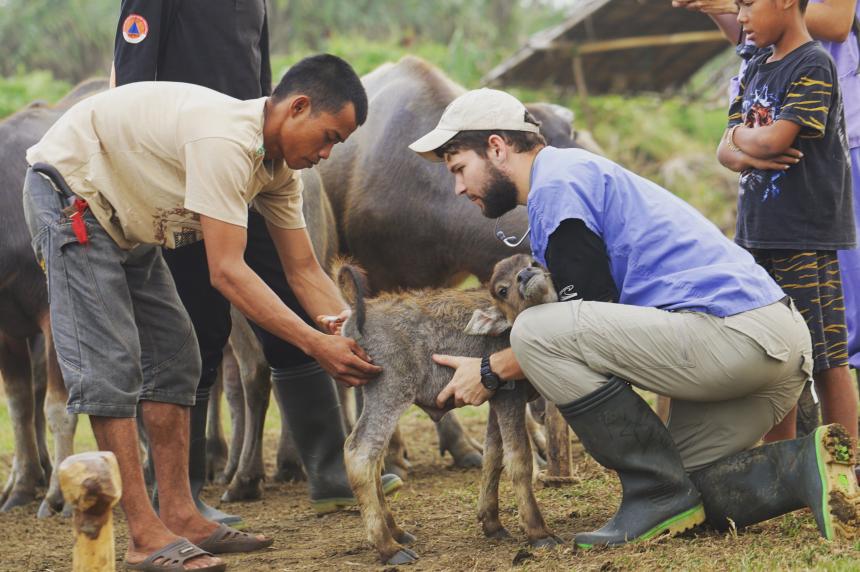
There are only an estimated 68 Javan rhinos left on the planet, and Cornell is working with Indonesian partners to investigate disease threats and translocation techniques to help secure a future for this critically endangered natural treasure.
May 04, 2018
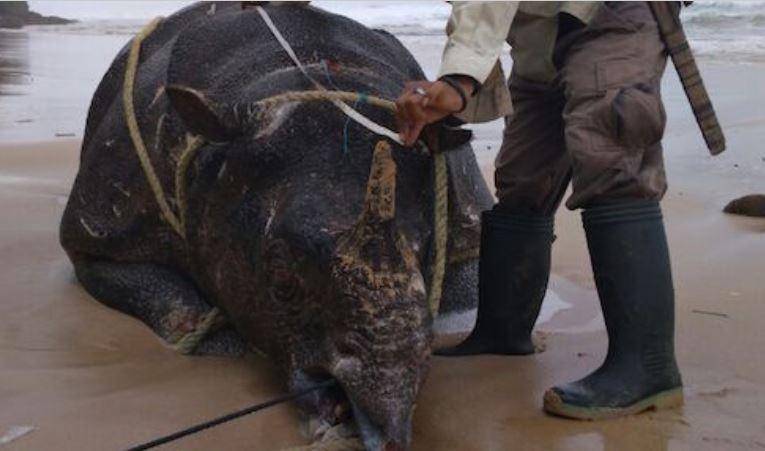
Last month, rangers in Indonesia’s Ujung Kulon National Park found an adult male rhino dead on a beach. A necropsy determined the rhino’s death was due to complications from a twisted bowel, putting to rest fears of poaching or contagion.
For Your Information
January 01, 2018
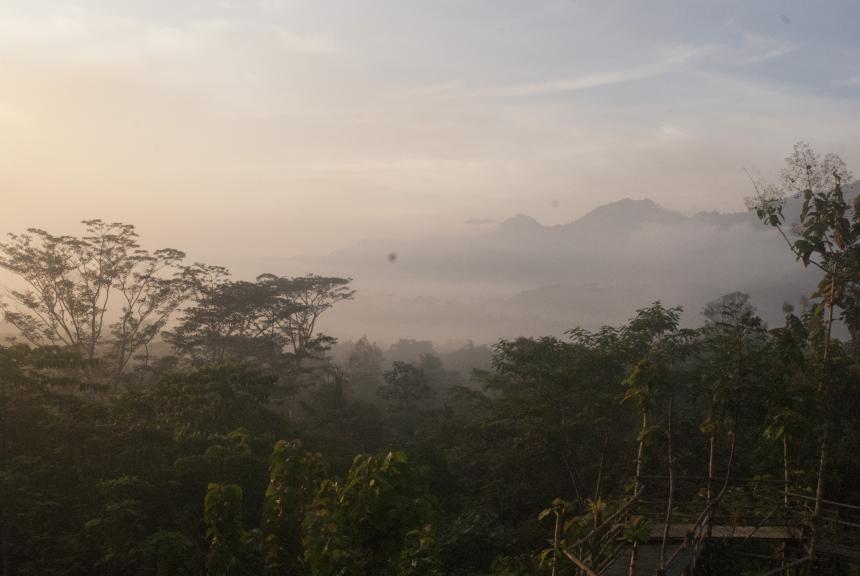
In Indonesia, Cornell Wildlife Health Center scientists and partners are monitoring potential disease threats to the critically endangered Javan rhino as plans move forward to expand their habitat.