
In the News
August 08, 2019
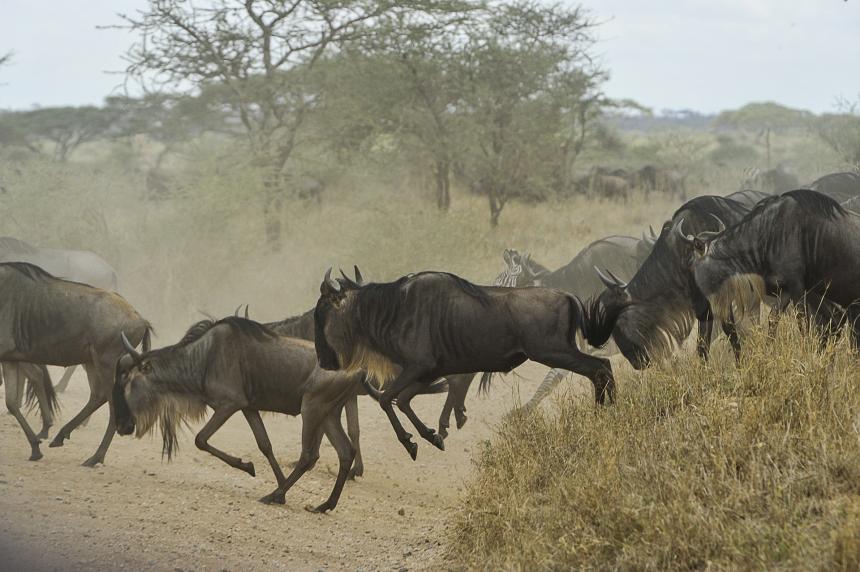
Botswana's Department of Veterinary Services and Cornell's AHEAD Program have completed a comprehensive road map that offers real hope for local farmers and wildlife impacted by animal disease.
Announcement
April 01, 2019
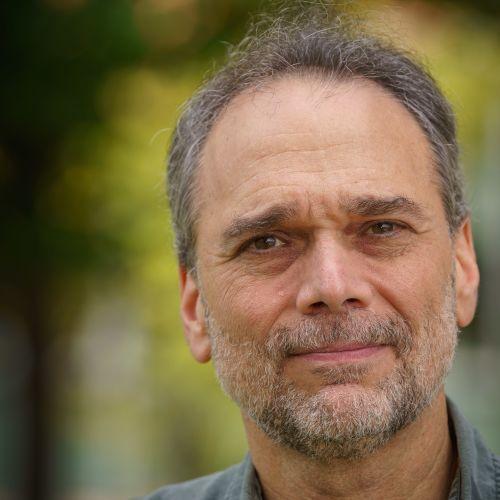
Dr. Steve Osofsky, Director of the Cornell Wildlife Health Center, was named a National Geographic Explorer after receiving a grant to reconcile conflicts between wildlife conservation and livestock agriculture in southern Africa.
March 14, 2019
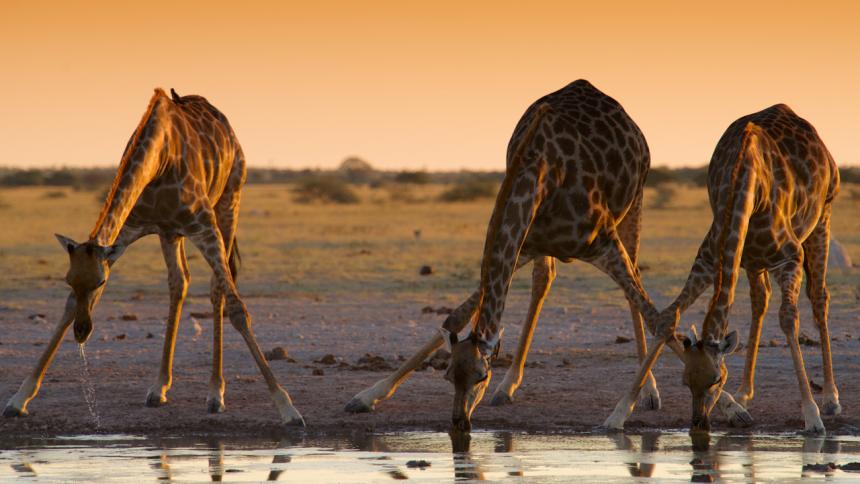
Botswana is considering significant changes to its approach to wildlife management. Cornell Wildlife Health Center's Dr. Steve Osofsky believes that now is not the time to cut-off migratory corridors or build new fences. Instead, it's time to make land-use decisions that will be socially, ecologically and economically sustainable for generations to come.
February 16, 2019
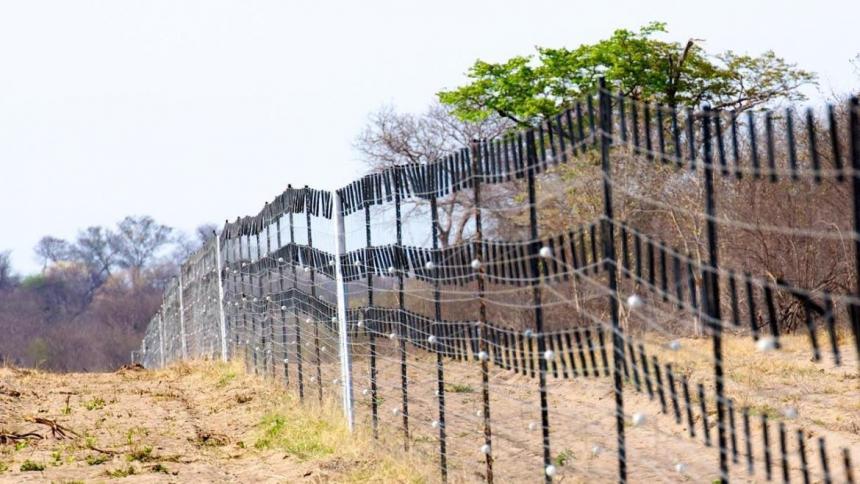
Cornell’s Dr. Steve Osofsky discusses ways to manage foot and mouth disease to enable African farmers to sell safe beef without the need for vast disease control fences that impede migratory wildlife.
November 09, 2018
Now more than ever, animal and human health issues require solutions that span oceans and borders - and the Cornell University College of Veterinary Medicine is hard at work. Read about the impacts our faculty and staff, students, and alumni are having around the globe.
Announcement
September 17, 2018
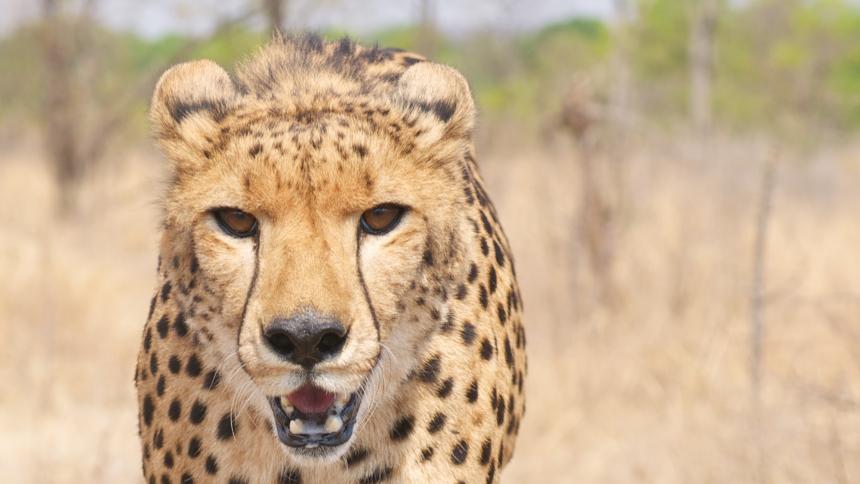
The Animal & Human Health for the Environment And Development (AHEAD) Program was launched 15 years ago at the International Union for Conservation of Nature's World Parks Congress in Durban, South Africa. Since then, the program has focused on interrelated challenges impacting land-use, animal and human health, wildlife conservation, and poverty alleviation.
March 27, 2018
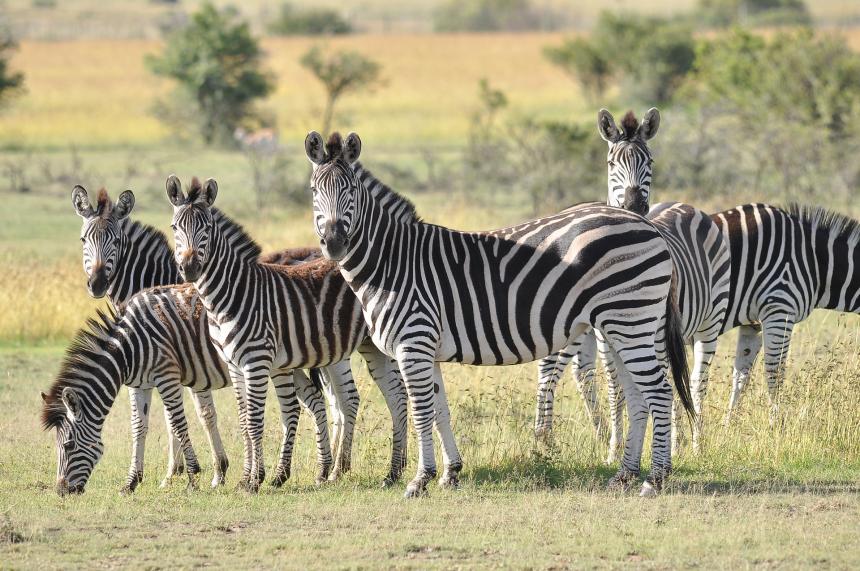
Our team is working with southern African partners to implement an alternative approach to beef production in places where foot and mouth disease virus resides naturally in wildlife, assisting poor farmers while allowing for a potential reassessment of disease control fences that have blocked key wildlife migration routes for generations.
News
January 24, 2018
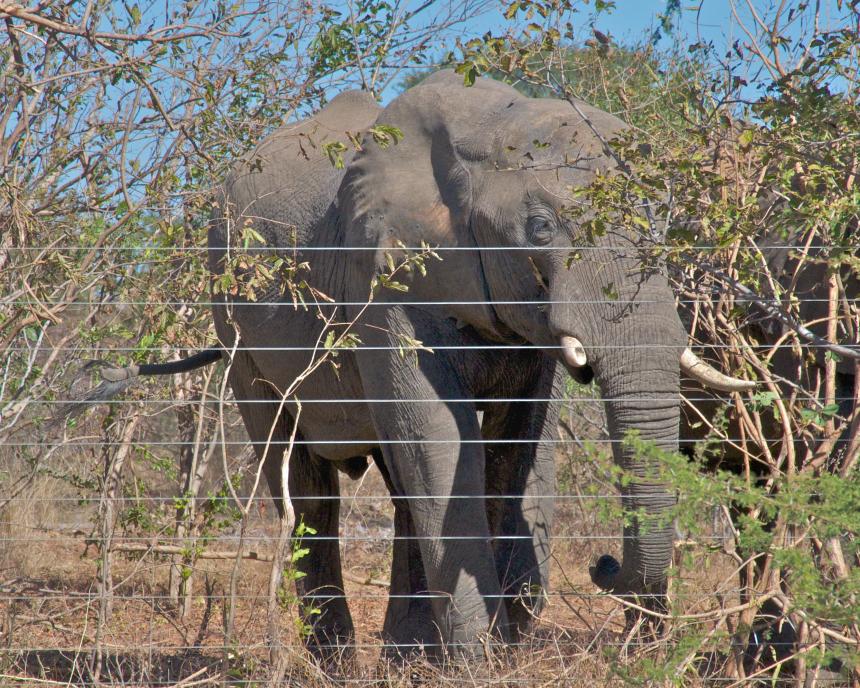
Cornell researchers and partners are developing novel approaches for mitigating conflicts between livestock agriculture and wildlife conservation in southern Africa, where both sectors are vital to people and planet.
December 13, 2017
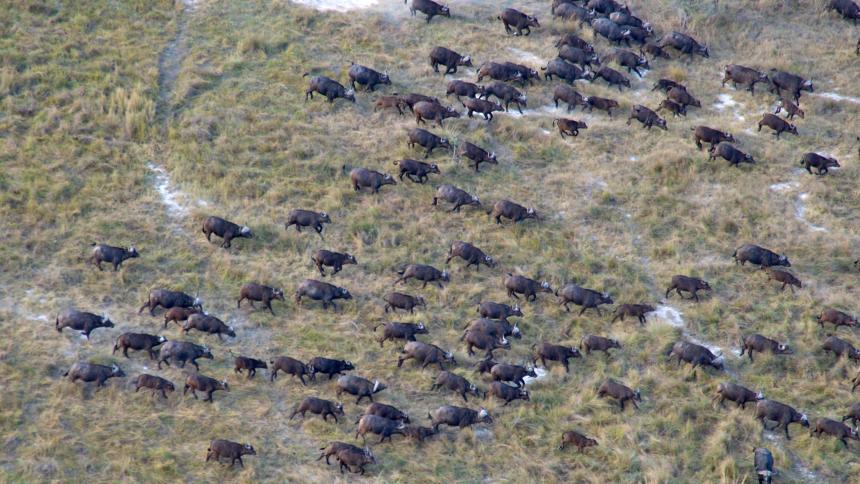
For generations, international trade practices have dictated that rural southern Africans cannot protect nearby wildlife and, at the same time, farm cattle because of animal disease concerns....
Announcement
November 08, 2017
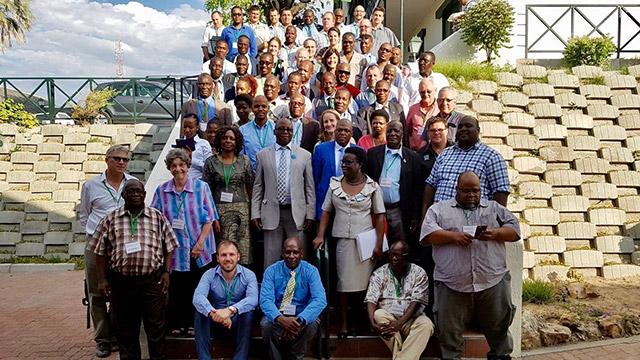
Our work with southern African partners to reconcile decades of conflict between the livestock and wildlife sectors continues to progress. Proceedings are now available from the "Working towards a Win-Win Solution for Livestock Agriculture & Wildlife Conservation in Ngamiland, Botswana" forum held in partnership with the Government of Botswana.