
Faculty Feature: Dr. Rodman Getchell Reflects on a Career in Fish Health, Mentorship, and Collaboration
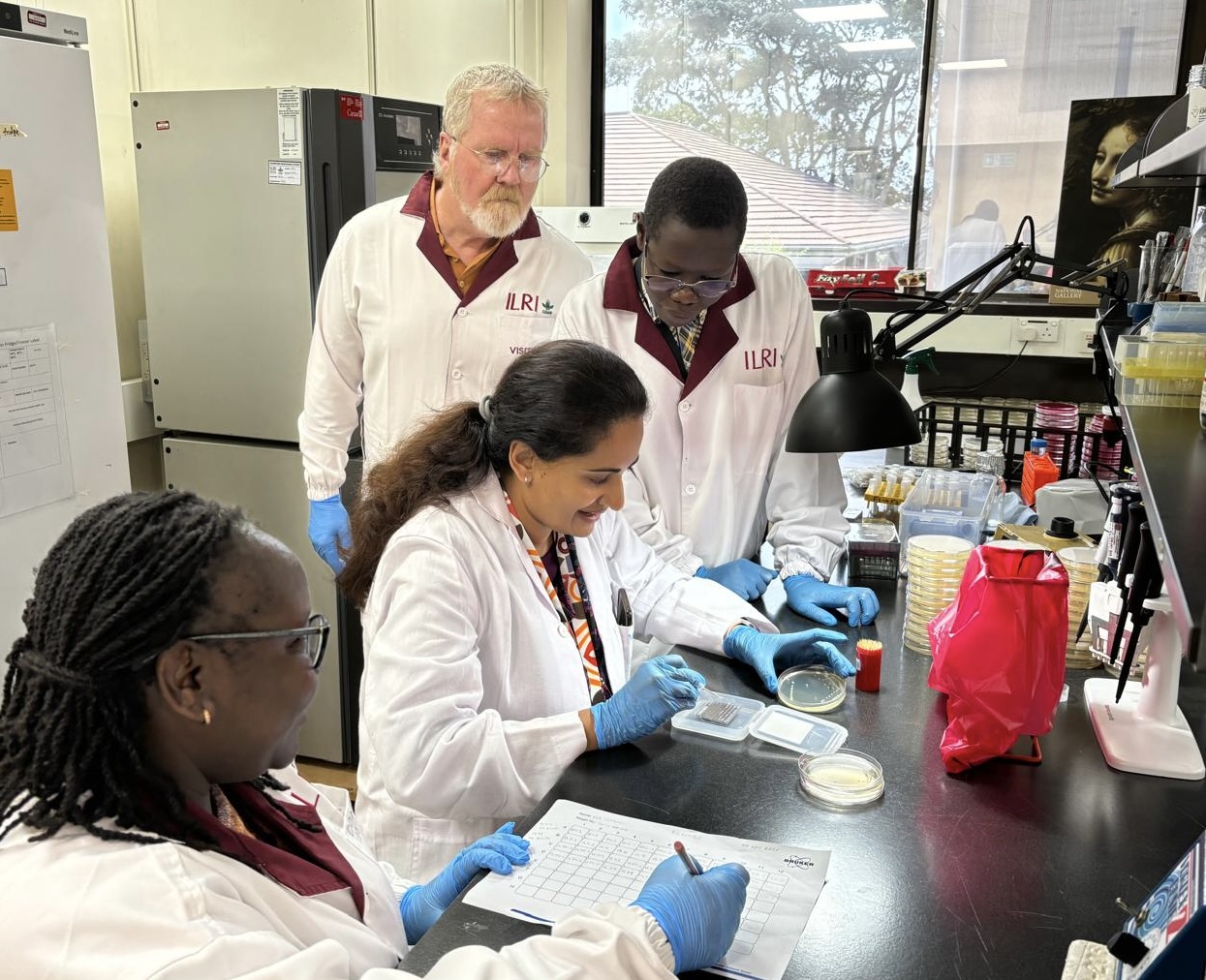
Even in retirement, Dr. Rodman Getchell still had 60 round goby samples waiting in a university freezer.
Recently named Emeritus Associate Research Professor at Cornell University’s College of Veterinary Medicine (CVM), Getchell is preparing one final investigation into the spread of invasive gobies through New York’s waterways. The project will cap nearly four decades of pioneering, interdisciplinary research during which he studied emerging diseases in aquatic ecosystems, helped bridge the gap between fisheries science and veterinary medicine, and inspired generations of students to pursue careers in aquatic animal health.
Yet Getchell did not originally set out to study fish diseases.
As an undergraduate at the University of New Hampshire (UNH), he studied microbiology while developing an interest in zoology. Two immersive experiences ultimately redirected his career: a summer at the Shoals Marine Laboratory, a joint program between Cornell and UNH, and a semester aboard a research vessel, the Westward, a 125-foot staysail schooner operated by the Sea Education Association (SEA).
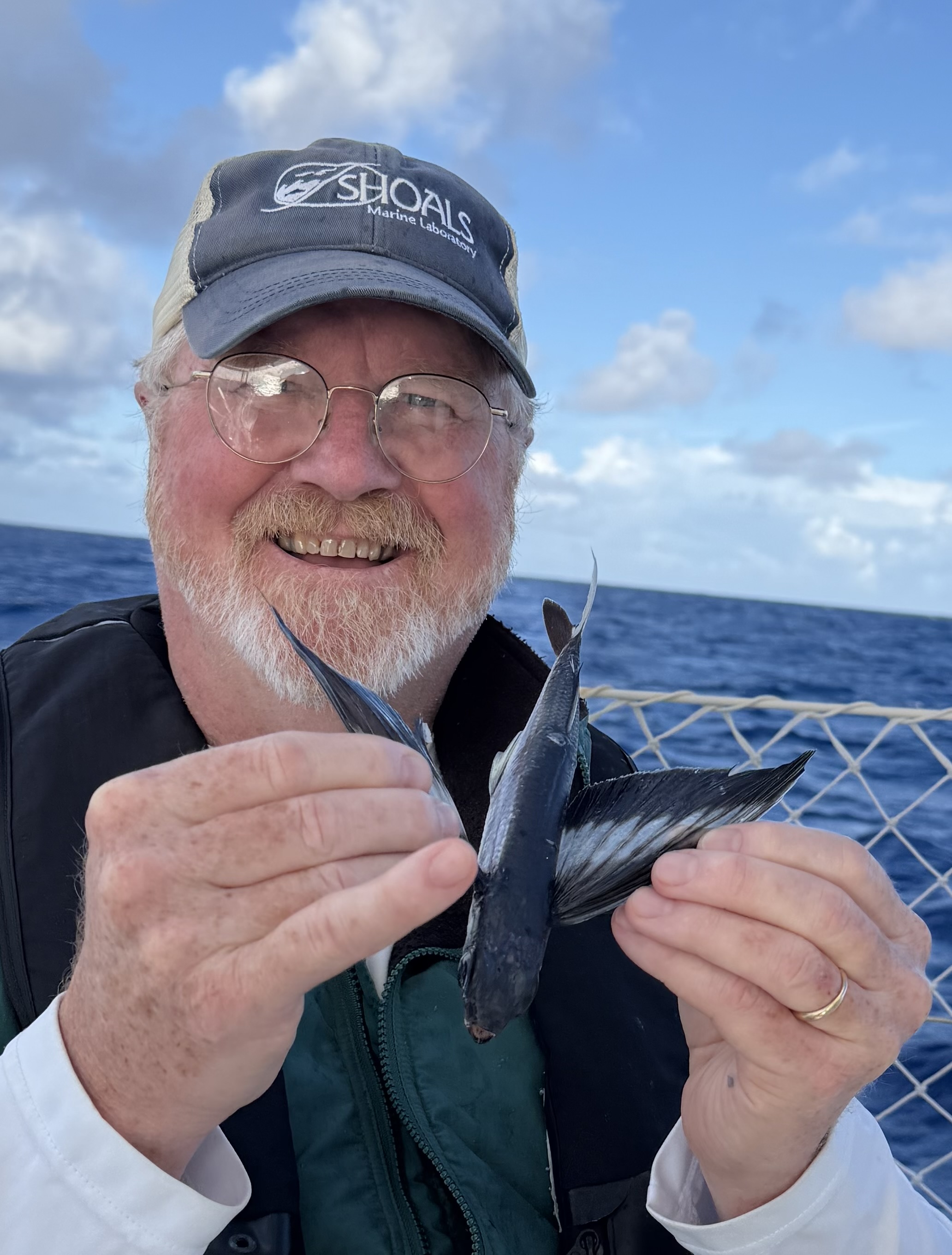
“During the SEA expedition, I read lots of journals focused on fish disease and aquatic organisms,” Getchell recalled. “I remember thinking how exciting each topic was and how microbiologists can study the health of fish and marine organisms. I thought, ‘This is what I could do.’”
That realization led him to Oregon State University, where he earned a master's degree studying diseases of salmon and trout. From there, he joined the Maine Department of Marine Resources to monitor harmful algal blooms and manage the health of lobsters, scallops, and shellfish.
The connections he made at Shoals eventually brought him to Cornell, where he joined CVM’s Department of Avian and Aquatic Animal Medicine as an extension associate and research support specialist, first working alongside Dr. Jan Spitsbergen and then poultry disease expert Dr. Benjamin Lucio-Martinez.
"It was a really great experience," Getchell reflected. "The work broadened the skills in my toolbox and encouraged me to pursue my Ph.D."
His doctoral research focused on retrovirus-induced tumors in walleye, after which he completed postdoctoral training under the mentorship of Dr. Paul Bowser, now emeritus professor of aquatic animal medicine. “We used the diagnostic cases that entered the lab to find new viruses and diseases, and these would become our research topics,” Getchell said.
In Bowser's laboratory, he investigated diseases affecting fish populations across New York State, including those caused by koi herpesvirus, largemouth bass virus, and type E botulism. The laboratory identified or characterized several diseases previously unknown in the region, with every new pathogen raising a series of questions: How did it spread? Which species were vulnerable? What damage did it cause?
“Our goal with each disease was to understand how it caused illness, how serious it was for New York's fisheries, and whether there was anything managers could do to respond,” Getchell explained.
One of the laboratory's most influential investigations came in 2005, when viral hemorrhagic septicemia virus (VHSV)—a devastating pathogen previously associated with European trout farms—emerged in the Great Lakes, causing widespread fish kills across dozens of species.
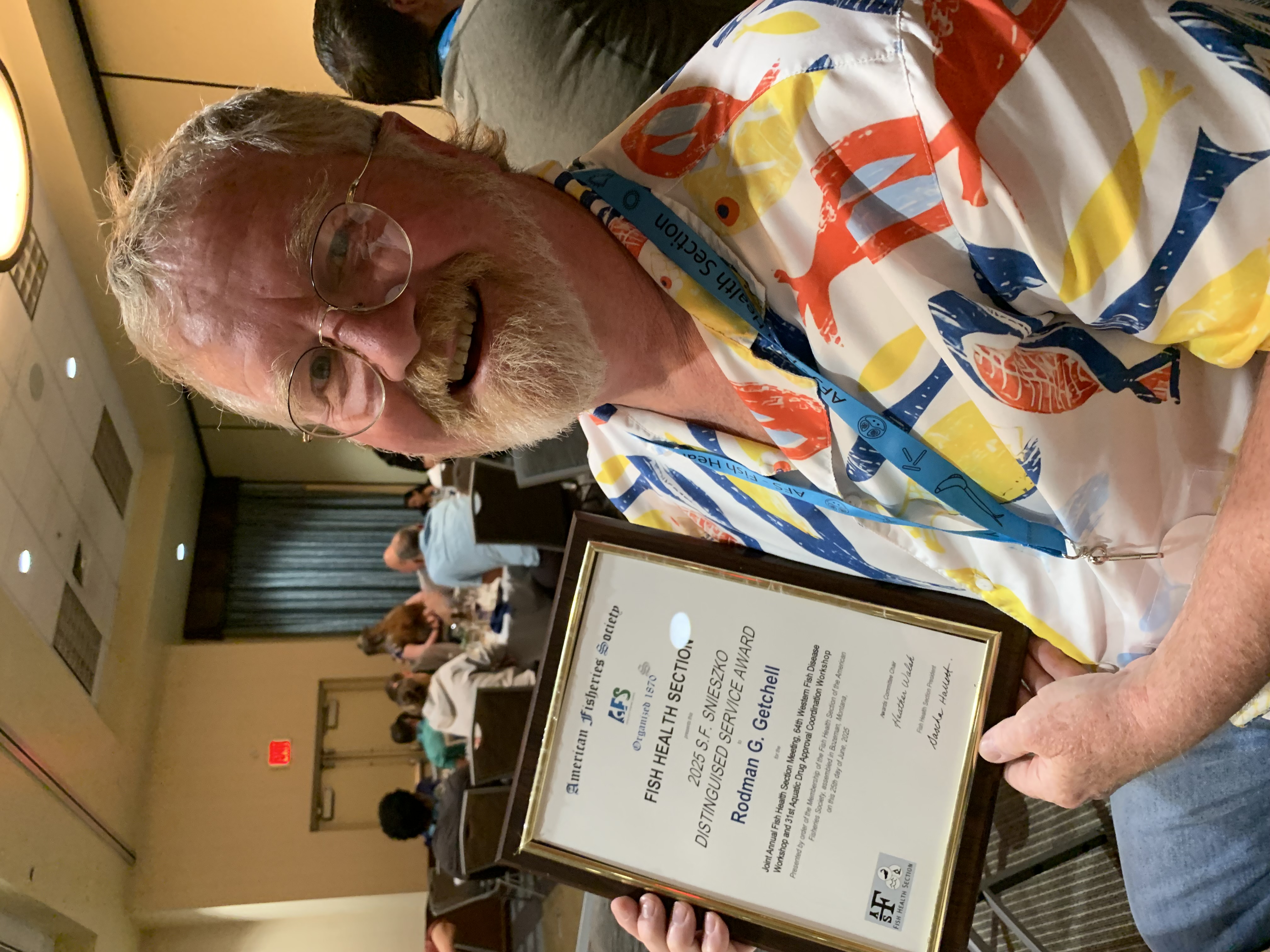
Working with researchers in the United States and Canada, Getchell helped diagnose the outbreak and trace the spread of the virus. The research challenged existing assumptions about the disease’s source, pointing to an unexpected reservoir: the invasive round goby, a small bottom-dwelling fish native to the Black Sea and the Caspian Sea.
“We think the round goby arrived through the ballast water of cargo ships,” Getchell said. “It came with the invasive zebra mussels, a food source. Since then, the round goby has been one of the major fish species transmitting VHSV throughout the Great Lakes.”
During this time, Getchell began to recognize that lab science alone wasn’t enough to understand disease outbreaks. Researchers also had to break down barriers and work across disciplines that had traditionally operated on their own.
“When I first got into this field, there was a conflict between fisheries scientists and those who had veterinary degrees,” Getchell said. “There was always this friction between them, but that has slowly gone away.”
Over time, fisheries scientists, microbiologists, and veterinarians began attending the same conferences, publishing together, and responding jointly to disease outbreaks. Getchell helped drive that cultural shift, serving as the only non-veterinarian member of the American Veterinary Medical Association's Aquatic Veterinary Medicine Committee for six years.
Getchell points to education playing a critical role in breaking down disciplinary barriers. Since 1977, Cornell and the University of Pennsylvania have jointly offered AQUAVET®, a summer program that prepares veterinary students for careers in aquatic animal medicine, conservation, and aquaculture.
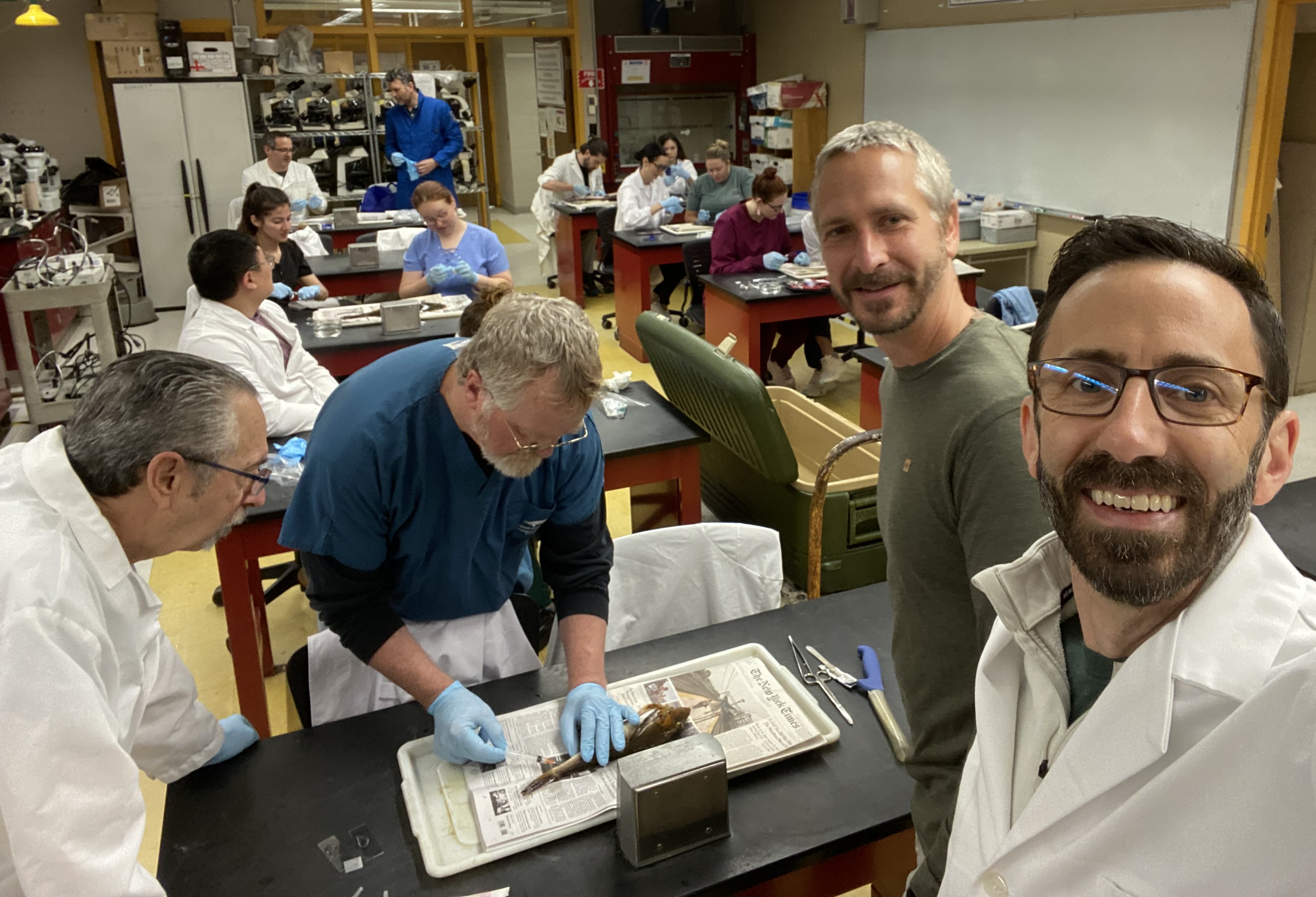
“Historically, there was limited support for veterinary students interested in the medicine of invertebrates and fish,” Getchell said. “AQUAVET helps prepare vet students for careers in all areas of aquatic medicine. The curriculum combines classroom instruction, field experiences, and mentorship from experts.”
Throughout his career, Getchell's work reflected the One Health approach—the understanding that human, animal, and environmental health are inseparable. As director of Cornell’s Fish Pathology Laboratory, he provided diagnostic support for New York's aquaculture industry as well as hobbyists. He also assisted the New York State Department of Environmental Conservation during fish die-offs, helping resource managers respond quickly to emerging threats. For more than 30 years, he also wrote a bimonthly fish health column in Fish Farming News, translating scientific discoveries into practical guidance for the aquaculture community.
More recently, as part of the CVM’s Department of Public & Ecosystem Health, Getchell partnered with Dr. Katie Fiorella and their PhD student, Dr. Eric Teplitz, to investigate disease and antimicrobial resistance in Nile tilapia aquaculture in Kenya's portion of Lake Victoria. Their research on biosecurity and fish health management, as well as collaborations with local communities, has helped support the aquaculture industry and fisheries in the region.
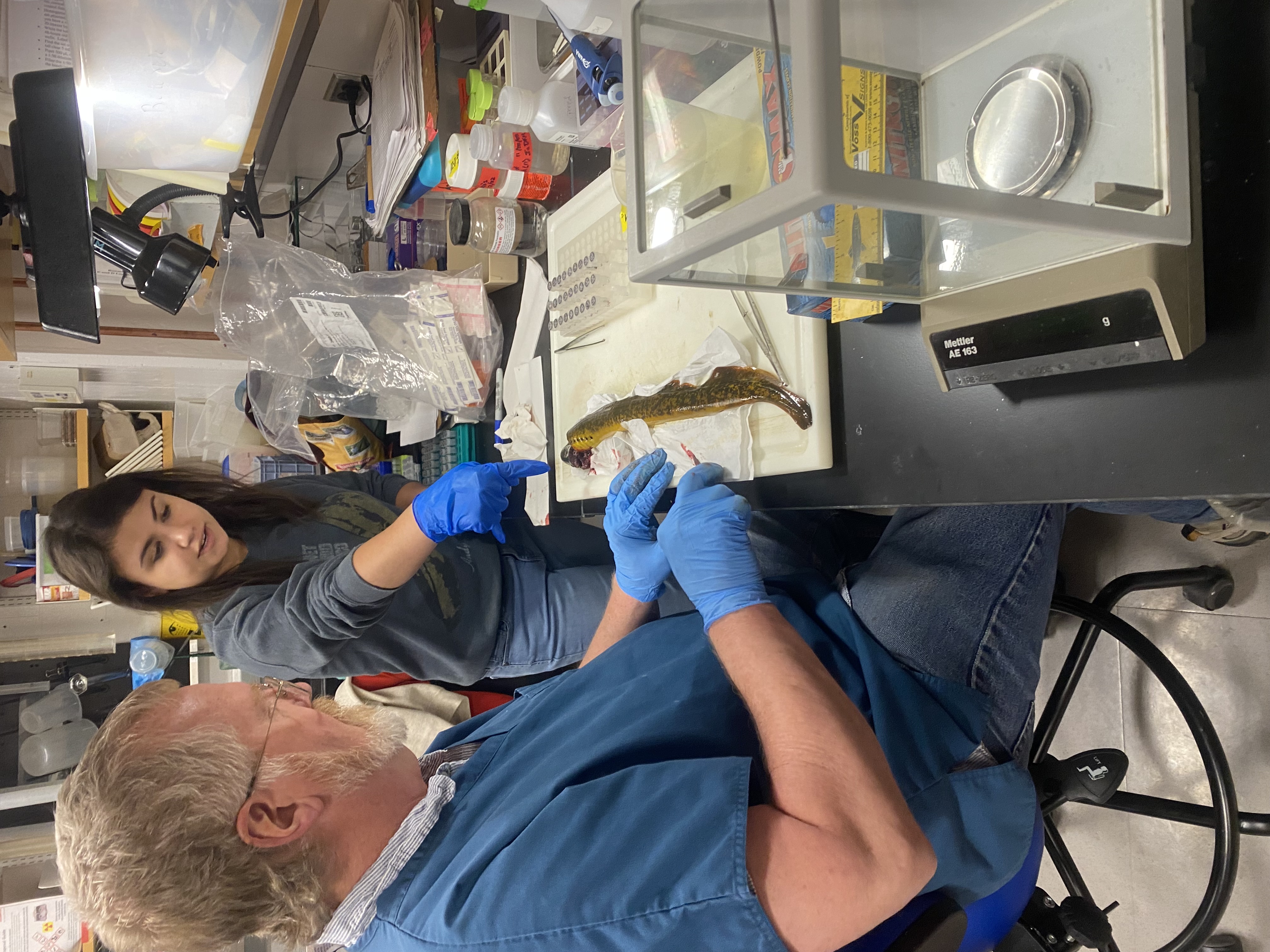
Today, in retirement, Getchell spends more time sailing and hiking around Ithaca. But those 60 fish samples in the freezer have now been necropsied, the tissues homogenized, RNA extracted, and molecular assays completed. His ongoing study will test round gobies collected from New York's Hudson River drainage for VHSV as the invasive fish continues to spread beyond the Great Lakes. The work will also help researchers understand whether changing salinity and seasonal temperatures influence where the fish survive and whether they continue to carry the virus.
“Now, the round goby is spreading through the Erie Canal into the Hudson River estuary and continuing toward Lake Champlain and New York City,” Getchell said. Collected through a collaborative monitoring effort along the Champlain Canal and upper Hudson River, the specimens will help resource managers better understand and prepare for the next stage of the goby's expansion across North American waterways.
“The last 15 or 16 years, I got to be a mentor, and that's a part that I really enjoyed.”
As significant as the research findings have been, Getchell says his time mentoring students has been equally as fulfilling. “The last 15 or 16 years, I got to be a mentor, and that's a part that I really enjoyed,” he said. “I became good at doing the research, and that's fun; you write papers, you get grants, and you work with students. But being able to teach and mentor people became a bigger part of my career.”
As one of the longtime associate directors of AQUAVET, Getchell has mentored hundreds of veterinary students, encouraging them to build careers that reflect their interests rather than follow a prescribed path. “I like to tell students that they can make up their own minds,” Getchell said. “Helping influence the next generation has become one of the most rewarding parts of my career. My role has been to help them explore their interests, share what I've learned, and help them get the training to become great veterinarians,” Getchell said. “When I look back, the coolest part of my career is the people: the students, colleagues, and friends I've made along the way.”
Written by Caroline Stamm ‘24