
SCoPE Event Ignites New Collaborations Among Wildlife Pathologists and Conservationists in South and Southeast Asia
South and Southeast Asia are rich in biodiversity and natural resources. Unique threatened wildlife species, including rhinos, dholes, and tigers, have made this part of the world a critical focal point of Dr. Carmen Smith’s fellowship in free-ranging wildlife pathology at the Cornell K. Lisa Yang Center for Wildlife Health. With these species and emerging disease threats (and their reservoirs) spanning international borders, a strong international network of pathologists, biologists, and wildlife veterinarians across institutions is needed to ensure that wildlife and people benefit from new discoveries and to coordinate responses to disease outbreaks. “Existing expertise is fragmented across institutions,” Smith explained. “This limits the region’s conservationists when addressing broader, transboundary wildlife health challenges.”
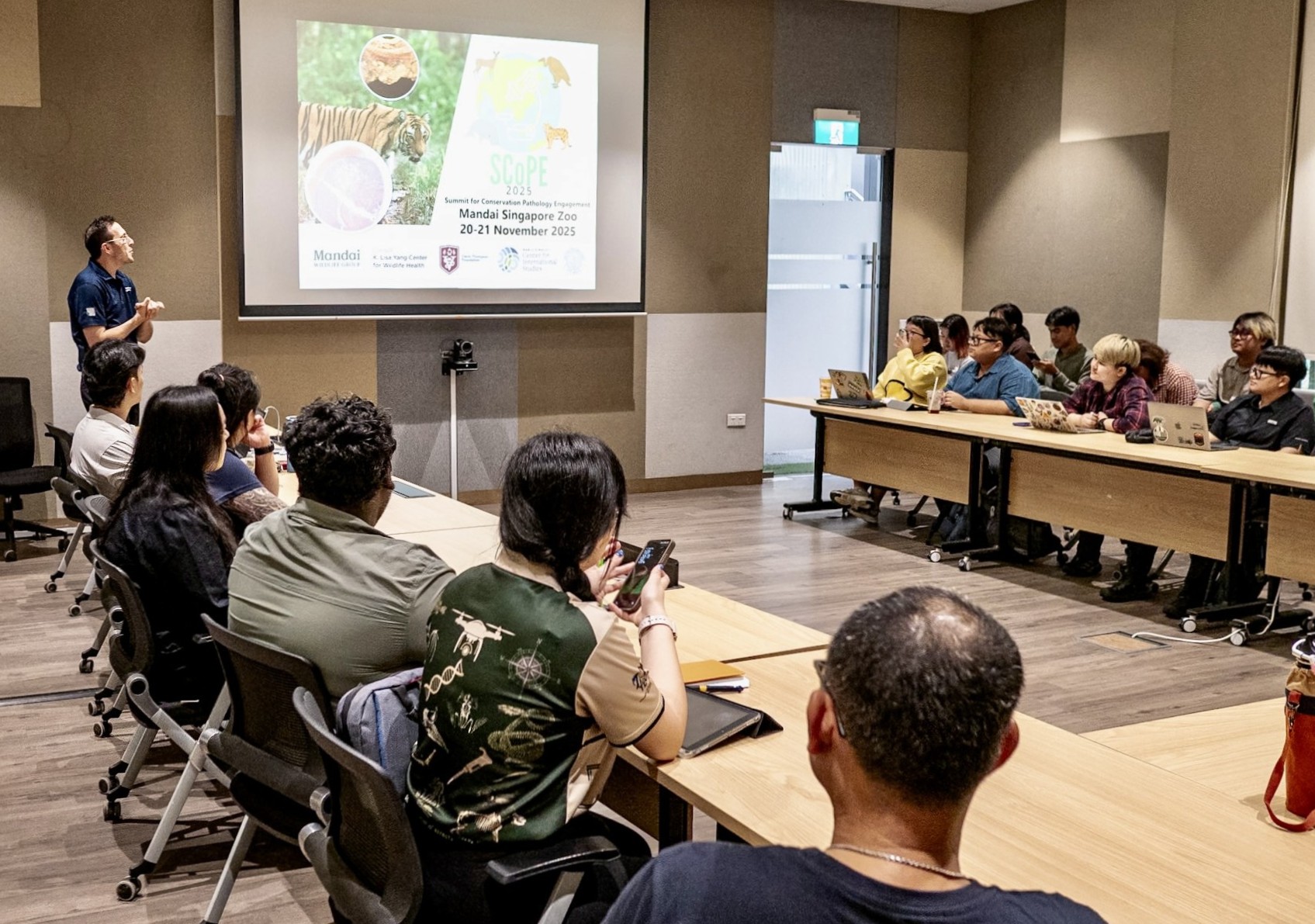
The need for regional collaboration in wildlife pathology and disease surveillance led Smith to co-organize the Summit for Conservation Pathology Engagement (SCoPE), held at the Mandai Wildlife Reserve in Singapore from November 20-21, 2025. This two-day event, with funding support from Cornell University’s Mario Einaudi Center for International Studies and the Davis-Thompson Foundation, engaged 49 participants from more than ten countries, including veterinary pathologists, pathology residents, veterinary and graduate students, veterinarians, and zoologists. By bringing together professionals from a range of organizations and countries across Asia, Smith and his co-organizers began the critical work of building a transregional network of wildlife pathology experts and partners.
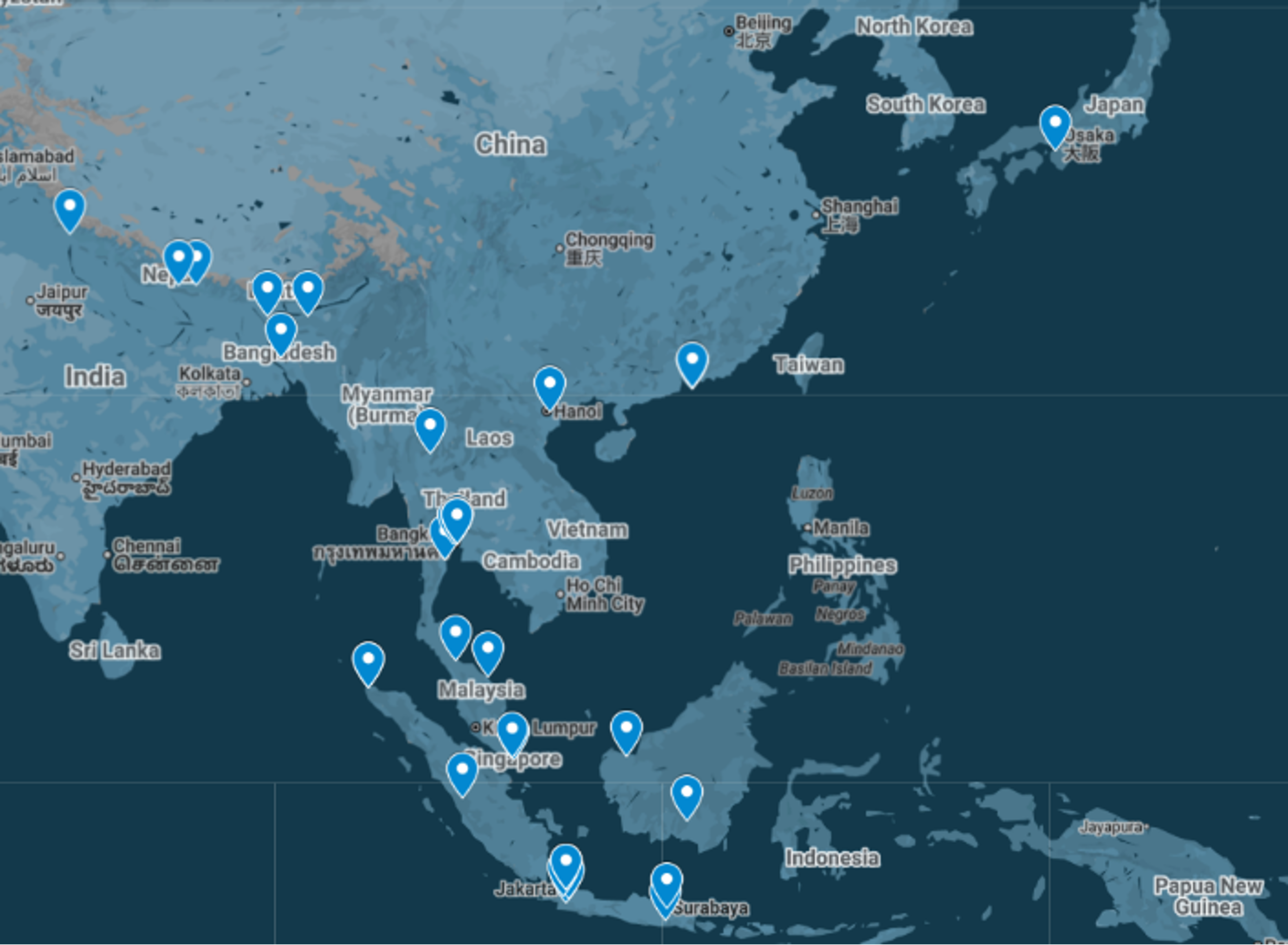
“By leveraging existing institutional connections, we aimed to strengthen collaboration and foster a robust, interconnected community of researchers across South Asia and Southeast Asia,” Smith explained. “Importantly, we engaged and integrated early-career local professionals into the network, which also enhances prospects for long-term sustainability.”
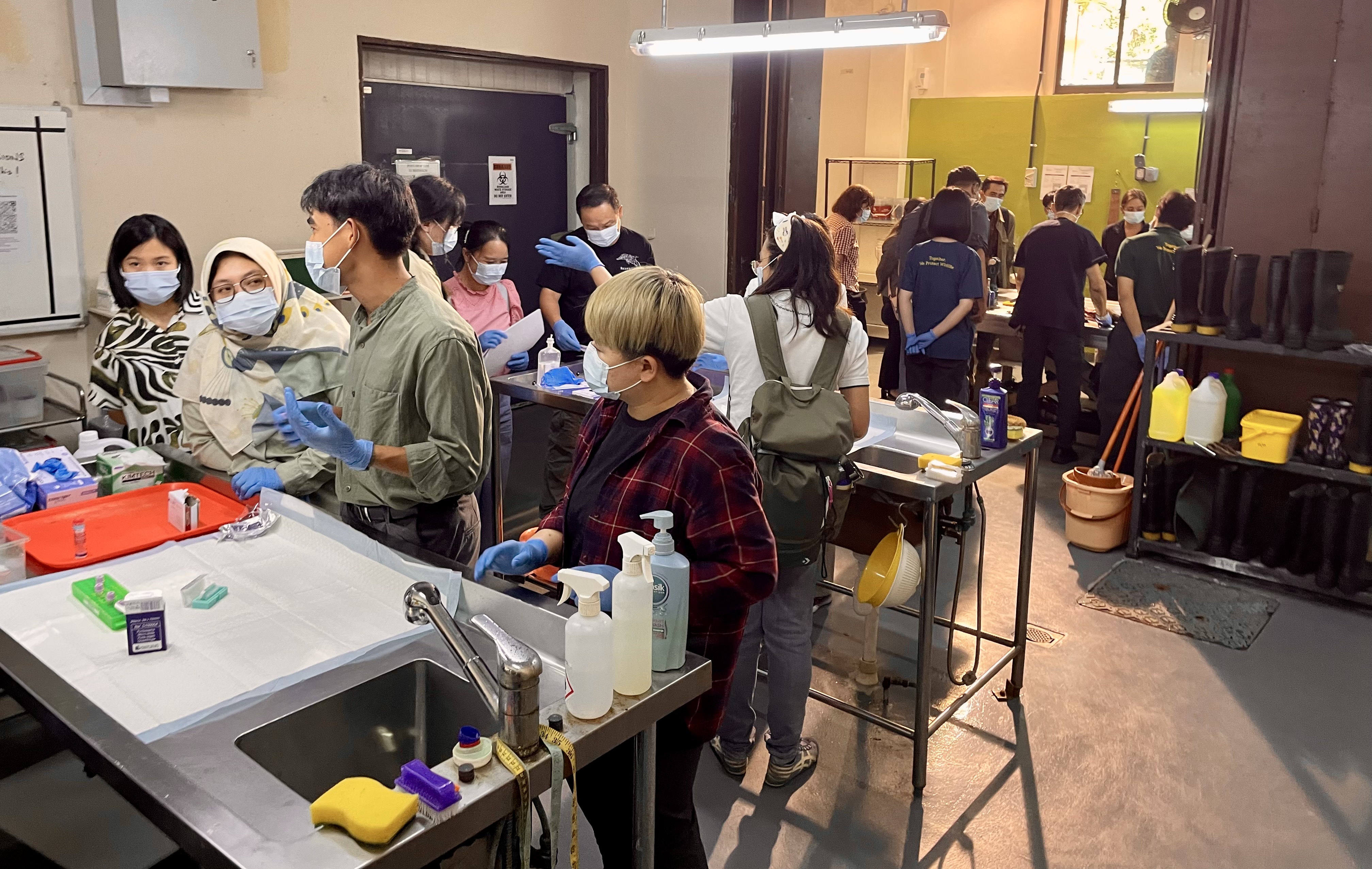
The first day of the SCoPE meeting included lectures, case presentations from attendees, and hands-on training sessions on pathology techniques. These interactive training exercises focused on the skills pathologists need related to disease surveillance and outbreak investigation, including gross necropsy and sample collection, biosecurity and preparedness for highly pathogenic avian influenza, and cytology.
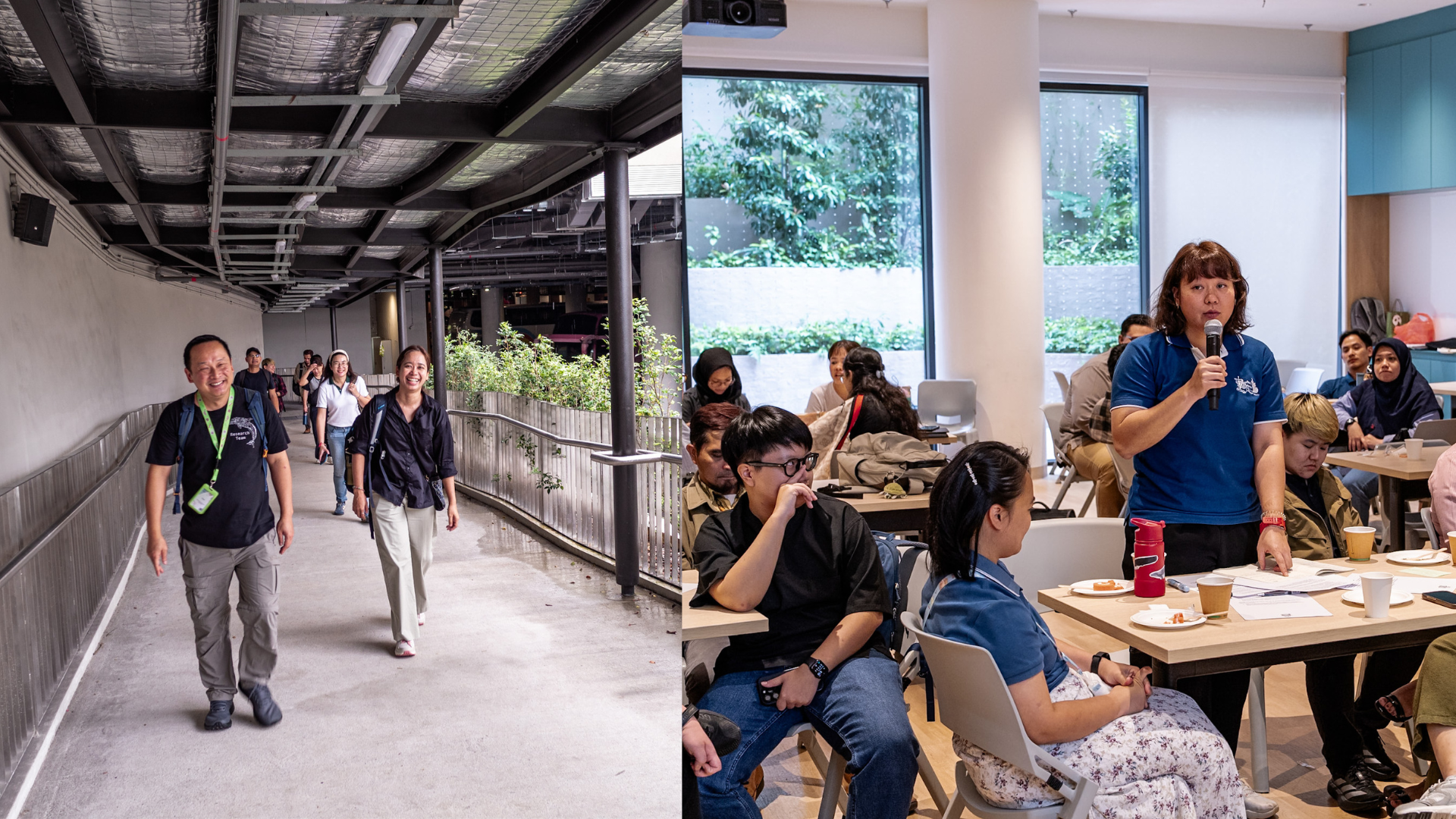
SCoPE’s second day was filled with Davis-Thompson Foundation-sponsored lectures focused on histopathology and the pathology of different taxa, including birds, marine mammals, and felids. Participants also attended a panel discussion on the limitations and challenges of wildlife mortality investigations and the barriers to wildlife pathology across Asia. Following the group panel, participants had roundtable discussions to reflect upon challenges in their conservation work and propose potential solutions.
“SCoPE helped me realize what impactful and amazing work is currently being done in Asia…with the growth of this network, I am encouraged that we can make a real impact in supporting ongoing conservation work in Asia,” said organizer and speaker Elliott Chiu, a pathologist from City University of Hong Kong.
While this was a groundbreaking meeting, the work to develop collaborative efforts across the region has only just begun. “This group will continue to engage as a network dedicated to addressing some of the barriers identified during this meeting, including the need for additional training sessions and workshops dedicated to mortality investigations in free-ranging wildlife, such as marine mammals (including Thailand's dugong), and migratory birds,” Smith reflected. The transboundary nature of these animals’ lives highlights the need for coordinated, international collaborations.
In addition to providing practical knowledge, this meeting demonstrated that when professionals across organizations come together, there is potential for genuine progress.
“I am so grateful for the opportunity to be involved in this event and look forward to future collaborations,” said presenter and pathologist Dr. Heather Fenton of the Wildlife Disease Association. “My co-presenters are brilliant, motivated early-career professionals who are definitely worth watching and following.”
As the wildlife pathology network across South and Southeast Asia continues to grow, organizers hope the projects and solutions discussed at SCoPE will lead to positive, measurable outcomes for conservation and One Health in the years to come.
Funding support for SCoPE was provided by the Mario Einaudi Center for International Studies Faculty Seed Grant and the Davis-Thompson Foundation. Partner organizations for this event included the Cornell K. Lisa Yang Center for Wildlife Health, Mandai Wildlife Group, Kasetsart University of Thailand, City University of Hong Kong, and the Wildlife Disease Association.
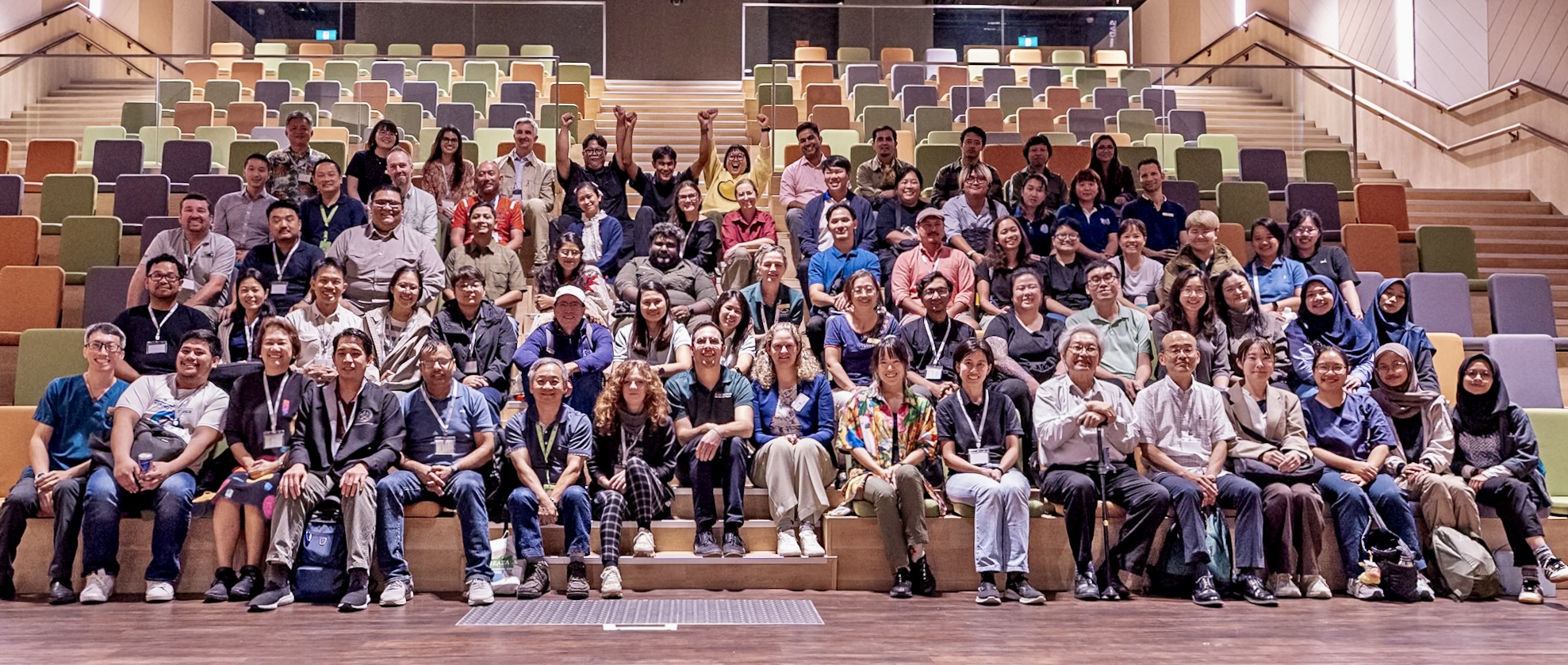
SCoPE 2025 organizers and presenters:
- Carmen Smith, Pathologist, Cornell K. Lisa Yang Center for Wildlife Health, USA
- Chia-Da Hsu, Pathologist, Mandai Wildlife Group, Singapore
- Piyaporn Eiamcharoen, Pathologist, Kasetsart University, Thailand
- Heather Fenton, Pathologist, Wildlife Disease Association, Australia
- Elliott Chiu, Pathologist, City University of Hong Kong, Hong Kong
Written by Victoria Priester, DVM ‘26