
In the News
September 23, 2025
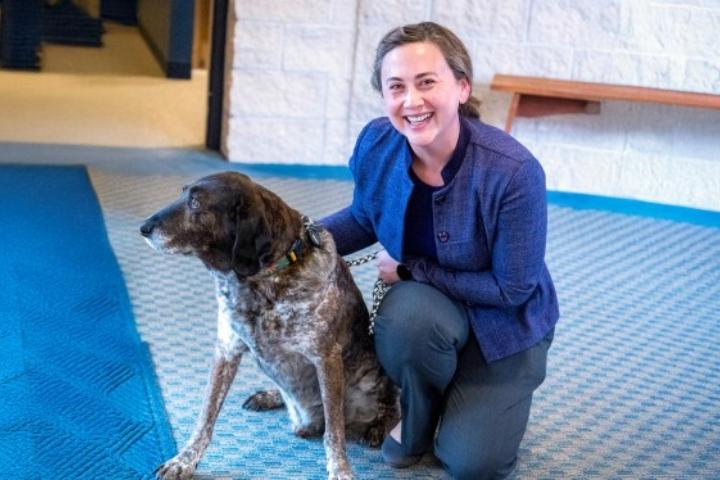
Jennifer Nagashima ’09, PhD ’15, currently leads efforts that merge reproductive biology and biotechnology to protect genetic diversity and boost fertility in endangered species....
April 09, 2025
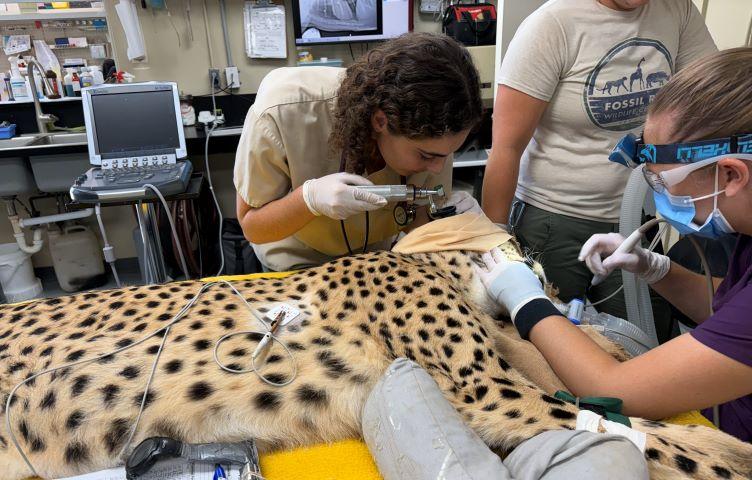
The Fossil Rim Wildlife Center plays an important role in efforts to save wildlife species from extinction. I was fortunate enough to travel to Glen Rose, Texas for a preceptorship to experience these conservation efforts firsthand....
Blog
July 19, 2024
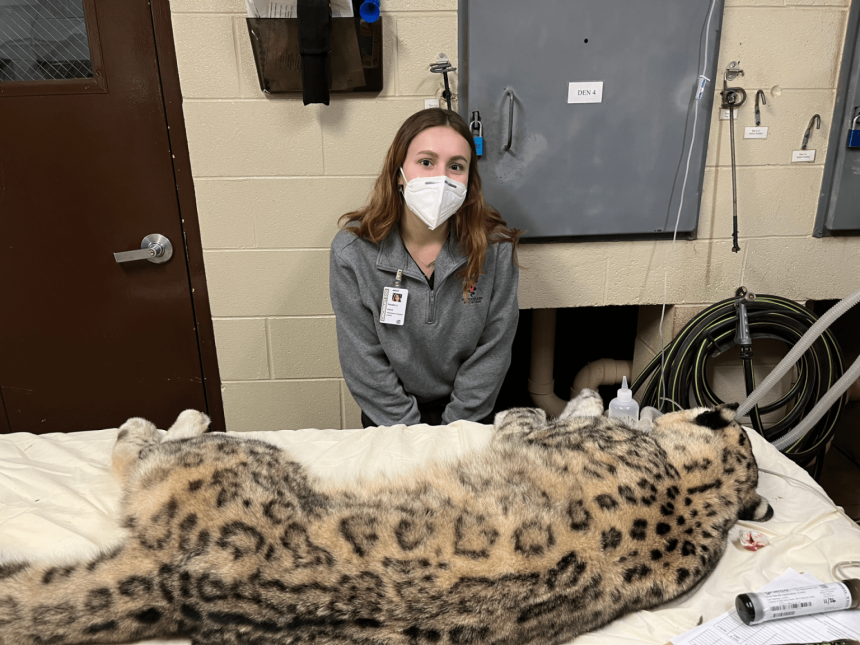
As an extern at the Cincinnati Zoo and Botanical Garden’s Center for Conservation and Research of Endangered Wildlife, Cornell DVM student Natalie Smith learned how reproductive medicine can help conservation efforts for big cats.
February 02, 2024
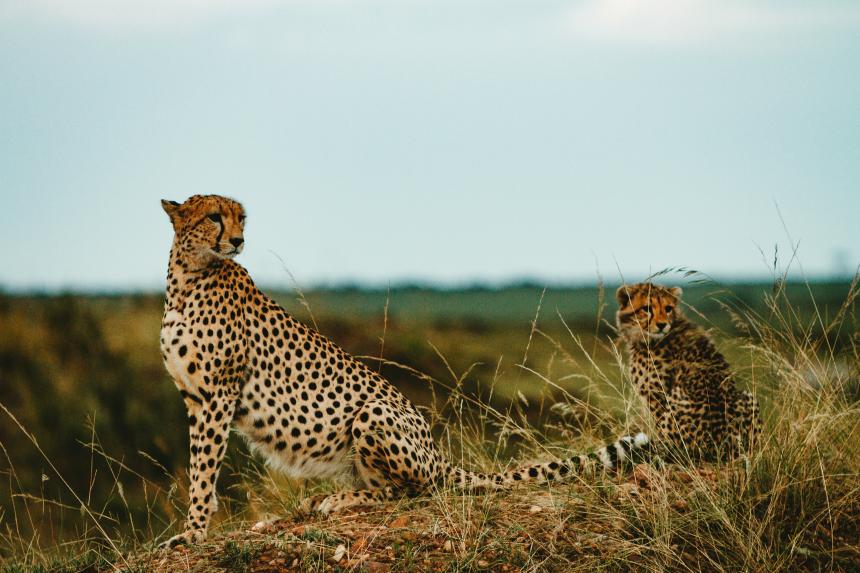
Carolina Baquerizo, a fourth-year veterinary student at the Cornell University College of Veterinary Medicine, was lead author on a Frontiers in Conservation Science paper on the effects of various anesthetic drugs on cheetah sperm quality.
January 30, 2024
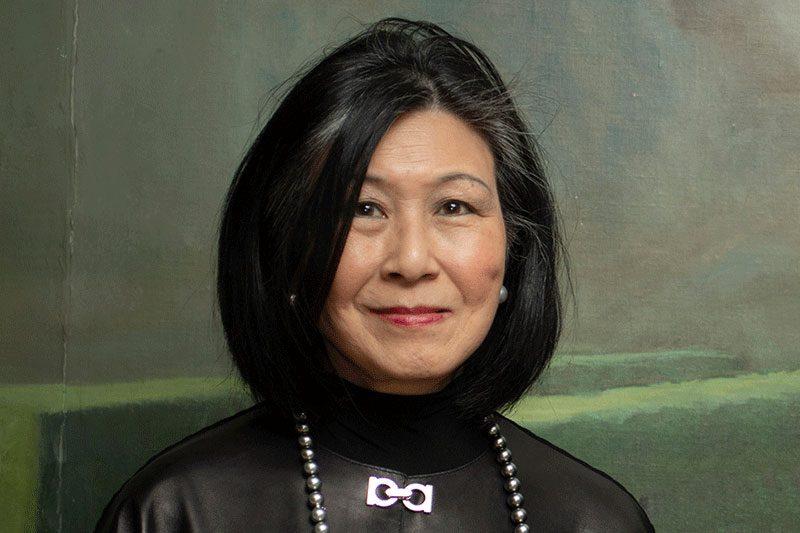
A transformational gift from philanthropist and Cornell alumna K. Lisa Yang ’74 will endow and rename the Cornell Wildlife Health Center as the Cornell K. Lisa Yang Center for Wildlife Health at the College of Veterinary Medicine.
News
March 20, 2023
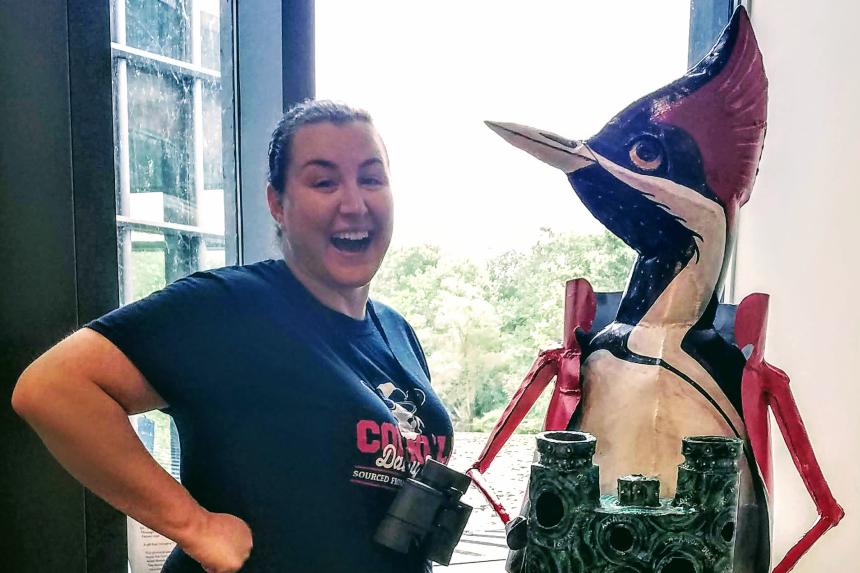
Danielle Sosnicki is a Biomedical & Biological Sciences PhD Candidate in the Travis Lab at the Cornell University College of Veterinary Medicine. She is studying mechanisms that are involved in the maturation and function of sperm, with a concentration in Zoology and Wildlife Conservation.
News
February 15, 2023
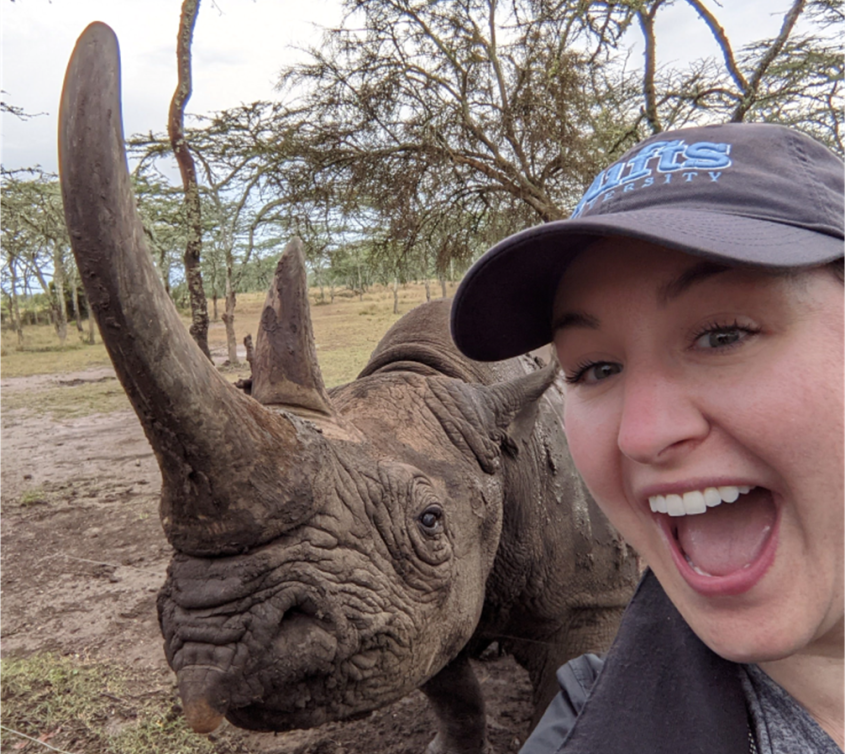
Danielle Sosnicki was first inspired to pursue graduate training in reproductive physiology after reading about the northern white rhinoceros, a functionally extinct subspecies of the white rhinoceros. “Their story is what got me interested in trying to help critically endangered species. That’s my goal,” she says....
March 21, 2022
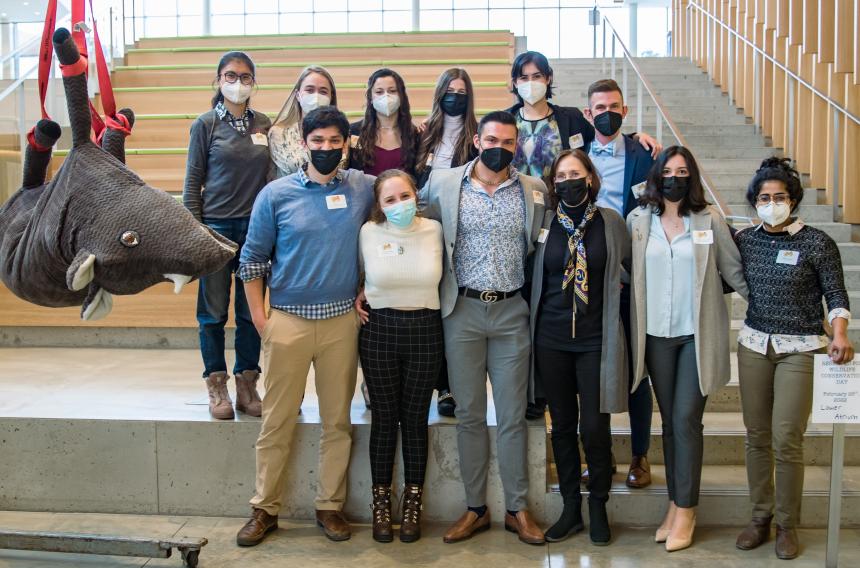
Cornell’s Zoo and Wildlife Society hosted its first Wildlife Conservation Day Feb. 26, a one-day symposium devoted to education and training for students with an interest in non-domestic species.
September 03, 2021
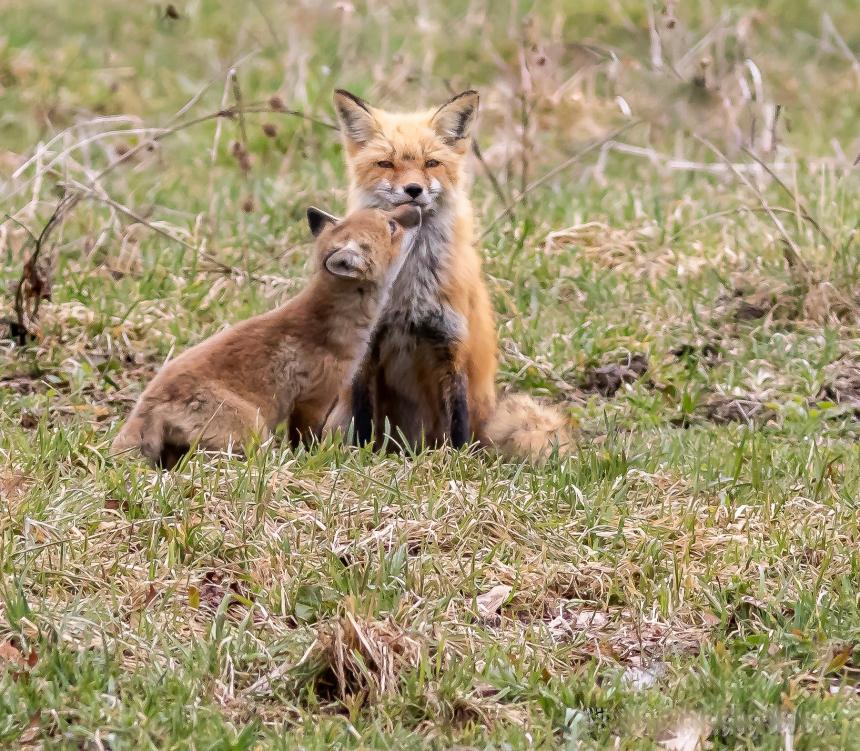
There is astonishing diversity in how mammal mothers undergo pregnancy and birth. Dr. Alexander Travis, a Cornell reproductive biologist, describes how 'the birds and the bees' work for these unique animals.
March 01, 2021
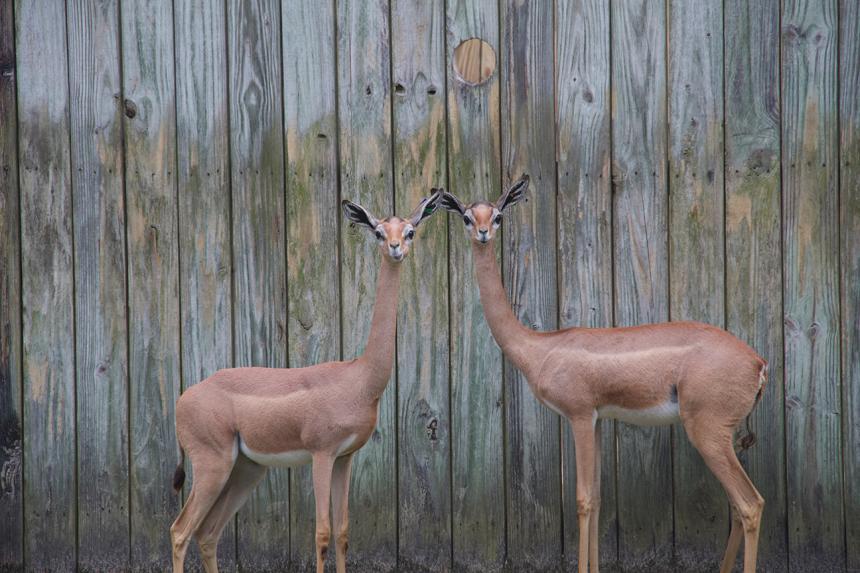
Cornell University College of Veterinary Medicine alumnus, Zachary Dvornicky-Raymond ’15, DVM ’19, recently published a study in the Journal of Zoo and Wildlife Medicine regarding validation of a portable, point-of-care test for pregnancy diagnosis in wild ungulates (hoofed mammals).