
In the News

March 11, 2026
On Feb. 25, the Animal Health Diagnostic Center hosted a chronic wasting disease lecture and wet lab for the College of Veterinary Medicine community, in collaboration with the New York State Department of Agriculture and Markets....
Video
February 17, 2026
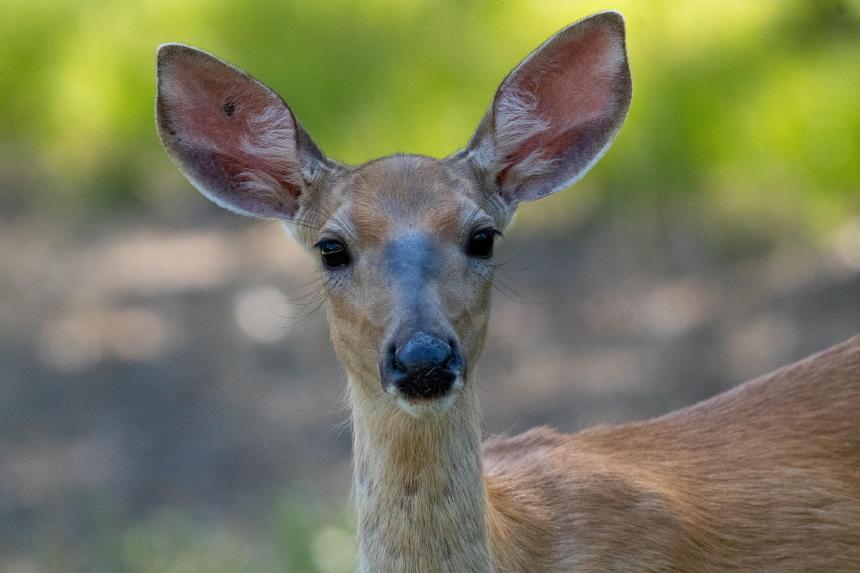
Dr. Krysten Schuler, wildlife disease ecologist and director of the Cornell Wildlife Health Lab, dives into the biological, social, and political facets of chronic wasting disease, exploring areas where progress can be made if we are willing to forge into new territory.
November 04, 2025
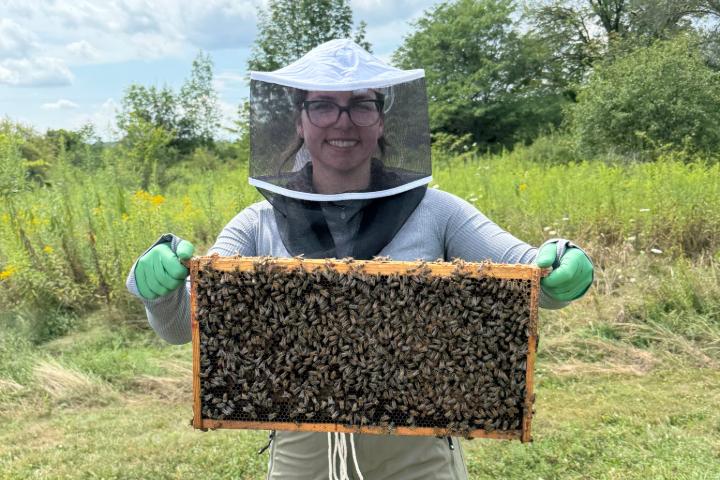
The Cornell K. Lisa Yang Center for Wildlife Health has launched a new residency in wildlife population health, building on the Cornell University College of Veterinary Medicine's leadership in preparing veterinarians to meet the urgent and evolving challenges facing our planet’s wild species.
September 19, 2025
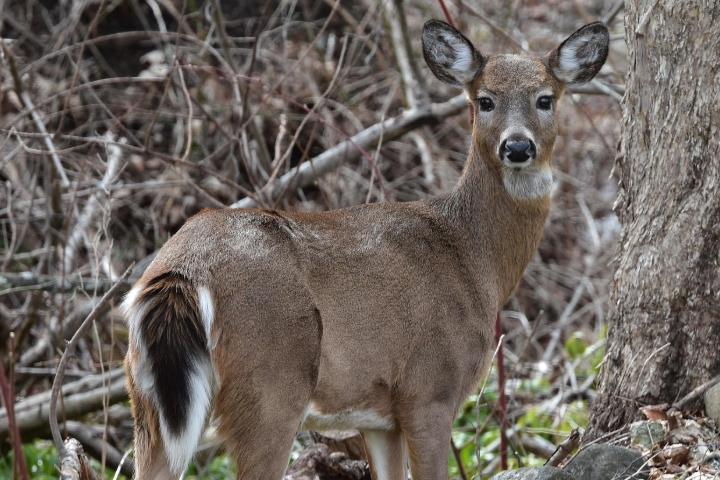
Cornell's Krysten Schuler co-authored a study that developed an artificial intelligence–driven model designed to enhance the early detection of wildlife diseases, such as chronic wasting disease, while reducing the costs associated with traditional models.
September 03, 2025
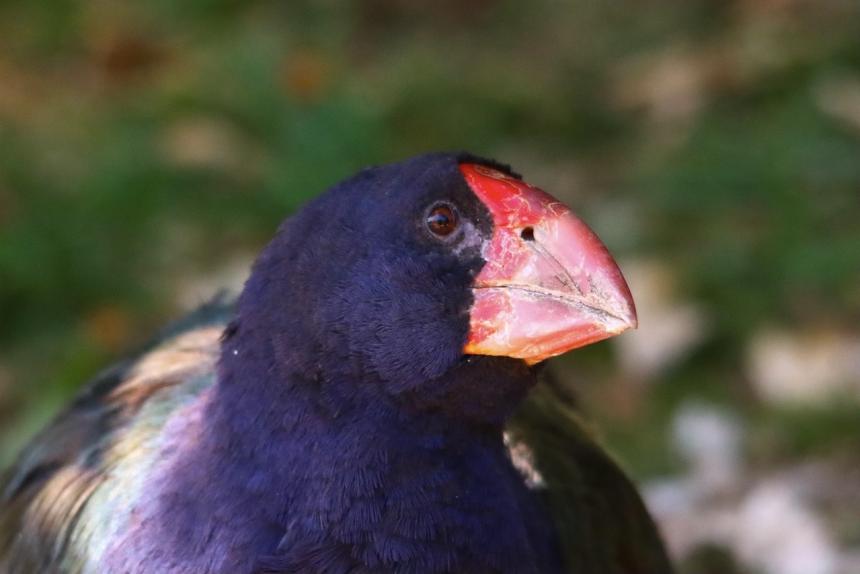
New Zealand is racing to protect the imperiled kākāpō parrot species from the global spread of avian influenza through proactive measures, including the vaccination of captive breeding populations ahead of migratory bird arrivals.
August 08, 2025
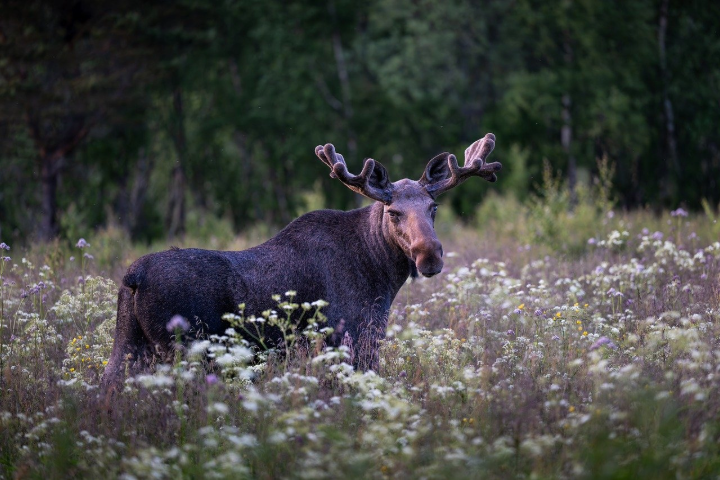
Wildlife researchers have found that the transmission of deer parasites is hindering the growth of New York's moose population.
May 20, 2025
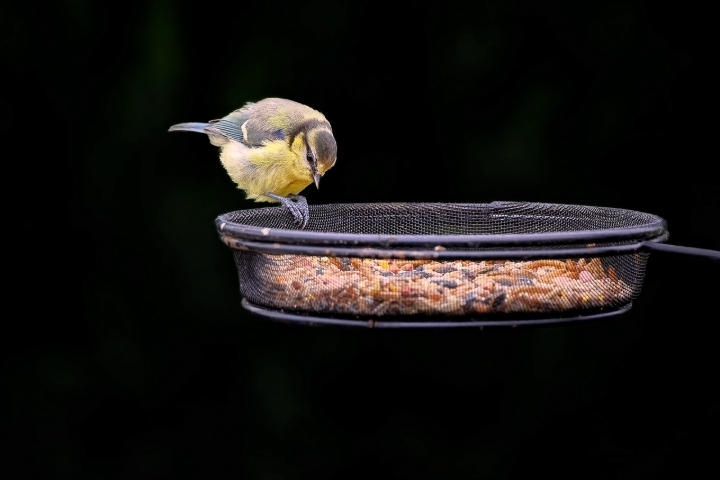
As bird flu continues to spread, Dr. Krysten Schuler of the Cornell Wildlife Health Lab offers expert advice on best practices for bird enthusiasts to maintain a safe, healthy feeder this spring.
For Your Information
April 22, 2025
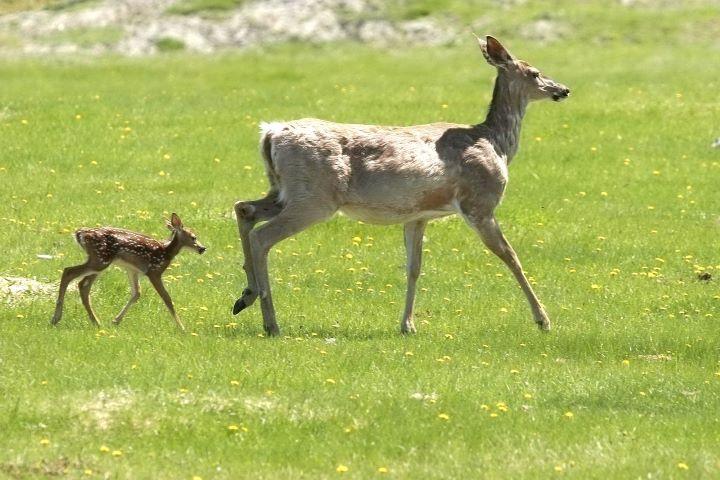
A recent study examines the challenge of determining the sample size needed to confidently declare a local wildlife population disease-free—an essential factor in effective disease surveillance and wildlife health management.
April 17, 2025
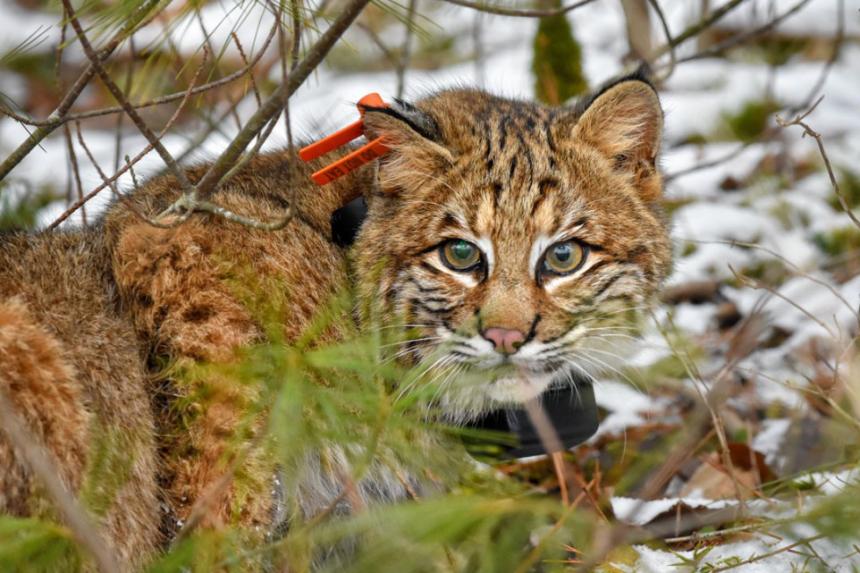
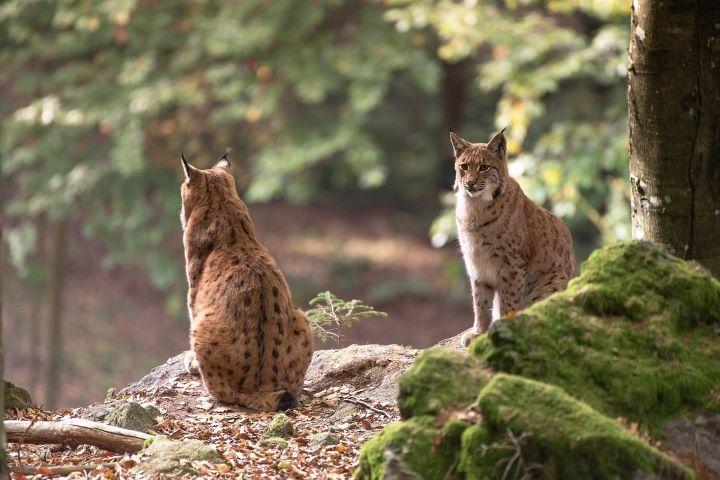
Avian influenza – which has devastated poultry flocks, wildlife populations and increasingly poses a public health risk – has now been confirmed in wild bobcats in New York state, according to a new study by Cornell scientists.
For Your Information
March 26, 2025
A recent study by Cornell researchers assessed the presence of antibodies for highly pathogenic H5N1 influenza A in live-captured bobcats in New York.