
Alumni Spotlight: Ellen Haynes '09, DVM '13, PhD, Southeastern Association of Fish and Wildlife Agencies
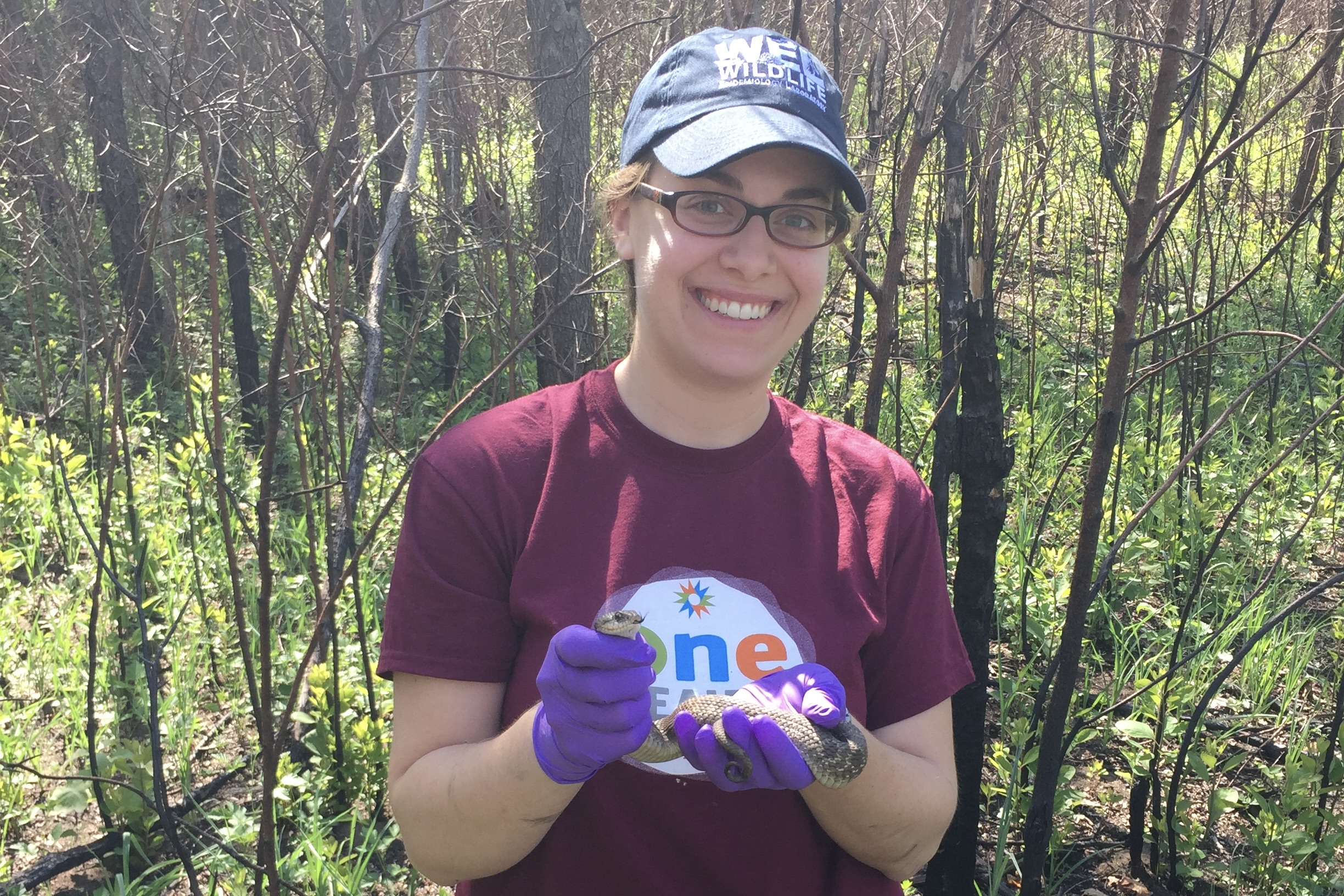
Early in her career, Ellen Haynes '09, DVM '13, PhD, was fueled by a desire to help wildlife that had been negatively impacted by human activity. As a veterinary student at Cornell University College of Veterinary Medicine, she joined clubs and extracurricular activities to learn more about the field of wildlife health. Haynes served on the board of Cornell’s Zoo and Wildlife Society (ZAWS), co-organizing the biannual Special Species Symposium, a two-day weekend event for veterinary students to learn about zoo and wildlife medicine from veterinarians in the field. She also spent two summers working at Willowbrook Wildlife Center in Illinois.
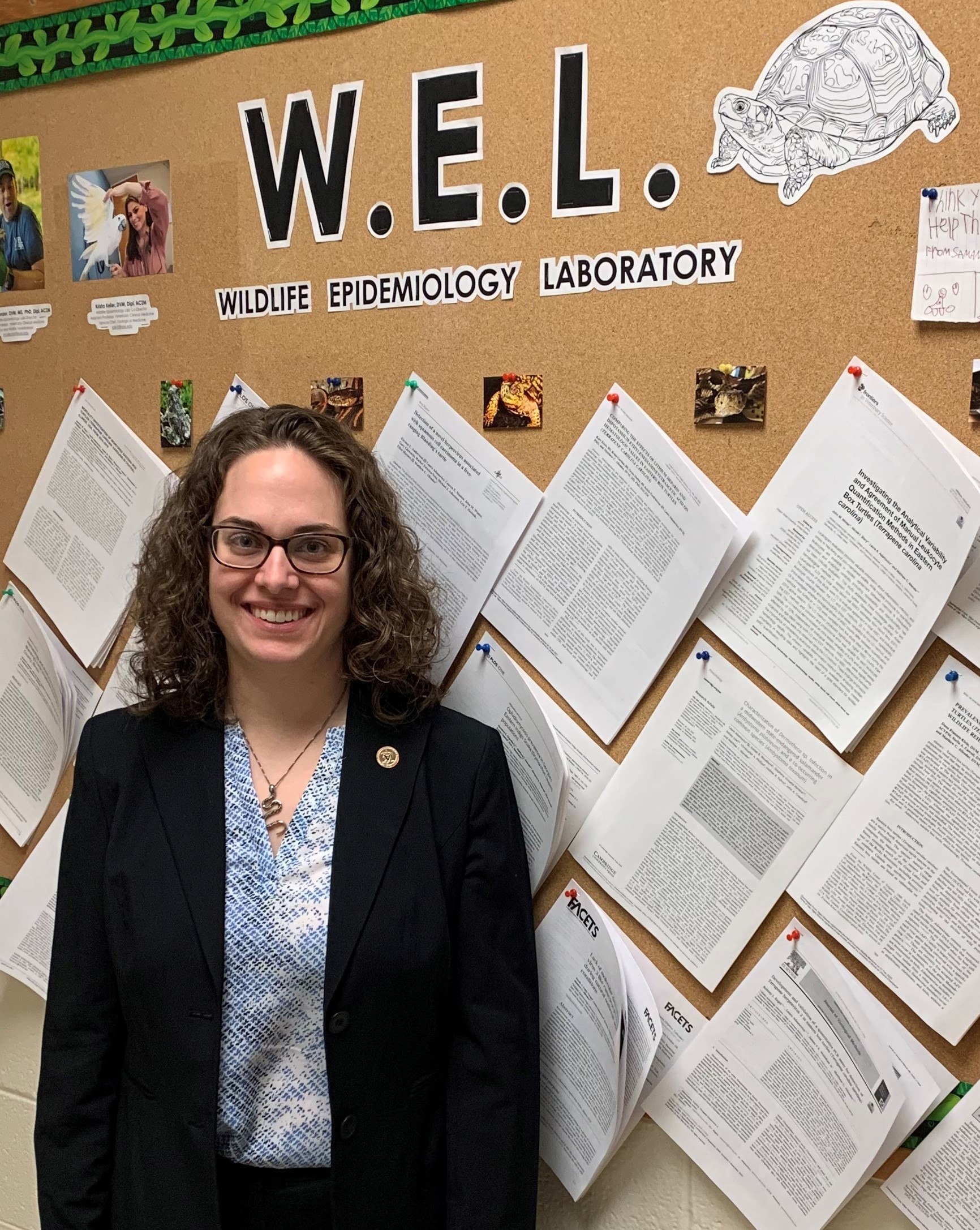
After earning her DVM from Cornell, Haynes completed a small animal rotating internship, followed by a wildlife medicine internship at Tufts University. She then stepped into a leadership role at Wildlife Rescue & Rehabilitation in Texas, serving as the director of animal care and staff veterinarian, where she oversaw the health and well-being of a variety of species.
“Don't be afraid to pivot and find your own path!”
Driven by a passion to learn more about wildlife disease, Haynes moved north to begin a PhD in wildlife epidemiology at the University of Illinois Urbana-Champaign. “I decided to pursue a PhD so that I could find a position in academia that would allow me to do research on wildlife diseases and work with students interested in that field,” Haynes explained.
Her PhD focused on ophidiomycosis, or snake fungal disease, including a clinical trial that used nebulized terbinafine, an antifungal medication, to treat naturally infected snakes. She then became a postdoctoral researcher at the Southeastern Cooperative Wildlife Disease Study at the University of Georgia.
Today, Haynes is the regional wildlife health coordinator for the Southeastern Association of Fish and Wildlife Agencies. In this role, she works with state wildlife agencies to tackle wildlife health challenges and strengthen conservation capacity across the southeastern United States.
“My favorite part of my current job is that I help the state and federal agencies that work to protect wildlife and human health every day,” she said. “I also enjoy the challenge of being the first regional wildlife health coordinator in the southeast and working with the other regional coordinators to tackle big issues in wildlife health.”
When asked for advice for those seeking a career in wildlife health, Haynes recommended that veterinary students interact with individuals currently working in the field to learn about their backgrounds and roles. “Get as much real-world experience as you can through shadowing and working to find out what you like and don't like,” she advised. “Don't be afraid to pivot and find your own path!”
Written by Victoria Priester, DVM ‘26