
Cornell K. Lisa Yang Postdoctoral Fellow in Wildlife Health to Map the Genomic Resilience of Galápagos Mangroves
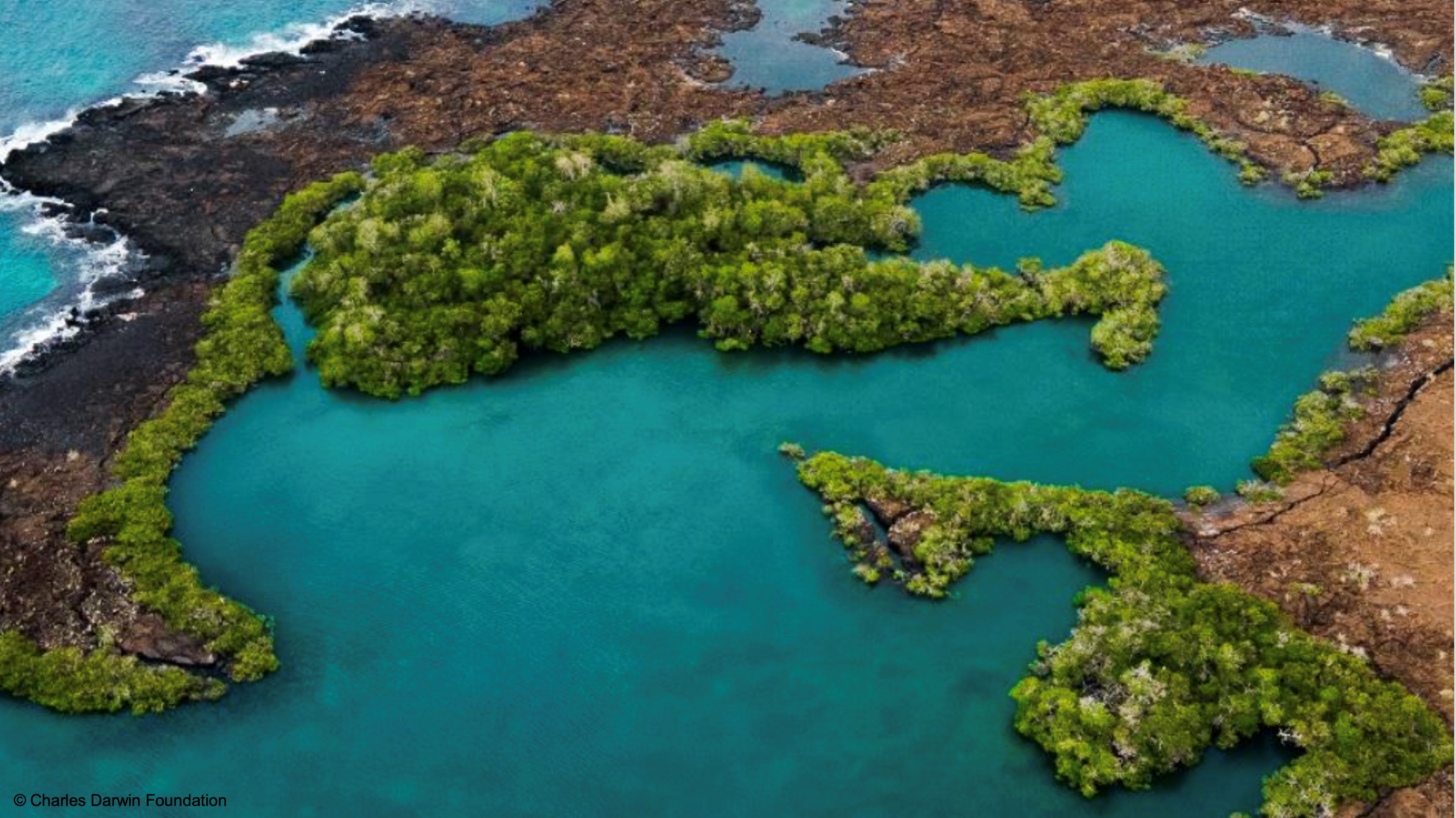
For Jaime Ortiz Pachar, PhD ‘26, the coastal mangrove forests of the Galápagos Islands are a familiar landscape. Growing up in the archipelago, he saw firsthand how these specialized ecosystems play essential roles in climate resilience, biodiversity maintenance, and the underpinning of human well-being. Mangroves capture and store “blue carbon” by absorbing carbon dioxide from the atmosphere and locking it deep in their oxygen-poor soils to naturally reduce the impact of greenhouse gases. They also support marine and terrestrial wildlife, including crucial species like sea cucumbers and a variety of coastal fish important to fisheries that drive local economies.
Yet these habitats face severe pressures. Over the past 50 years, an estimated one-quarter to one-third of global mangrove cover has been lost, and in 2024 the Galápagos mangrove ecosystem was assessed as Vulnerable under the IUCN Red List of Ecosystems—an assessment led by the Charles Darwin Foundation. Despite these growing threats, conservationists lack the precise data needed to prioritize protection efforts.
As a recent recipient of a Cornell K. Lisa Yang Postdoctoral Fellowship in Wildlife Health, Dr. Jaime Ortiz Pachar aims to address this gap through his project, “Safeguarding the One Health Value of Galápagos Mangroves,” which seeks to create a genomic basis for sustainable ecosystem management. The work builds on the Charles Darwin Foundation's long-term mangrove research program and is being carried out in collaboration with the Galápagos National Park Directorate, grounding its genomic questions in the ecology of the archipelago's mangroves.
"Protecting these ecosystems means protecting the millions of livelihoods that depend on them."
The first phase of the project will generate reference genomes, or genetic “blueprints,” for four key mangrove species. Because these species are found globally, the conservation impact will extend beyond the Galápagos. "This will be a model for mangrove management worldwide," Ortiz Pachar said. "Mangroves underpin food security for coastal communities worldwide, sustaining an estimated 4.1 million small-scale fishers. Protecting these ecosystems means protecting the millions of livelihoods that depend on them."
A second phase will map gene flow and environmental adaptation across the Galápagos archipelago. Sequencing 150 to 200 individual trees, Ortiz Pachar will track how genetic variants respond to environmental factors, including ocean currents and fluctuating water temperatures. By identifying climate-resilient genotypes, the project will help predict how these trees would likely respond to future environmental conditions, which will help to produce management maps and potential restoration guidelines.
“With limited conservation budgets, managers urgently need science-based information to prioritize investment for maximum impact,” Ortiz Pachar explained.
The data will also be used to address the immediate threat of plastic pollution. Due to their complex root systems, mangrove forests can trap plastic debris at high concentrations. This contamination can damage mangrove vegetation, enter food webs as microplastics, and potentially affect human health. By comparing sites with high and low plastic pollution and using RNA sequencing, the research will focus on identifying early cellular stress responses, or “pollution biomarkers,” in mangroves and associated wildlife.
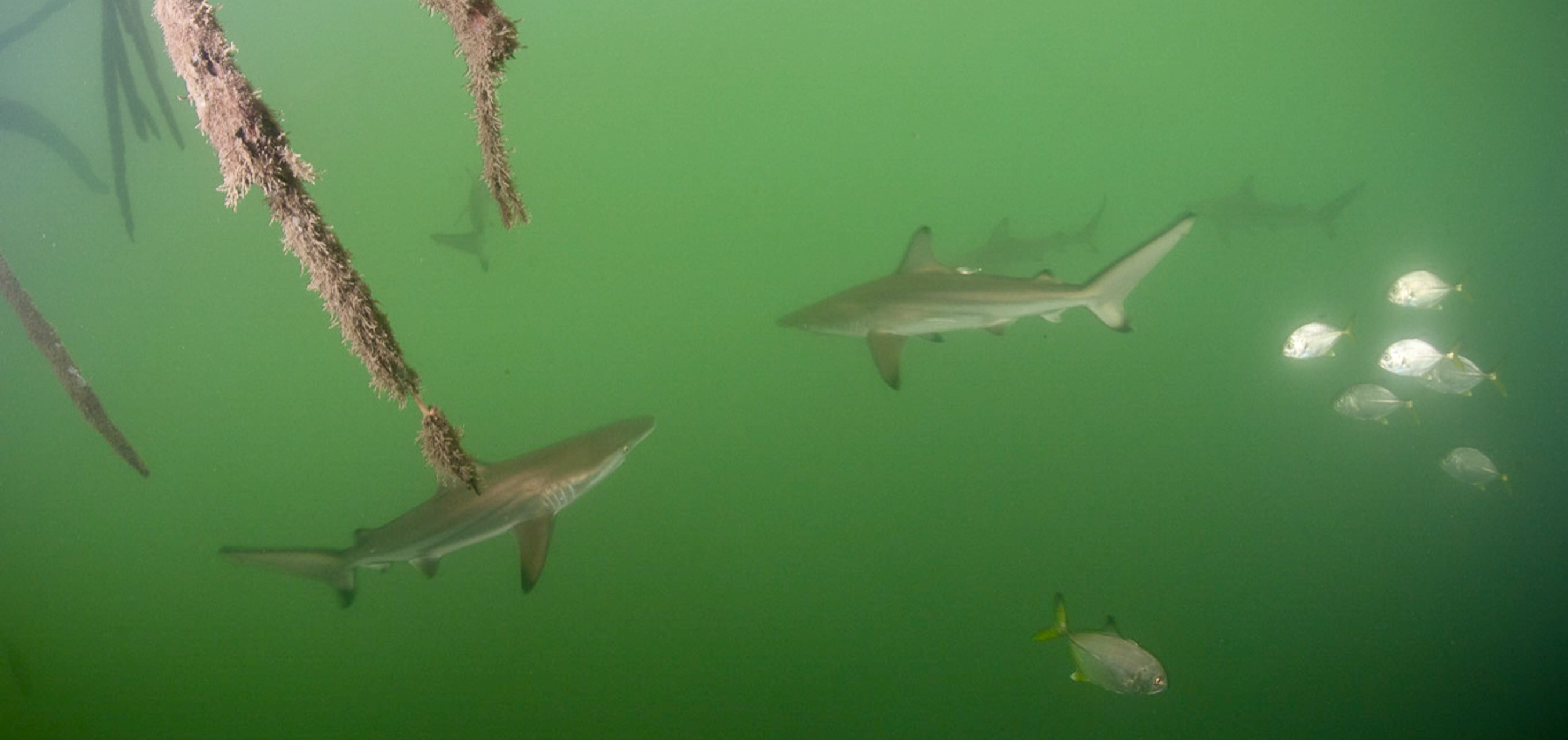
Tracing these responses will improve understanding of the biological effects of plastic pollution, an aspect that remains underrepresented in conventional pollution assessments. Rather than waiting for pollution to cause observable damage, identifying these early biological responses could help pinpoint areas where plastic pollution is having the greatest biological impacts and inform targeted monitoring and management efforts. Information on these biomarkers will support pollution monitoring, help inform decisions on strategic fisheries management, and contribute to interactive management dashboards to prioritize restoration and conservation actions.
To ensure the success of these initiatives, stakeholder engagement is essential throughout the project. Ortiz Pachar will collaborate with government agencies, fishing cooperatives, tourism operators, and park managers to co-design the research, interpret data, and develop protocols. These partnerships will ensure that operational protocols, training materials, and decision-support tools are bilingual and tailored to different stakeholder groups, maximizing their usability and impact.
Informed by this project, policymakers will be able to identify which mangrove populations to protect to maintain genetic diversity, evaluate habitats that support commercially important species, and develop guidelines for designating areas where fishing and harvesting may need to be restricted.
By bringing together perspectives on livelihoods, conservation goals, and public interests that all depend upon healthy mangrove ecosystems, the project’s One Health approach addresses the interconnectedness of human, animal, and environmental health. It aims to bridge genomic research and conservation practice to protect mangrove trees while advancing climate resilience, safeguarding ecosystem services, and addressing broader environmental health challenges.
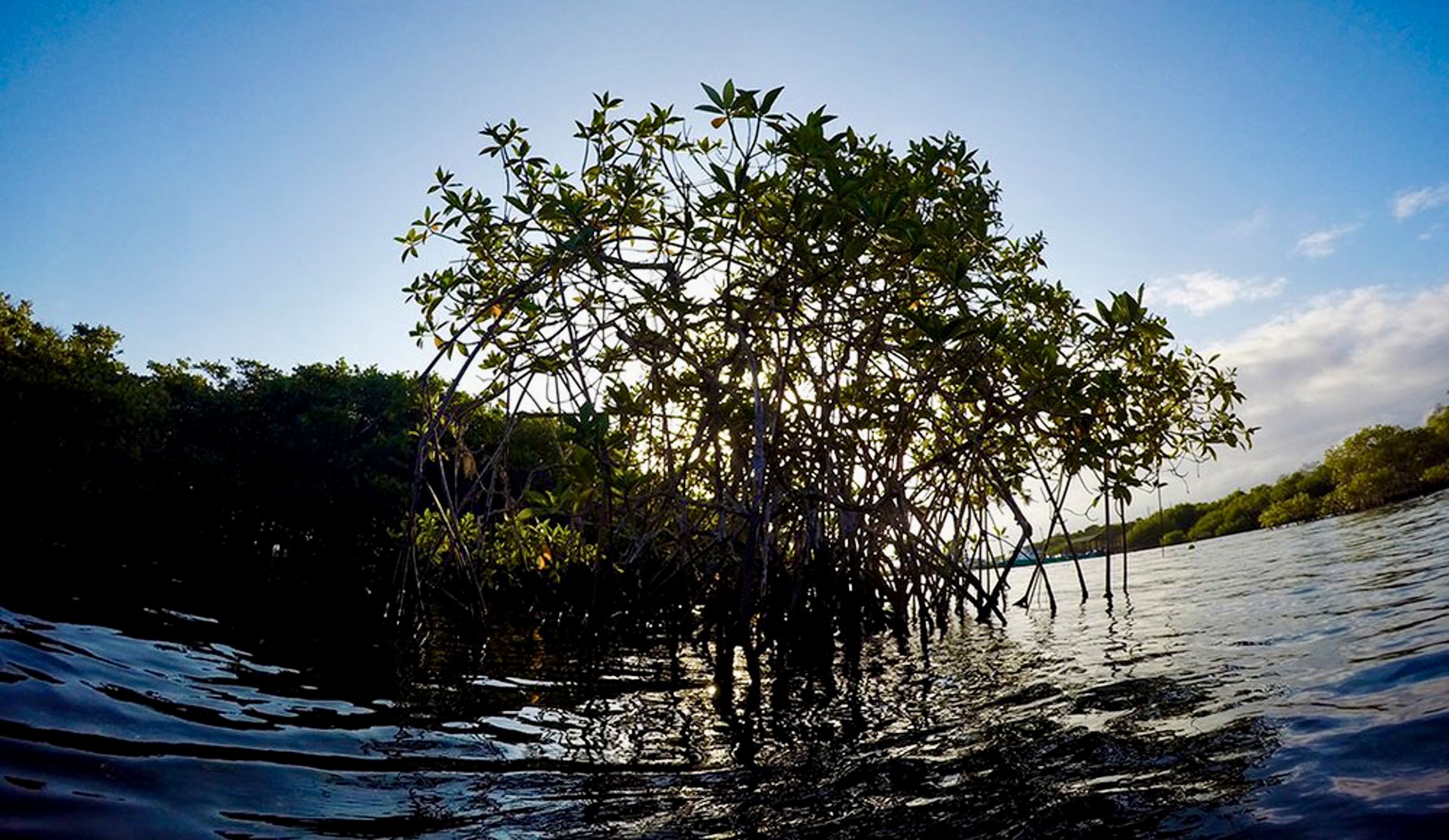
Ortiz Pachar’s unique background in both population genomics research and policy development makes him particularly well suited to lead this work. He previously worked as a bioinformatics intern at Illumina, developing large-scale genomic pipelines. As a Cornell graduate student, he assembled the first genome for the endangered brown sea cucumber (Isostichopus fuscus), in collaboration with Charles Darwin Foundation’s scientists, the Galápagos National Park Directorate, and the artisanal fishing sector. Prior to earning his PhD, Ortiz Pachar gained experience connecting science to policy, having served in key leadership positions at the Charles Darwin Foundation (CDF). There, he represented the organization before Ecuador’s congress to provide advice on evidence-based reforms to the Galápagos Special Law.
Looking ahead, Ortiz Pachar views his Cornell K. Lisa Yang Postdoctoral Fellowship in Wildlife Health as a launchpad for a Galápagos Marine Genomics Consortium that could someday help shape environmental policy across the Eastern Tropical Pacific and beyond.
“By addressing critical data gaps while building sustainable institutional capacity, I will document a pathway and establish a professional network essential for achieving my long-term goal of generating continuous One Health impact, thereby safeguarding ecosystems and human communities worldwide.”
"Jaime’s vision represents exactly the kind of boundary-crossing science the Yang Postdoctoral Fellowship in Wildlife Health seeks to cultivate."
Ortiz Pachar will be mentored by Dr. Nina Overgaard Therkildsen, associate professor in the Natural Resources and the Environment Section (College of Agriculture and Life Sciences); Dr. Erik Enbody, Susan E. Lynch Assistant Professor in the Department of Computational Biology (College of Agriculture and Life Sciences); and Nicolas Moity, principal investigator at the Charles Darwin Foundation, where he leads the Mangrove Ecology & Climate Change program and its long-term mangrove research. Moity was also lead author of the 2024 IUCN Red List of Ecosystems assessment of Galápagos mangroves.
“Jaime’s vision—to transform mangrove conservation from reactive protection to proactive, genomically informed resilience-building—represents exactly the kind of boundary-crossing science the K. Lisa Yang Postdoctoral Fellowship in Wildlife Health seeks to cultivate,” said Dr. Overgaard Therkildsen.
Written by Caroline Stamm ‘24